Leather Care
How to Condition Leather: A Simple 5-Step Guide
Learn how to condition leather in five simple steps, how often to do it, and the mistakes that can leave it soft, dark or sticky.
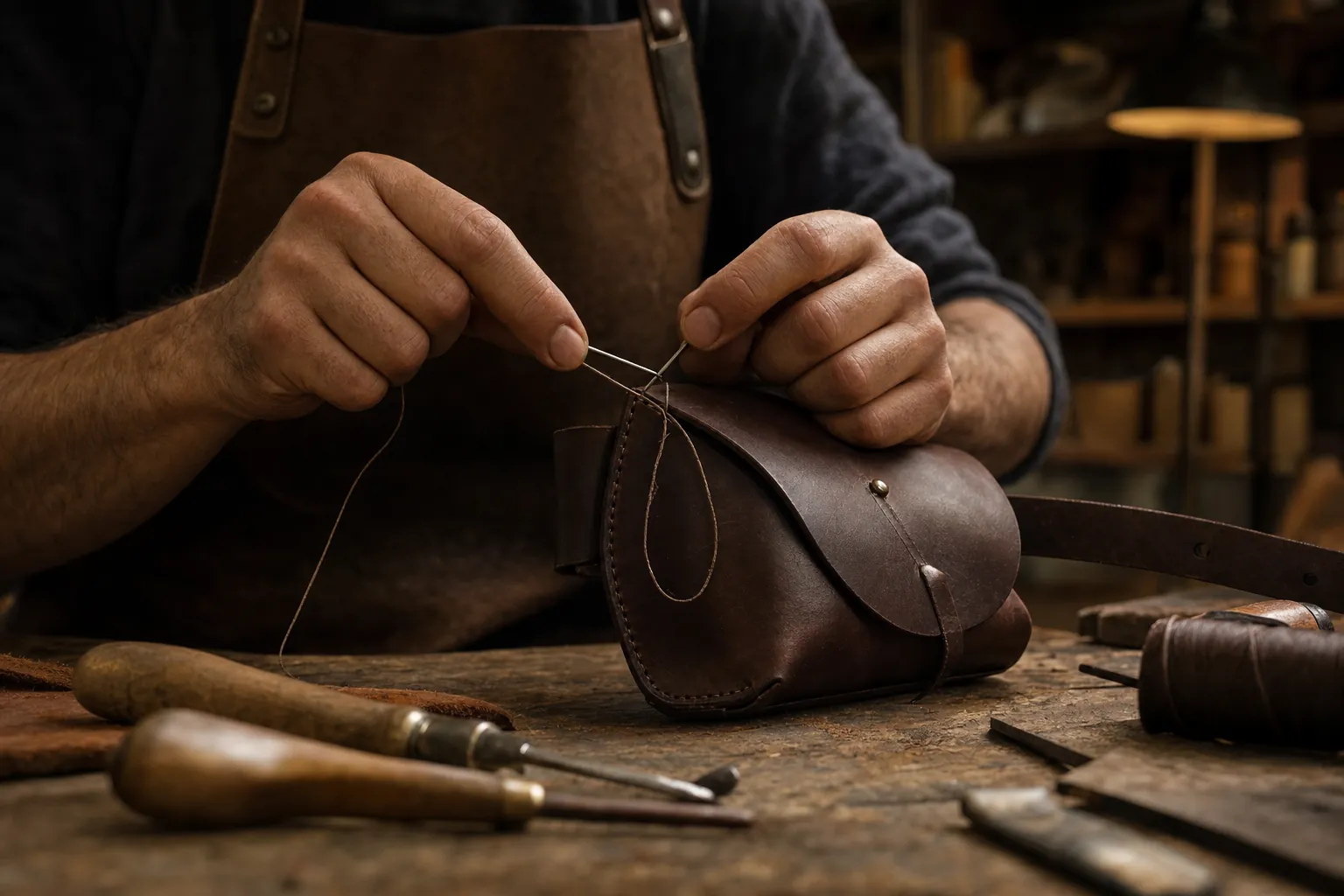
Leather does not need a shelf full of products or a ritual every other week. It needs a little attention before it gets dry enough to complain. The best routine is simple: remove the grit, use a conditioner that suits the finish, apply less than you think you need, and give the piece time to tell you whether it wants more.
That restraint matters most with the things you handle every day. A wallet bends in the same place hundreds of times. A belt pouch sees heat, sweat and trail dust. A journal cover rests under your palm while you write. Each piece wears differently, so the calendar is only a starting point. This guide is for smooth, finished full-grain and top-grain leather goods. Suede, nubuck, patent leather and heavily coated upholstery need their own care method.
What conditioning actually does
Conditioner helps keep leather feeling flexible and comfortable in the hand. At the tannery, leather is softened with oils and other agents as part of its finishing process. Everyday use, sun, dry indoor air, repeated flexing and surface cleaning can leave a piece looking dull or feeling stiffer over time. A light conditioner can refresh that feel without trying to make old leather look brand new.
It is not a repair product. Conditioner will not close a cut, erase deep scratches or reverse leather that has already cracked. It can, however, keep a good piece from reaching that stage as quickly. The aim is to preserve the leather's character: the grain, the patina, and the small marks that make a carried piece yours.
Know when your leather is asking for care
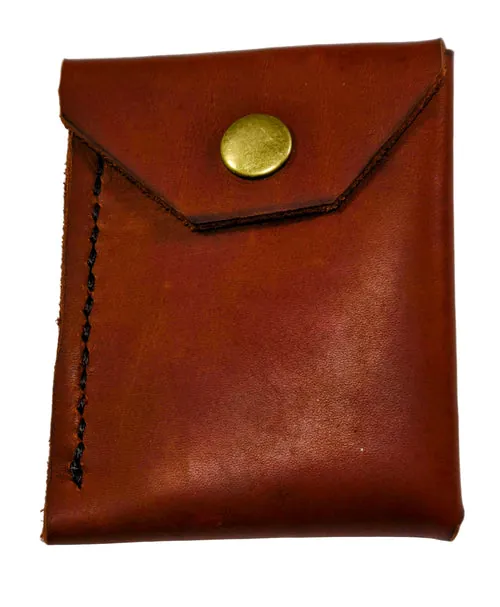
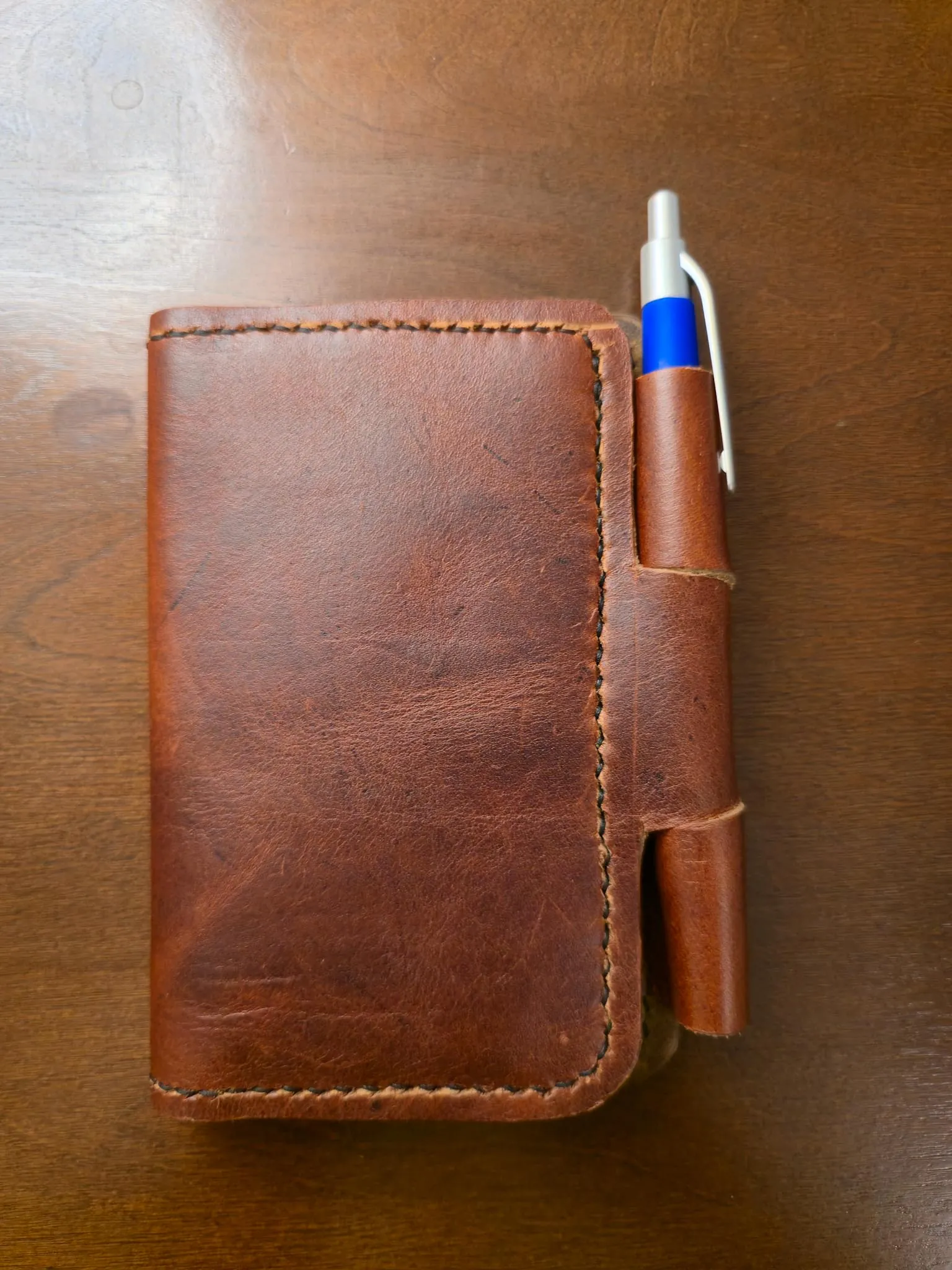
Look at the places that bend first. On a wallet, that is the center fold and card-pocket edges. On a bag, it is the handles, corners and strap folds. On a journal cover, check the spine and the flap where it wraps around the notebook. When those areas begin to look matte, feel papery or resist an easy bend, the piece may be ready for a light treatment.
Do not confuse honest patina with dryness. Darkened contact points, softened edges and small scuffs are often part of a well-used full-grain leather piece. Conditioning is for stiffness, thirsty-looking surface grain and a loss of comfortable flex, not for removing every sign of a life well carried.
Choose the right kind of conditioner
Use a product made for the specific kind of leather in front of you. A cream or balanced conditioner is a sensible choice for many smooth-finish wallets, journal covers and everyday bags because it is easy to apply in a thin coat. Waxes are more useful when weather resistance is the priority, but they can change the hand and surface look. Oils can soften leather more aggressively and may darken it, which makes them a poor first move for structured covers, cases and crisp-looking accessories. A good practical comparison of creams, oils and waxes is this leather-conditioning guide.
Before buying anything, read the label for the finish it supports. Avoid reaching for household cleaners, silicone sprays, strong solvents or a kitchen-oil experiment. A product that works on work boots can leave a journal cover dark, overly soft or uneven. The same goes for all-in-one shortcuts: a cleaner and conditioner may be convenient, but dirtier pieces still benefit from being cleaned and allowed to dry before conditioning.
A small test is not cautious for the sake of it; it is how you keep the surprise on the hidden side. Apply a small amount beneath a flap, under a strap or on another concealed area, then leave it long enough to see the true color change. Natural leather can deepen in tone, and that change is often permanent.
How to condition leather: a five-step routine
- Empty the piece and brush away loose grit. Take cards out of a wallet, remove notebooks from a cover and open pockets so you can reach the folds. Use a soft, dry cloth or a soft brush to remove dust. Grit is what turns a quick wipe into unnecessary abrasion.
- Clean only as much as the leather needs. For light surface dust, a barely damp cloth is enough. For stubborn grime, use a leather-specific cleaner according to its instructions. Do not soak the leather or scrub hard at a spot.
- Let it dry completely at room temperature. Skip the hair dryer, radiator and direct sun. Heat can cause uneven drying and stiffness. Put the piece somewhere with normal airflow and patience.
- Apply a thin, even coat. Put a small amount of conditioner on a clean, lint-free cloth rather than directly on the leather. Work it in with light, overlapping strokes. Start with less than you think you need; you can always add a second light pass.
- Let it settle, then buff away excess. Give the product time to absorb according to its directions. If the surface still feels slick, wipe gently with a clean cloth. The finish should feel comfortable and dry to the touch, not waxy.
How often should you condition leather?
Six to twelve months is a reasonable inspection rhythm, not a hard deadline. A piece carried daily in Texas heat may need attention sooner than a desk-bound cover that stays away from sun and moisture. Use, climate and finish matter more than a universal schedule. Long-term care guidance from the Canadian Conservation Institute also points to avoiding extremes of dryness, humidity and heat.
Over-conditioning is a real problem. Too much product can leave a surface sticky, attract dust, soften a structured edge or make a light-colored piece darker than you intended. If you are not sure whether the leather needs anything, clean it first and revisit it in a week. Freshly cleaned leather often looks better before any conditioner is needed.
Common mistakes that shorten the life of good leather
- Conditioning over dirt: surface grit can be rubbed into the grain instead of lifted away.
- Using too much product: heavy coats do not create extra protection; they leave residue and change the hand of the leather.
- Skipping the test spot: color change is most noticeable on natural, light and aniline-style leather.
- Drying with high heat: fast heat is hard on leather and can leave it feeling tighter after the moisture evaporates.
- Treating every finish alike: suede, nubuck, patent and coated leathers are not candidates for a standard smooth-leather conditioner.
Match the care to the way you carry it
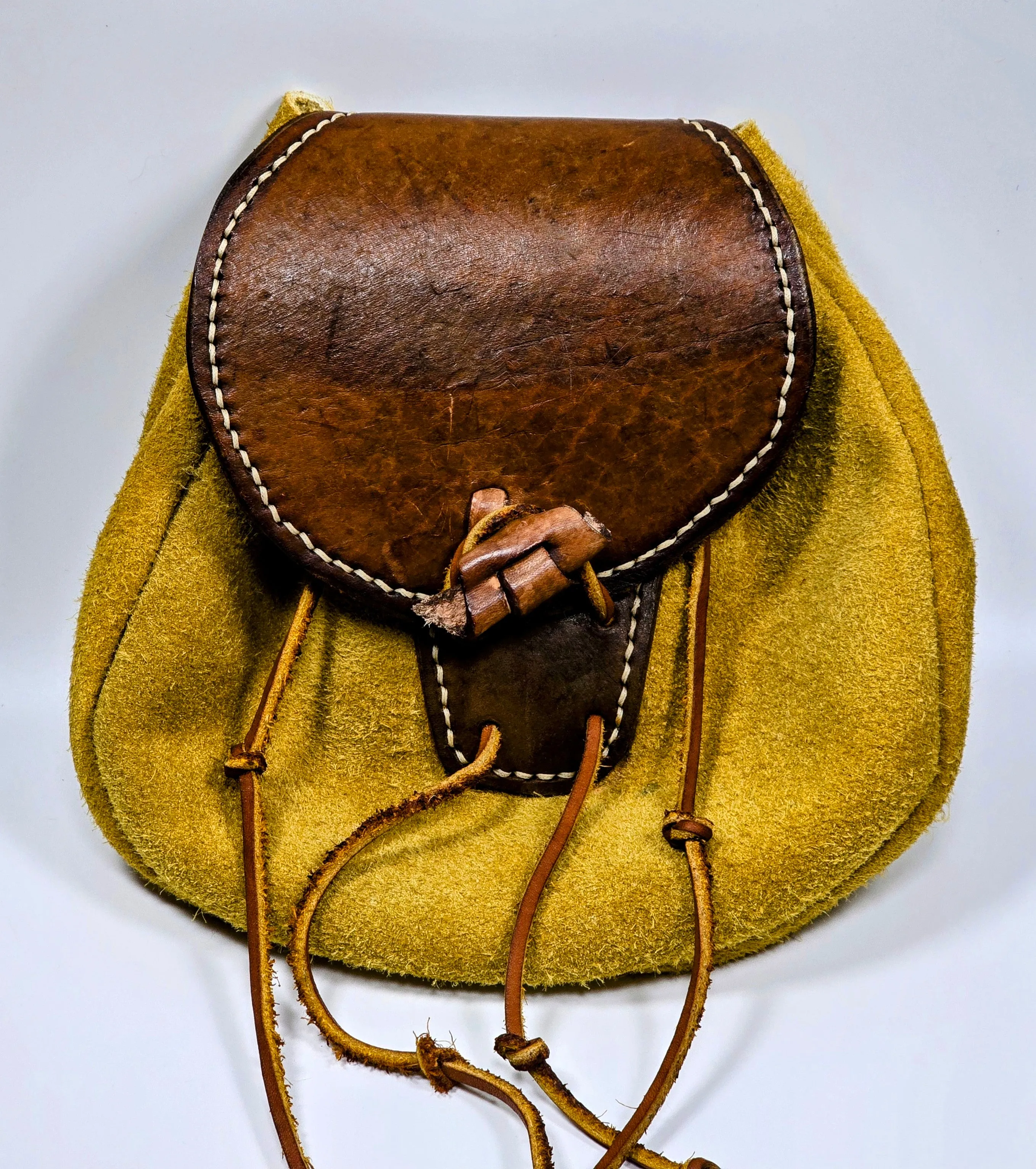
Different pieces ask for different attention. A compact wallet lives in a pocket where it absorbs pressure, body heat and repeated bending. Keep the application especially light around card slots and folds so it does not become soft or bulky. A journal cover usually sees less moisture but more desk time, so dust removal and a thin occasional coat are often enough. With a bag or belt pouch, inspect the strap, closure and corners as well as the broad panels. Those high-contact areas collect the most dirt and show dryness first.
Structured leather deserves a conservative approach. The crisp edge of a padfolio, pouch or case is part of what makes it useful. Heavy oils may create a richer color, but they can also relax that structure. Apply product to the cloth, work a small section at a time, and stop before the leather looks wet. A soft sheen is enough. If a piece has contrast stitching, embossed details, painted edges or metal hardware, keep excess conditioner from pooling in those areas.
Weather changes the routine too. After a rainy day, empty the piece, blot off surface moisture and let it dry naturally before deciding whether it needs conditioner. Do not try to rescue damp leather with a thick coat of balm. After a dusty trail, a brush and dry cloth are more useful than more product. When the item is kept in a hot car, near a sunny window or in very dry air, check it more often instead of automatically treating it more often.
Stains, scratches and problems conditioner cannot solve
Conditioner is maintenance, not magic. A new scuff often improves after a gentle cleaning and a light buff because the surface oils are redistributed. Deep scratches, cuts, cracked finish, loose stitches and damaged hardware are different problems. Rubbing in more conditioner can make the damage harder to assess or leave a darker patch around it.
For a fresh spill, blot instead of rubbing. For ink, dye transfer, mold, heavy staining or a piece that has become stiff after getting soaked, pause before trying a household remedy. Test any cleaner in a hidden place and consider a leather-care professional if the item matters to you. Historic, fragile or powdery leather needs conservation advice rather than a home treatment. The goal is to avoid turning a small repair into a permanent change in color or texture.
Build a small care kit you will actually use
You do not need a complicated bench setup. Keep one soft lint-free cloth for cleaning, a second clean cloth for conditioner, a small soft brush for seams and folds, and a conditioner that is right for your usual smooth leather goods. That is enough for most routine care. Label the cloths or store them together so you do not wipe a dark wax from an old boot project onto a light journal cover.
Good habits are more valuable than a larger collection of products. Empty a pouch before brushing it out. Give a wallet a quick look when you rotate cards. Wipe dust off a cover before it sits on a shelf for a season. Those tiny checks mean you notice dryness early and can use a minimal amount of conditioner. The leather keeps its character, and you avoid the frustration of trying to correct an over-treated finish.
A note from the bench
The best care routine supports the way you actually use a piece. A handmade wallet should still feel slim after care. A pouch should keep its useful shape. A journal cover should still protect the notebook inside without feeling greasy or soft at the corners. That is why the lightest effective application is usually the right one. For antique or crumbling leather-bound books, do not treat this guide as preservation advice; the Library of Congress recommends against oiling or dressing fragile historic bindings.
For pieces meant to stay close for years, start with good material and make room for ordinary maintenance. The wallets and card holders, journal covers and padfolios, and pouches and bags from The Kilted Leatherworker are made for everyday use, with the kind of honest wear that rewards a simple care habit.
Frequently asked questions
How often should you condition leather?
For most full-grain leather goods, start by checking them every six to twelve months. A wallet used daily, a belt pouch worn outdoors or a bag exposed to heat may need attention sooner. A journal cover that stays indoors may need very little. Look for dullness, stiffness and dry-looking flex points rather than conditioning by the calendar alone.
Can you condition leather too often?
Yes. Too much product can leave leather soft, dark, sticky or prone to collecting dust. Use a thin coat, let it absorb and stop when the leather feels comfortable again. Conditioning should be a response to the piece's condition, not a habit performed every month.
Should you clean leather before conditioning it?
Yes. Brush away loose grit and wipe the leather with a clean cloth before conditioning. If a deeper cleaner is needed, follow its directions and let the leather dry fully before applying conditioner. Conditioning over dirt can work residue into the surface.
Can I use conditioner on suede, nubuck or patent leather?
Not with the same routine. Suede and nubuck need products made for their raised finish, and patent leather has a sealed surface that should not be treated like full-grain leather. Check the maker's care advice or test a hidden spot before using any conditioner on a specialty finish.