

Hi, I’m Eric. If you’ve spent much time browsing my shop or following my journey, you’ve probably noticed that I have a deep-seated love for two things: tradition and adventure. There is something about the weight of a well-made piece of gear that just makes you want to get outside and explore. Whether you’re walking the highlands of Scotland or just hiking through your local state park, having your essentials within arm's reach is a game-changer.
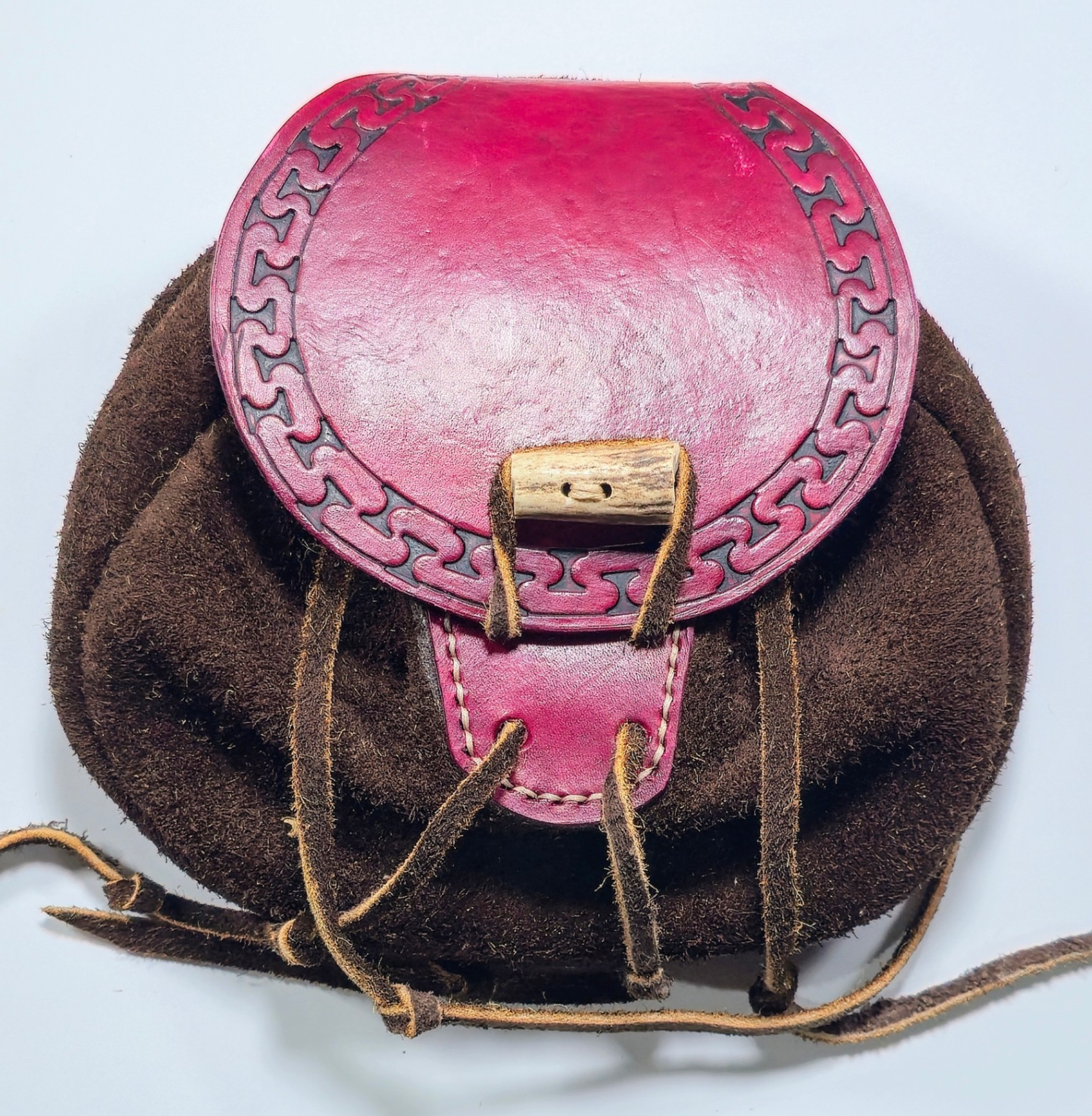
That’s where the sporran, or as I often call it, the Buffalo Belt Pouch, comes into play.
I remember when I first started leatherworking. Little did I know that this ancient Scottish accessory would become one of my favorite things to craft. It’s not just a bag; it’s a piece of history that’s surprisingly practical for the modern world. If you've ever wondered why someone would choose a pouch over a pocket or how to take care of one so it lasts a lifetime, you’re in the right place. Grab a cold soda, settle in, and let’s dive into Sporran 101.
What Exactly is a Sporran?
The word "sporran" is actually Gaelic for "purse." Traditionally, it’s a pouch worn on the front of a kilt. Why? Because traditional kilts don’t have pockets. If you’re a Highlander in the 17th century, you still need a place to keep your fire-starter, some coins, or maybe a bit of oats for the road.

Centuries ago, these were simple drawstring bags made from whatever hide was available, often deer or calfskin. Over time, they evolved into the more decorative versions you see today at Highland Games or weddings. But at their core, they remain a functional tool for someone on the move. I love that continuity. When I’m in the workshop, I feel like I’m part of a long line of makers ensuring that every stitch is perfect for the person who will eventually carry it on their own journey.
My Take on a Classic: The Buffalo Belt Pouch
When I set out to design my version of the sporran, I wanted to lean into that "adventure-ready" philosophy. I call it the Buffalo Belt Pouch because I use genuine buffalo hide for many of them. There’s something special about buffalo leather, it’s rugged, has a beautiful natural grain, and it’s incredibly durable.
I’m a big believer in using honest materials. In a world full of "fast fashion" and synthetic materials that fall apart after a few months, I prefer the feel of real hide. It’s unique and made with love, one step at a time. I don't want to make something that just looks good in a photo; I want to make something you can pass down to your kids.

If you’re curious about the specific materials I use, you can check out my pouches and bags collection to see the different textures and colors I’ve been working with lately.
Why a Belt Pouch for Your Next Adventure?
You might be asking, "Eric, why would I wear a pouch on my belt when I have pockets or a backpack?"
It's a fair question. To me, it comes down to accessibility. When you’re hiking, the last thing you want to do is take off a heavy pack just to get your phone, a map, or a snack. A belt pouch keeps those high-use items right at your hip. And unlike pockets, a pouch doesn't get tight or uncomfortable when you sit down or climb over a fallen log.
I’ve written before about the belt pouch vs. purse debate, and for me, the pouch wins for adventure every time. It’s hands-free, it’s secure, and honestly, it just looks cool. There’s a certain confidence that comes with wearing gear that you know can handle the elements.

Mastering the Basics: How to Care for Your Leather
If you’re going to invest in a handmade leather sporran, you need to know how to take care of it. Think of it like a good pair of boots, if you treat it right, it will stay soft and strong for decades. Here are my top tips for keeping your Buffalo Belt Pouch in adventure-ready shape:
1. Keep it Clean
Dust and dirt are the enemies of leather. After a day out in the woods, I usually take a soft, dry cloth and just wipe mine down. You’d be surprised how much grit can accumulate in the folds. Avoid using harsh chemicals; usually, a little elbow grease and a dry cloth are all you need.
2. Conditioning is Key
Leather is skin, and it can dry out. About every two months (or more often if you live in a really dry climate), you’ll want to apply a quality leather conditioner. This keeps the material flexible and prevents it from cracking. It's a meditative process for me, rubbing the conditioner in and seeing the leather come back to life is almost as satisfying as the first sip of a cold root beer on a Saturday afternoon.
3. Manage the Moisture
Rain happens, especially if you’re out on an adventure. If your pouch gets wet, don’t panic. Blot it gently with a soft cloth and let it dry naturally at room temperature. Whatever you do, never put it near a heater or in direct sunlight to dry faster. That’s a one-way ticket to brittle leather.
4. Storage Matters
When you aren’t using your sporran, store it in a cool, dry place. I recommend using a breathable fabric bag if you have one. Avoid plastic bags because they trap moisture, and nobody wants a moldy sporran. Also, try to keep it stuffed lightly with paper to help it maintain its shape.
Common Mistakes to Avoid
I’ve seen a lot of folks make mistakes with their handmade goods, and I’ve probably made a few myself early on! As you may have guessed, the biggest mistake is simply ignoring it. If you see a small scratch or the leather starts to look dull, address it then rather than waiting for it to get worse.
Another common slip-up is over-cleaning. You don't need to scrub it every day. Leather develops a "patina" over time, a unique sheen and character that comes from use. I love seeing how my pouches change as they go on more trips. Each scuff is a story. If you want to dive deeper into this, I have a post on 7 mistakes you're making with handmade leather goods that might save you some heartache.
Versatility: It’s Not Just for Kilts
While the sporran has Scottish roots, the Buffalo Belt Pouch is for everyone. I’ve seen customers wear them with jeans, tactical pants, and even over dresses as a unique statement piece. It’s a hybrid tool that fits into a rustic, outdoorsy lifestyle perfectly.
Whether you're using it to hold your minimalist wallet or a small journal cover for sketching on the trail, the utility is endless. I personally love wearing mine on a tooled leather belt, it just feels right.

Final Thoughts
There is something about the "click" of a leather toggle or the snap of a brass clasp that feels so much more permanent than a zipper. To me, that’s what The Kilted Leatherworker LLC is all about, creating items that feel substantial and meaningful.
Starting this business was a leap of faith, but I enjoy every moment of it. From choosing the right hide to ensuring that every stitch is perfect, I take pride in making gear that accompanies you on your biggest adventures.
If you’re ready to add a piece of traditional craftsmanship to your kit, I invite you to take a look at our latest arrivals. And if you ever have questions about which pouch is right for you, or just want to talk shop, please feel free to reach out to me directly.
Thank you so much for taking the time to read this and for supporting a small, handmade business. It means the world to me. Now, get out there and start your next adventure!
Warmly,
Eric Founder and Owner, The Kilted Leatherworker LLC