From the bench · July 2026
5 Steps to Build a Daily Journaling Habit
Five small, forgiving ways to make a journal part of everyday life—and keep returning to it.
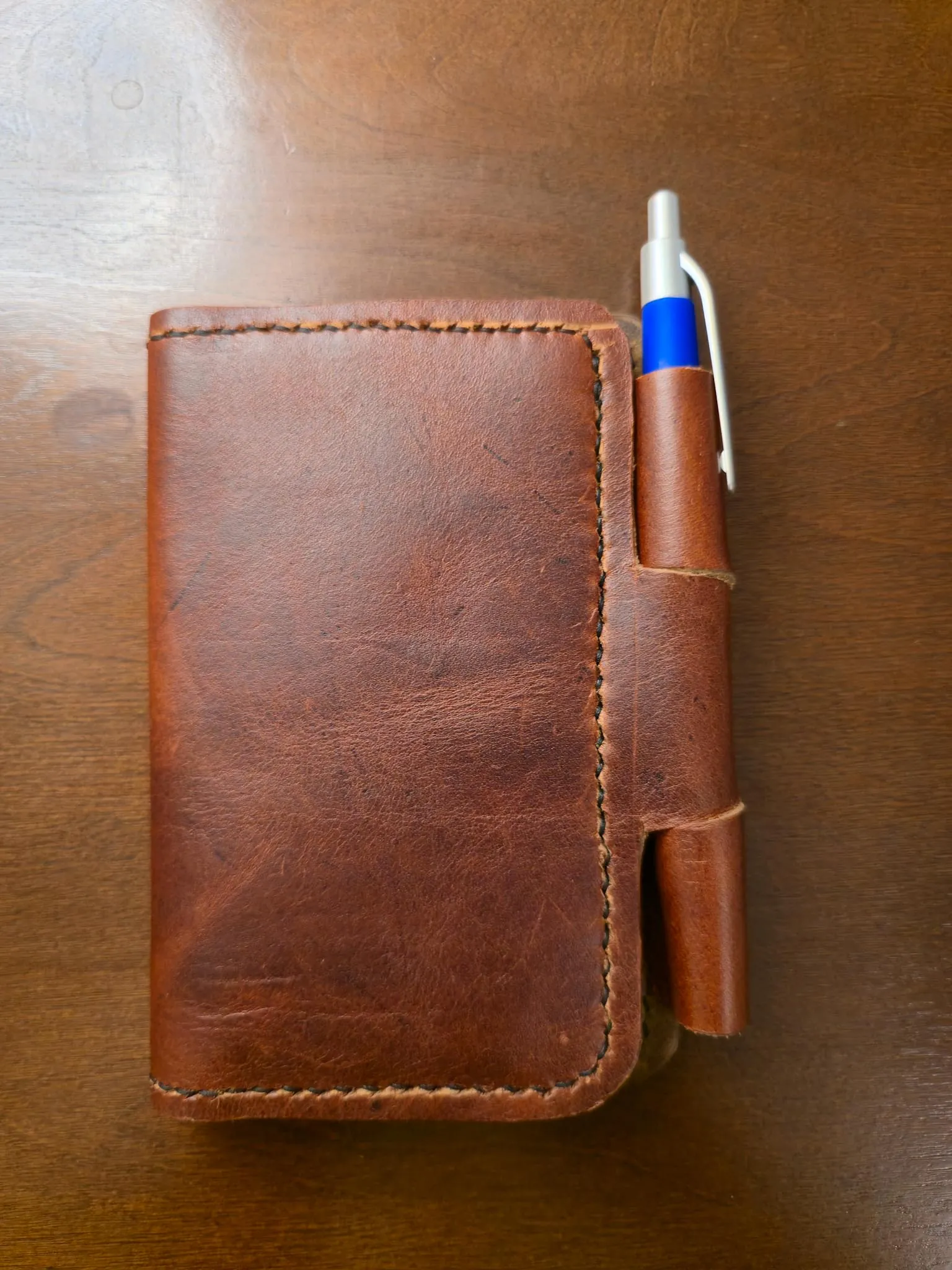
A half-filled journal is not evidence that you failed. It is evidence that life got busy, the pressure got too high or the ritual never found a place in the day. A useful journaling habit does not need perfect handwriting, three full pages or an unbroken streak. It only needs a small invitation to return.
1. Find your reason
Start by deciding what the journal is for right now. It can be a private place to vent after work, a way to remember ordinary days, a record of goals or a creative scratchpad. A clear reason takes away the pressure to write something impressive. You are not performing; you are making room for the thoughts that need somewhere to land.
2. Make the ritual enjoyable
Writing by hand changes the pace. The pen moves more slowly, the page stays put and there is no notification waiting to interrupt. Pair that quiet moment with something you already enjoy: a favorite pen, a cool drink, a familiar chair or a few minutes before the house gets noisy.
Good tools help because they make the habit feel worth showing up for. The deep burgundy Chronicler’s Cover gives a standard A5 notebook a satisfying, durable home. The leather softens and gains character as the entries add up, which makes the practice feel less disposable and more personal.
3. Attach it to something you already do
Instead of hunting for a perfect hour, borrow a moment that already belongs to you. After an afternoon soda, after brushing your teeth or while the coffee brews, open the journal and write three bullet points. The point is not to create a grand ceremony. It is to give the habit a reliable doorway.
Keep the journal visible and easy to reach. A notebook hidden in a drawer asks you to remember it. A cover waiting on the desk, bedside table or in your everyday carry makes the next entry feel like the obvious next move.
4. Keep the first promise tiny
Two minutes is enough. Write what you ate for lunch, what made you laugh or the one thing you want tomorrow to hold. On a good day, two minutes may become more. On a hard day, you still kept the promise.
Consistency grows from the act of opening the book, not from the number of pages you fill. Small entries make the blank page less intimidating and give the habit a chance to become familiar before it becomes ambitious.
5. Leave room for imperfect days
Missed entries happen. Uneven handwriting happens. A page that feels awkward happens. Let it. A journal is a record of a real life, not a display piece. The best rule is simple: do not worry about missing once; just try not to miss twice.
Leather understands this kind of patience. A well-used cover picks up small scuffs and soft edges, then grows more beautiful because it has been carried. A journaling habit does the same. Its character is built in the return.
Frequently asked questions
How long should I journal each day?
Start with two minutes or three bullet points. A small routine you can repeat is more useful than an ambitious routine you avoid.
What should I write if I do not know where to start?
Write about one thing you noticed, one thing you felt and one thing you want to remember. Ordinary details are often the most rewarding ones to revisit later.
What notebook works with The Chronicler’s Cover?
The Chronicler’s Cover fits a standard A5 notebook, so you can replace a full notebook and keep the same leather cover as your habit continues.