Leather Style
The Ultimate Guide to Leather Sporrans
What a leather sporran is, how to wear one with or without a kilt, and why this heritage carry piece still works beautifully today.
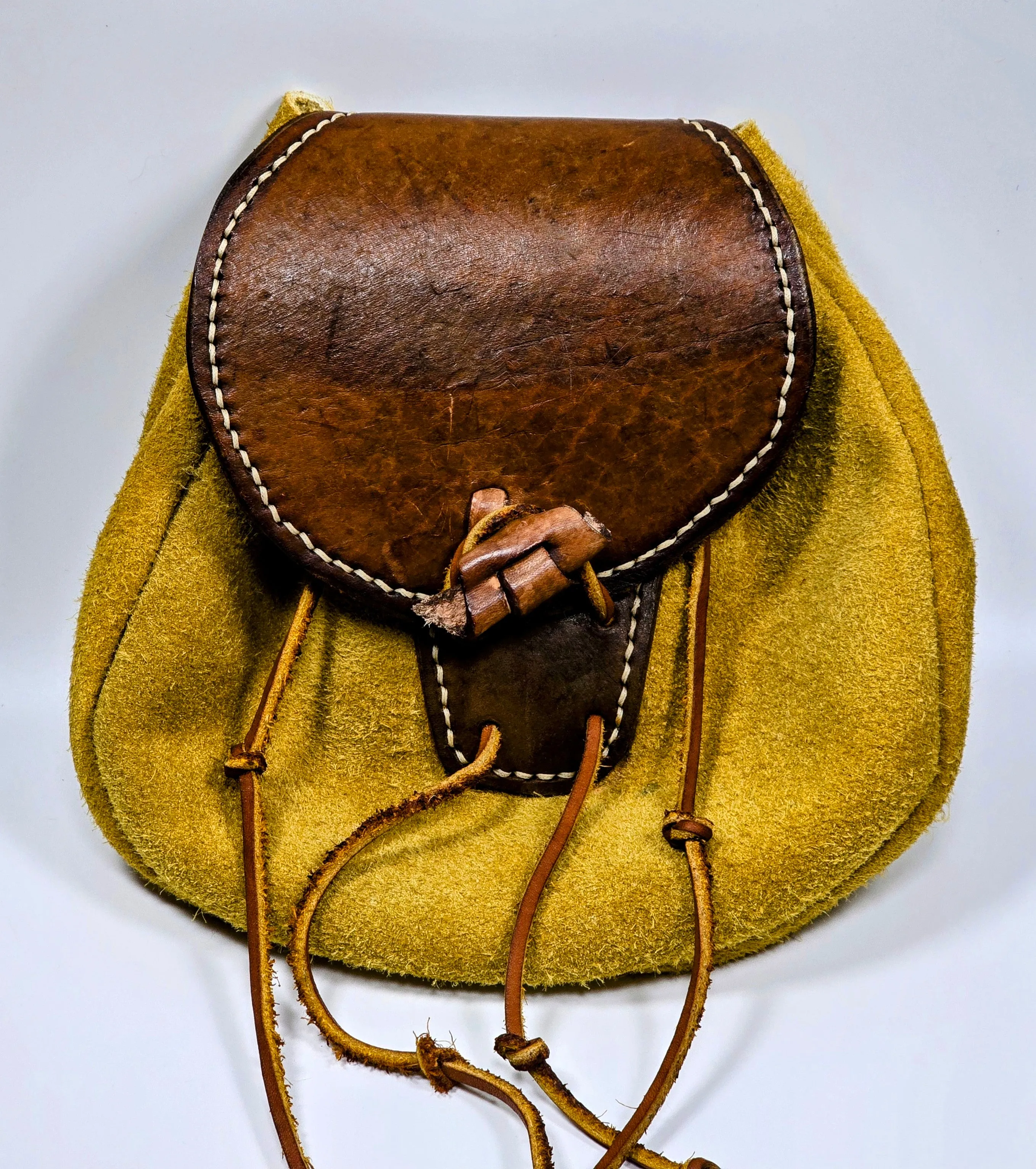
Hi there, I’m Penny. If you have spent any time browsing the shop here at The Kilted Leatherworker, you have probably noticed that we have a bit of a thing for pouches. Not just any pouches, though. We mean the kind of gear that feels like it has a story to tell before you even buckle it on.
I have always been fascinated by the way we carry our essentials. There is something about packing a bag or pouch for a day out that just feels right. Lately, I have been getting more questions about one specific item: the leather sporran. Do you have to wear a kilt? Is it basically a fanny pack? The answer is no, and it is much more interesting than that.
A pocket before pockets existed
A sporran is a pouch worn around the waist, traditionally with Highland dress. The word comes from Scottish Gaelic for “purse,” and its job was beautifully practical: a kilt does not have conventional pockets, so small necessities needed somewhere secure to live. Glasgow Museums describes historic examples made from calf, deer and pig skin, including eighteenth-century pieces with brass clasps, and notes that these pouches held the wearer’s personal items.
That makes the sporran less of a costume accessory and more of an early answer to an everyday problem. Whether someone carried coins, food or small travel necessities, the important idea was the same one we care about now: keep the useful things close without tying up your hands. You can see those historic examples in the Glasgow Museums collection.
Over time, sporrans became more varied. Some stayed rugged and simple for day wear. Others added ornate metal tops, hair or decorative details for ceremonial occasions. The material and finish changed, but the practical purpose never really went away.
Meet the Highland Nomad
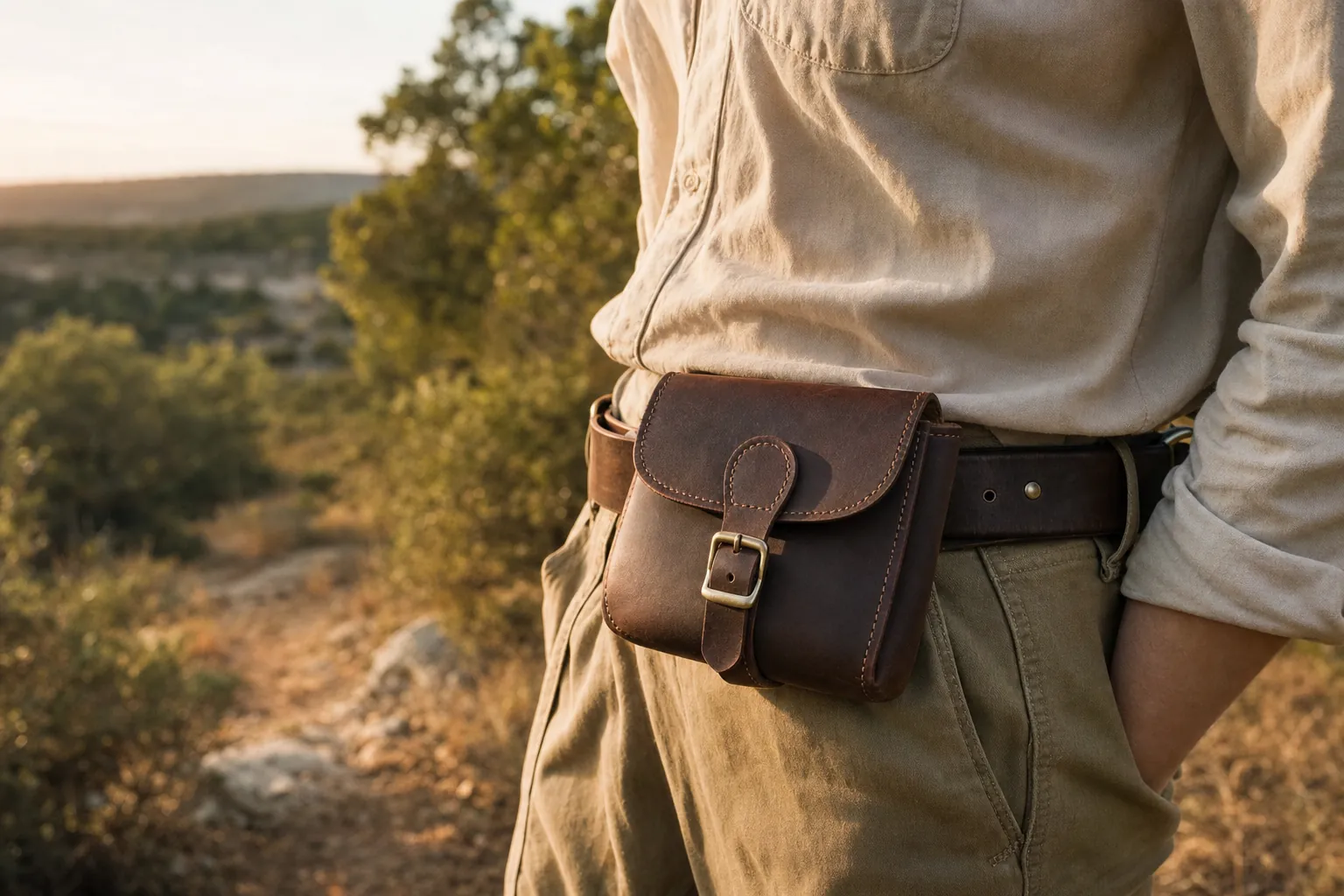
When Eric and I talk about the products we make, we always come back to honest materials. We wanted a pouch that carried some of that historical spirit but worked naturally for a modern day out. That is how The Highland Nomad, formerly our Buffalo Belt Pouch, came to be.
Buffalo leather has a character that is hard to fake. Its grain is pronounced, its feel is substantial, and it is the kind of material that earns more personality through use. The Highland Nomad is not meant to be a flimsy accessory. It is a piece of gear for the things you reach for most, made to feel solid on your belt and better in your hand after a few miles.
We make the details matter. A secure closure keeps your essentials from wandering, while a simple belt-loop design makes the pouch easy to wear with the belt you already trust. Whether you are headed to Highland Games, a local trail or a Saturday market, the goal is the same: your gear stays put and your hands stay free.
How to wear a sporran, with or without a kilt
One of the most common things I hear is, “Penny, I love the look, but I do not own a kilt. Can I still wear one?” The answer is a resounding yes. A well-made leather sporran works as a belt pouch first, and that makes it easy to make it your own.
The everyday day pouch
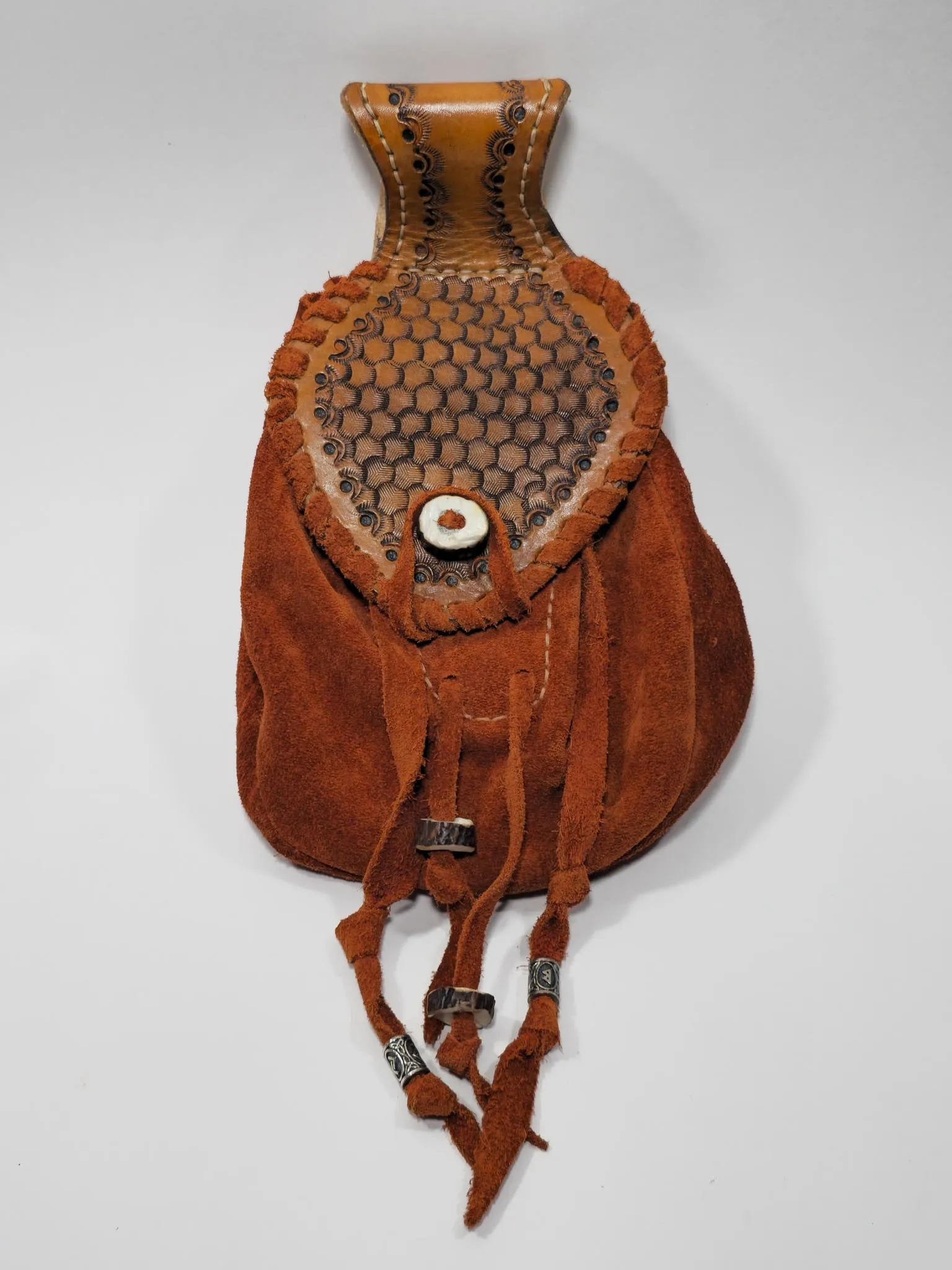
Thread your standard leather belt through the loops on the back. You can wear the pouch front and center, like a traditional sporran, or slide it over toward your hip. At the hip, it feels a bit more like a western utility pouch. It stays out of the way when you sit down while keeping the things you need within easy reach.
The traditional front-and-center fit
With Highland dress, the sporran is usually centered at the front and suspended from a dedicated strap or chain. Adjust it so it sits securely below the belt without swinging as you walk. That placement gives the balanced silhouette people associate with a kilt, and it keeps your valuables where you can naturally see them.
Test the fit before the outing
Pack the pouch with the essentials you truly carry, then walk, sit and bend at home. If it swings, digs in or makes your belt sag, the pouch is telling you something. Usually, the cure is simple: adjust the belt or remove one just-in-case item. A focused carry is always more comfortable than a pouch stuffed to the brim.
Why leather pouches beat overloaded pockets
I will admit it, I have a bit of an addiction to organisation. Nothing ruins a good mood faster than digging through deep pockets for a set of keys while your hands are full. A belt pouch brings some welcome order to the small things that tend to collect at the bottom of a pocket or larger bag.
- Better weight distribution: Moving a heavy phone or multi-tool to a belt and closer to your centre of gravity feels more balanced over a long day.
- Quick access: Your phone, cards and keys have one predictable home at waist height. No more pocket fishing when the coffee is in one hand.
- Useful protection: Thick leather gives small everyday items a tougher outer layer than a loose trouser pocket when you are walking, sitting or moving through a busy day.
- One-handed ease: A simple closure is easier to manage when you are carrying a drink, holding a map or keeping an eye on the trail ahead.
The important thing is not to treat a pouch as a miniature backpack. Keep the high-frequency essentials in the sporran and move the bulky things elsewhere. The pouch stays comfortable, and you spend less time turning every small task into a search.
Build an adventure kit around the pouch
A sporran is the star for hands-free carry, but I think of it as part of a larger system. The pouch keeps the phone, wallet, keys and other quick-reach pieces close. A larger bag handles the sweater, camera, snacks and everything else that would make a belt pouch too heavy.
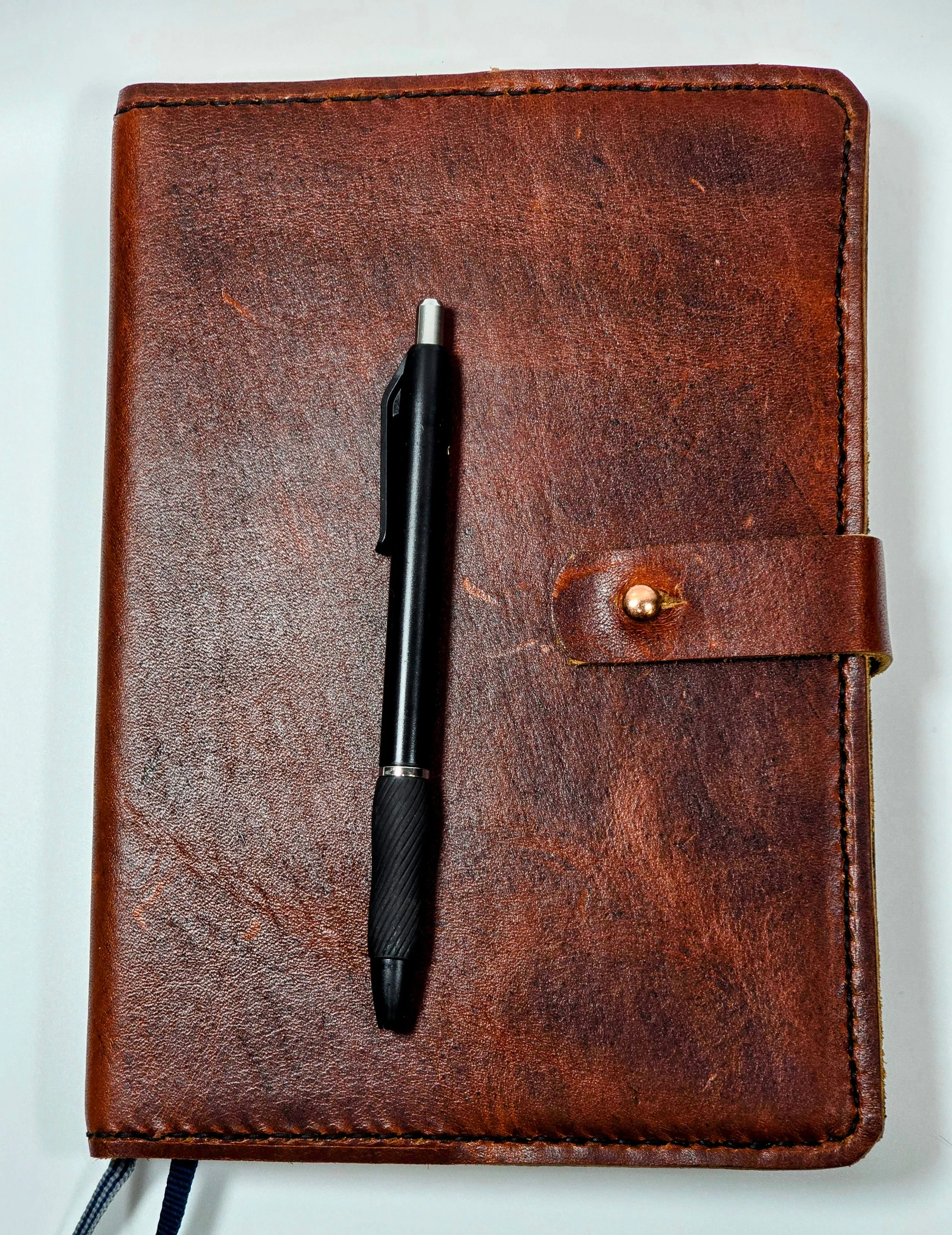
For the thinkers and dreamers, tuck The Chronicler’s Cover into your gear. There is no better feeling than pulling out a pen and writing down a thought while you are out in the world. If you are carrying more than the essentials, The Wayfarer’s Tote is a natural companion. It handles the larger load while the Nomad takes care of the pieces you need right now.
It is a system travelers have understood for a very long time. Keep the important things close, keep the heavier things organised, and do not make yourself dig for what you use most.
What belongs in a sporran?
The sweet spot is a small kit you can name without looking: a phone, wallet or card holder, keys, ID, and perhaps lip balm, a charging cable or a small notebook. If you are heading into a crowd, you might add a folded ticket or a little cash. For a short hike, a snack and a compact map may earn their place. Start with the things you reach for repeatedly, then stop before the pouch becomes heavy.
What should stay out? Water bottles, large power banks, spare clothes, bulky sunglasses cases and camera gear are all better suited to a tote or backpack. Those pieces make a pouch pull on the belt, turn the closure into a wrestling match and make sitting much less pleasant. A good carry system gives everything a home. It does not force every item into the same one.
Try arranging flatter pieces nearest your body and keeping the most-used item easiest to reach. A slim card holder takes less room than a stuffed wallet, while a key strap keeps loose metal from drifting to the bottom. Those little choices are not fussy. They are what make a pouch feel calm and useful when you are trying to get out the door.
A little care goes a long way
A leather pouch is made to see weather, movement and the occasional muddy trailhead. After a dusty day, empty it and brush the seams with a soft, dry cloth. If it catches a little rain, blot the surface and let it dry naturally away from direct heat. Do not rush it with a hair dryer or radiator, and do not try to make it look brand new after every outing.
Good leather develops patina through handling, sunlight and the marks of a useful life. A softened flap and a darker edge are often signs that the piece is becoming yours. When the leather truly feels dry rather than simply worn, a light conditioner suited to its finish can restore a comfortable feel. The aim is function, not a showroom shine.
That is part of the charm of a handmade carry piece. It does not need to stay pristine to stay beautiful. It should be the pouch you reach for when the day has real plans, the one that keeps your small essentials together while you handle the rest of the adventure. A bit of honest wear is not a failure of the material. It is proof that the piece has been doing its job.
Let a good pouch become part of your story
Whether you call it a sporran, a belt pouch or your adventure bag, this piece of gear is about freedom. It gets your essentials out of your hands and into a secure, beautiful place, so you can focus on the path ahead of you. That little bit of order makes room for the moments you went out to enjoy in the first place, whether the destination is far away or just down the road.
Every Highland Nomad is made one step at a time here in the shop. We use honest materials because we want you to have something that does not just last a season, but becomes part of your own history. If that sounds like your kind of carry, take a closer look at The Highland Nomad and see how it fits into your next outing.
Frequently asked questions
Do you have to wear a kilt to use a sporran?
No. A leather sporran works as a belt pouch, so it can be worn with jeans, trousers or outdoor clothing. Thread it onto a sturdy belt and wear it at the front or slightly to one side where it feels comfortable.
What should I carry in a leather sporran?
Keep the carry focused: phone, wallet or card holder, keys, ID, and one or two small extras you use often. It feels best when it handles essentials rather than trying to replace a backpack.
Where should a traditional sporran sit?
With a kilt, a sporran is generally centered at the front and worn below the belt. Adjust the strap so it sits securely without swinging or interfering with natural movement.
Is buffalo leather a good choice for a belt pouch?
Buffalo leather has a pronounced grain and a substantial feel that suits everyday carry. Keep it dry when possible, brush away dust, and condition it lightly only when it begins to feel genuinely dry.
Keep reading
More from the journal.
What Fits in a Leather Belt Pouch?
A practical everyday-carry guide to packing a leather belt pouch without making it bulky, awkward or hard to use.
Read the guide ↗Leather Belt Pouch vs. Crossbody Bag: Which Is Better for Travel?
Compare capacity, comfort, access and travel use to choose the hands-free bag that fits the way you actually move.
Read the guide ↗