Adventure Journaling
Composition Notebook Cover: How to Get the Fit Right
Measure a composition notebook before choosing a cover, account for real-world size differences, and avoid a fit that is too tight or too loose.
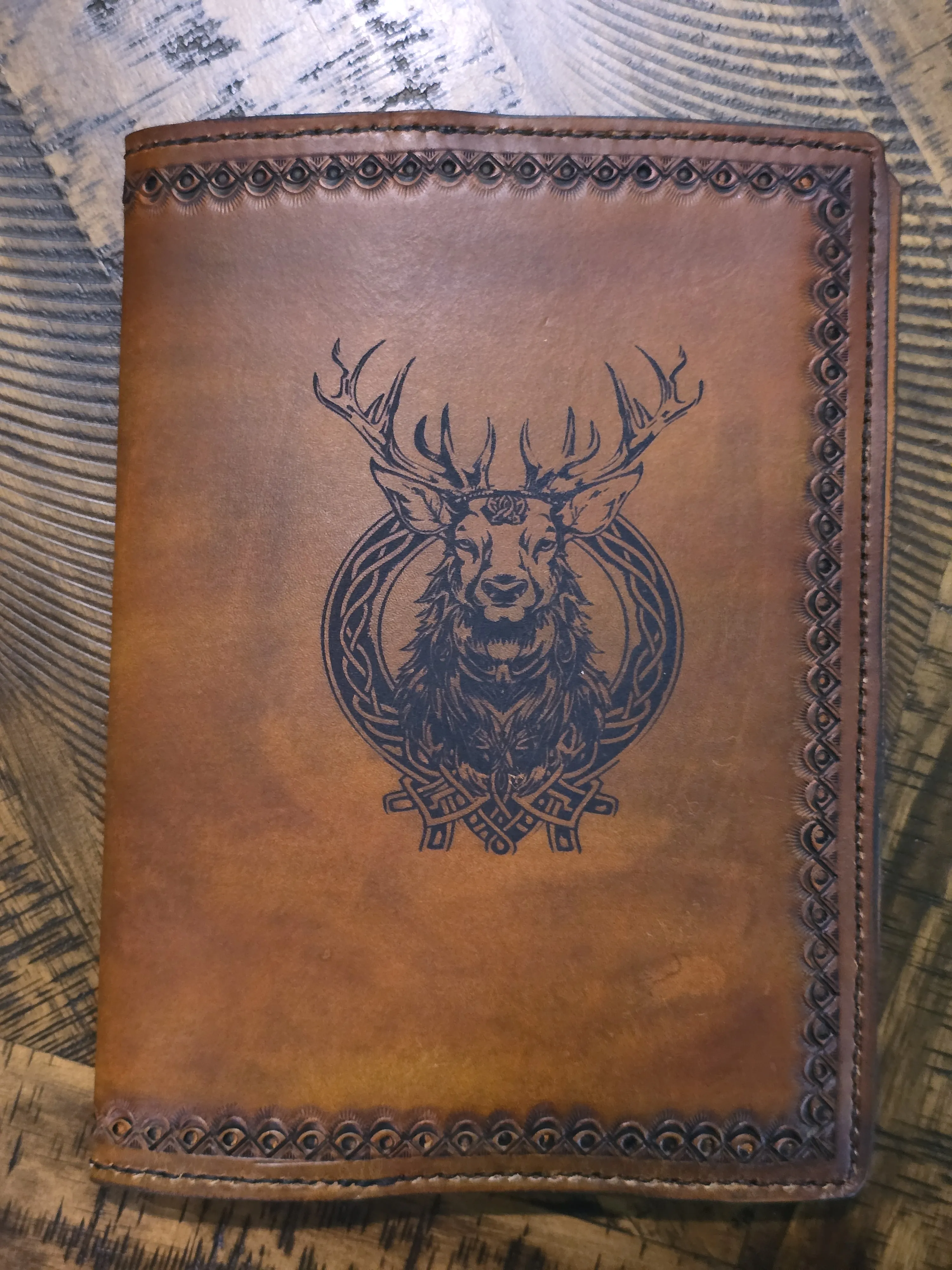
A composition notebook looks simple until you start shopping for a cover. The familiar black-and-white book may be called standard, wide ruled, college ruled, primary, sewn, recycled, soft cover or hard cover, and those details can change the outside measurements enough to matter. A leather cover does not need a mysterious sizing formula. It needs an honest comparison with the actual notebook in your hand.
That is good news for anyone who has been squinting at product photos and wondering whether close enough will work. A few careful measurements will tell you whether a cover should feel neat and secure, comfortably flexible or completely wrong for the notebook you use. The goal is simple: protect the pages, make the notebook more enjoyable to carry and keep the cover easy to open when an idea arrives.
Composition notebook is a format, not one exact outside size
Composition notebooks are usually recognized by their stitched spine and marble-pattern cover, but that description does not guarantee one exact outer measurement. Some are near the familiar 7.5 by 9.75-inch classroom format. Others run a little shorter, wider or thinner. A notebook made for a young student can have a different proportion from one made for work notes, even when both are labeled composition books.
The page count matters too. A slim book with fewer sheets may sit flat inside a cover that feels loose around a fuller notebook. A 100-sheet book has more spine depth, and a notebook that gathers receipts, drawings or pasted-in pages gets thicker as you use it. Treat the product name as a starting point, then let the finished notebook settle the sizing question.
Measure the closed notebook from the outside
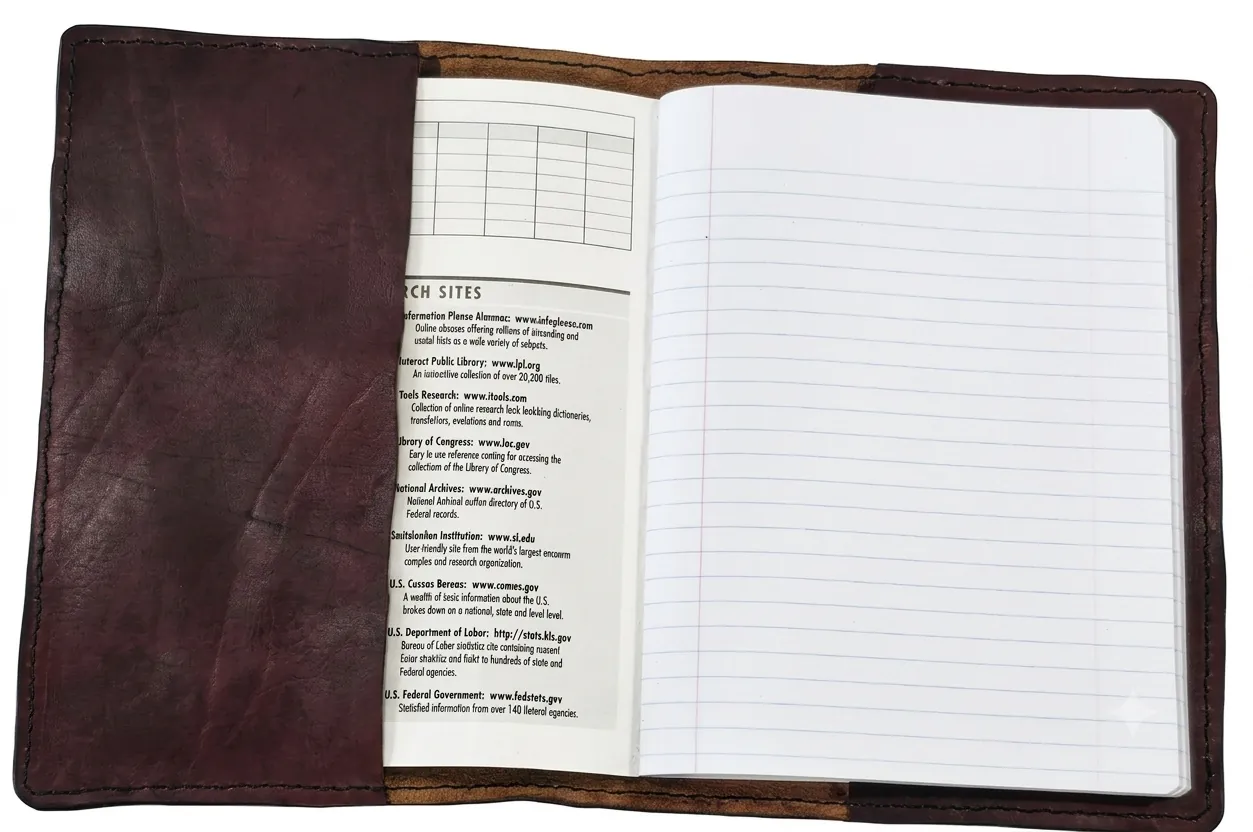
Put the notebook on a flat surface and close it naturally. Use a ruler or tape measure to record height, width and thickness. Measure the book from its outer edges, including the front and back covers. The paper inside may be a standard size, but it is the outside of the finished notebook that has to live inside the leather.
- Measure height: from the bottom outside edge to the top outside edge.
- Measure width: from the left cover edge to the right cover edge with the notebook closed.
- Measure thickness: across the spine with the notebook lying naturally, not pressed flat.
- Notice the extras: write down whether it has rounded corners, a thick cover, an elastic band, tabs, a pen loop or anything tucked inside.
Do this with the notebook you actually plan to use, not one that merely looks similar in a store listing. If you keep a few folded notes in the back or paste tickets into the pages, include those habits in the measurement. A good cover leaves enough space for ordinary use without allowing the book to slosh around inside it.
Give the spine the room it needs
Height and width are easy to notice. Spine depth is where most disappointing fits begin. A composition notebook needs to open freely so you can write near the center seam. When a cover grips the spine too tightly, the notebook can bow, page turns can feel awkward and the leather has to work harder than it should.
Think about the notebook at the end of a season, not only on the day you buy it. A travel notebook can gain maps, museum tickets and a pressed leaf. A work notebook can collect sticky notes and printed pages. A student notebook may acquire worksheets inside the cover. If you know your book will grow, leave room for that growth or choose a cover with a more forgiving structure.
There is a difference between a secure fit and a wrestling match. The cover should sit naturally when you close it, the notebook should open without being pulled at the corners, and the leather should not look or feel under tension. If any part has to be forced, it is the wrong fit.
Check the binding and cover style before you buy
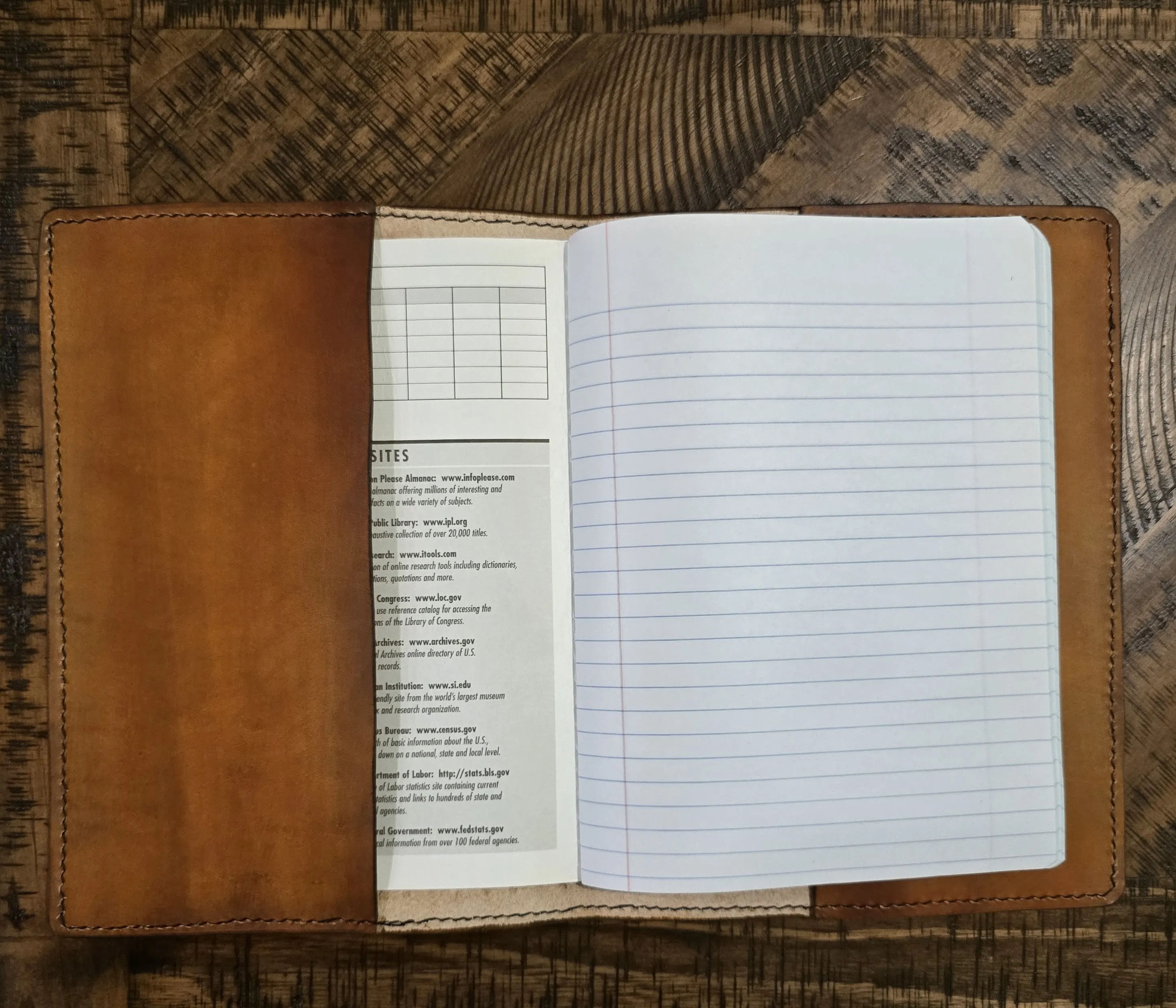
Most composition notebooks have a sewn spine, which makes them tidy and compact. That is part of why they work well with a leather cover. But even sewn books can have different cover stocks, rounded corners and edge treatments. A thick cardstock cover adds a little more width and can make a close sleeve feel tighter than expected.
Spiral-bound notebooks need extra thought because the coil takes up space and can rub a close leather edge. A cloth-bound book may have a raised spine. A notebook with an elastic closure or attached pen loop needs a little room for those pieces to sit without making the cover lopsided. These are not problems to fear. They are simply reasons to measure the book instead of relying on a label.
If you have already found a cover you like, look for its stated notebook fit and compare every number. A clear fit description is more useful than a broad phrase such as large journal or school notebook. When the description leaves you uncertain, ask the maker for the recommended interior measurements before placing the order.
Use a simple paper test when measurements are close
A paper test is useful when the numbers are close or you are buying a cover as a gift. Cut a rectangle the size of the cover's stated fit, then lay it against the notebook. This quick check makes it easier to spot a book that is taller, wider or shaped differently than you expected.
For a fuller test, wrap a sheet of paper around the closed notebook and mark where the edges meet. Open and close that paper shell a few times. It will not behave exactly like leather, but it will show whether the notebook needs more spine room or whether an elastic, pen loop or stack of inserts will cause trouble. It is a small task that saves a much larger hassle later.
This also helps when choosing between a close sleeve and a refillable cover. A fitted sleeve is satisfying when you use one specific notebook style. A cover with interior pockets gives you more flexibility when you plan to replace notebooks over time or switch between similar books with slightly different covers.
Choose the cover around the notebook you enjoy using
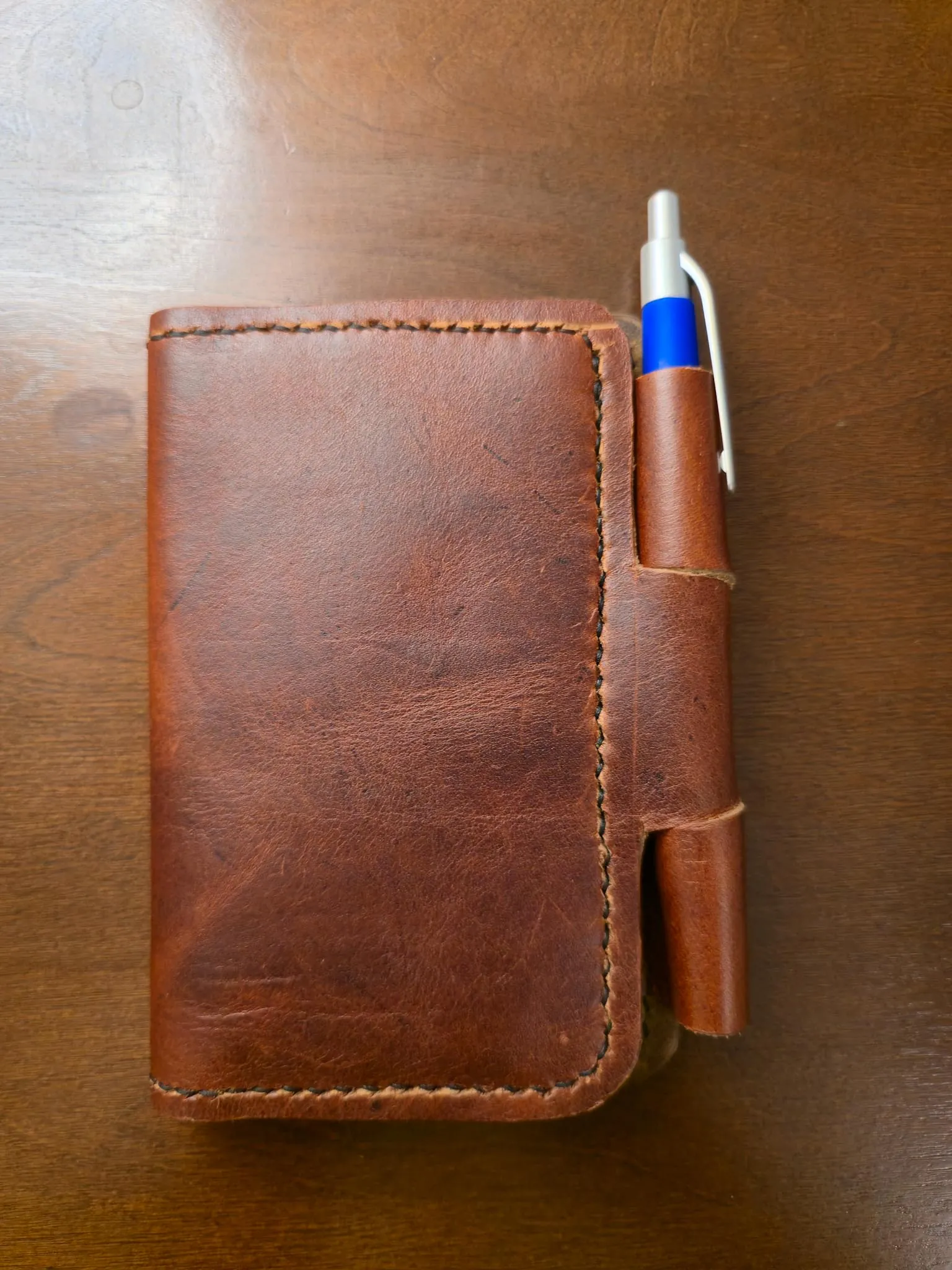
There is no point buying a beautiful cover that asks you to abandon your favorite notebook. Start with the paper format that makes you want to write, plan or sketch, then choose the leather around it. A compact notebook may be best for daily lists and field notes. A5 works well for many travelers and writers. A composition notebook gives more room for schoolwork, planning, longer entries and sketches.
The Large Leather Journal Cover is made for a 7 by 9.5-inch composition notebook, with an interior pocket that keeps the notebook in place. Compare those dimensions with your notebook before ordering. If your favorite book measures differently, that does not make it a bad choice. It simply means a different cover or a custom fit will give you a better experience.
For a smaller everyday setup, the Chronicler's Cover is made for a standard A5 notebook. The A5 notebook cover size guide explains why paper size, outer dimensions and thickness all matter there too. The principle stays the same across every format: measure the book you carry, then choose the cover that respects it.
Know the signs of a good fit
A properly fitted cover feels calm. The notebook slides in without scraping the corners. It stays put when you carry it. The spine opens naturally, the pages turn freely and the leather rests flat or closes as designed. You should not have to pull hard, reshape the book or remove the things you normally keep inside.
- Too tight: the notebook corners bend, the spine bows, pockets stretch or the cover refuses to close naturally.
- Too loose: the notebook shifts while you write, slides out of place or feels bulky in a bag.
- Just right: the notebook is secure, the leather can move naturally and the pages are easy to use.
When you are between sizes, do not assume that leather will stretch into a better fit. Leather has some give, but it should not be asked to compensate for a notebook that is clearly too large. Choosing the right size from the beginning protects both the notebook and the cover.
Once the fit is right, keep the daily routine simple. Use the interior pocket for the notebook and reserve any extra space for a few flat papers, not a thick pile of loose odds and ends. If the cover gets caught in rain, remove the notebook if it is damp, blot the leather and let both pieces air dry away from direct heat. A clean, well-fitted cover should make the notebook easier to carry, not turn it into another item that needs special handling.
What to send when you need a custom cover
A custom notebook cover becomes much easier to make when the measurements are clear. Share the closed notebook's height, width and thickness, then mention the binding, cover material and any features that stand out. A photo of the front, spine and open notebook is helpful too, especially for rounded corners, elastic closures or interior pockets.
Also explain how you use the notebook. Do you add photos, tabs, receipts or class handouts? Do you need a pen loop? Will the book live in a tote, a backpack or on a desk? Those details help turn a custom cover from a decorative object into something that works with your real routine. The custom order page is the right place to start when a standard size is not quite your size.
Let the measurements make the choice easy
A composition notebook is meant to be used. It can hold school notes, project plans, travel observations, recipes, sketches or the kind of ordinary details that become worth keeping later. A leather cover should make that work feel easier by protecting the book, keeping it ready to hand and staying useful after one notebook is full.
Start with the real dimensions, allow room for the spine and the way you use the pages, and choose the cover that fits that reality. It is not complicated, but it is worth doing. A good fit means the notebook opens easily today and the leather has every chance to become the piece you reach for again when the next blank book appears.
Frequently asked questions
What size is a composition notebook?
There is no single outer measurement that covers every composition notebook. Many are close to the familiar 7.5 by 9.75-inch format, but the finished size can change with the brand, binding, cover thickness and rounded corners. Measure the closed notebook before choosing a fitted cover.
Will every composition notebook fit the same leather cover?
No. Two books sold as composition notebooks can be different enough to change the fit. A close leather cover needs room for the outside cover, the spine and normal page movement, so compare your notebook's full height, width and thickness with the maker's stated fit.
How do I measure a composition notebook for a cover?
Close the notebook naturally and measure the outside height, outside width and spine thickness. Include the notebook's own cover, binding, elastic, tabs and anything you routinely keep inside. Those three measurements are more useful than the notebook's name alone.
What if my composition notebook is slightly too large for a cover?
Do not force it. A cover that is too tight can bend corners, strain the spine and make page turns frustrating. Choose a cover designed for the actual measurements, or ask a maker about a custom fit when the notebook has an unusual size or binding.
Keep reading
More from the journal.
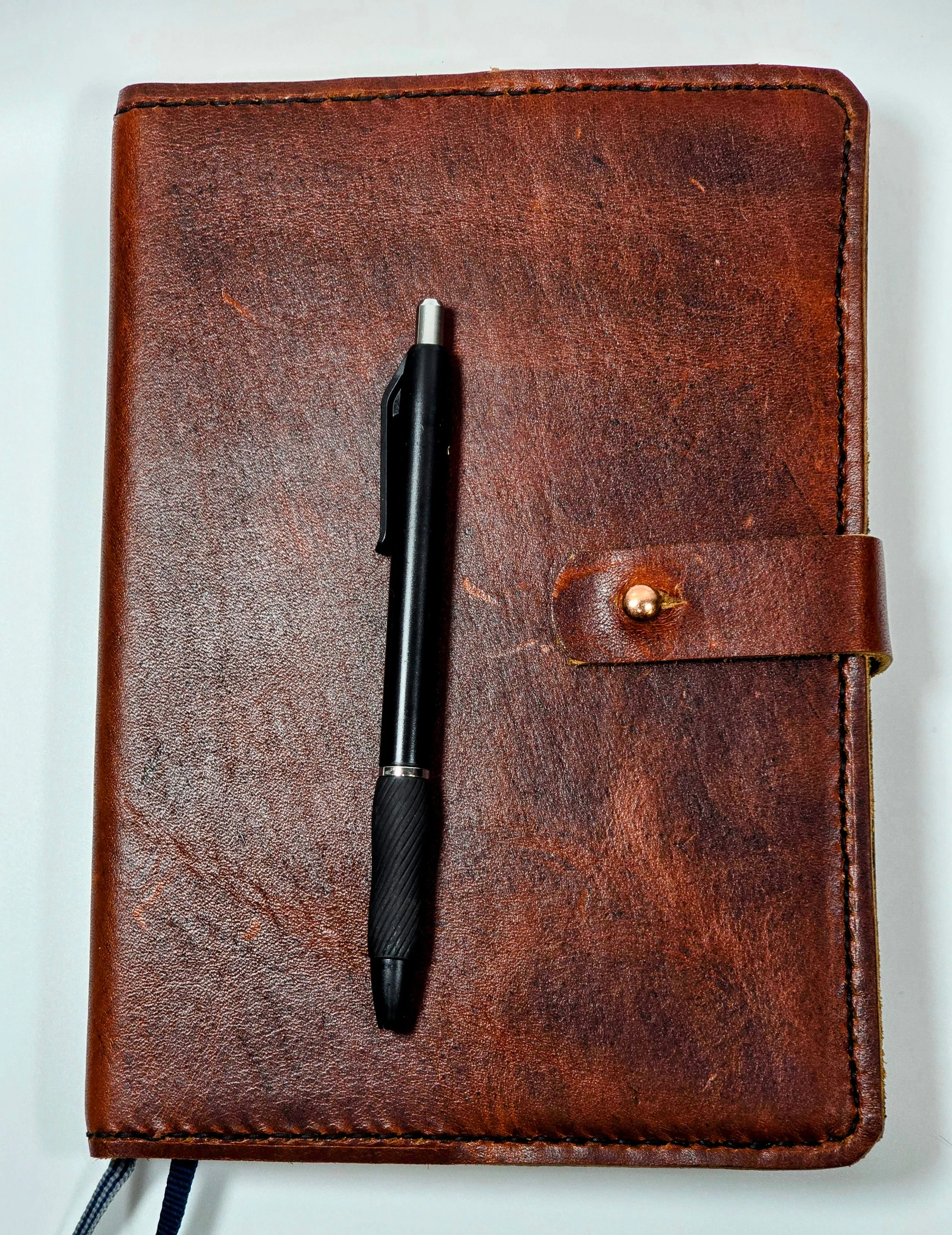
How to Choose the Best Leather Journal Cover for Your Next Adventure
A practical guide to finding a leather journal cover that protects your notes, travels well and earns its patina.
Read the guide ↗
A5 Notebook Cover Size: How to Get the Fit Right
Measure an A5 notebook the practical way, account for thickness, and choose a leather cover that fits without fighting the pages.
Read the guide ↗