Adventure Journaling
A5 Notebook Cover Size: How to Get the Fit Right
Measure an A5 notebook the practical way, account for thickness, and choose a leather cover that fits without fighting the pages.
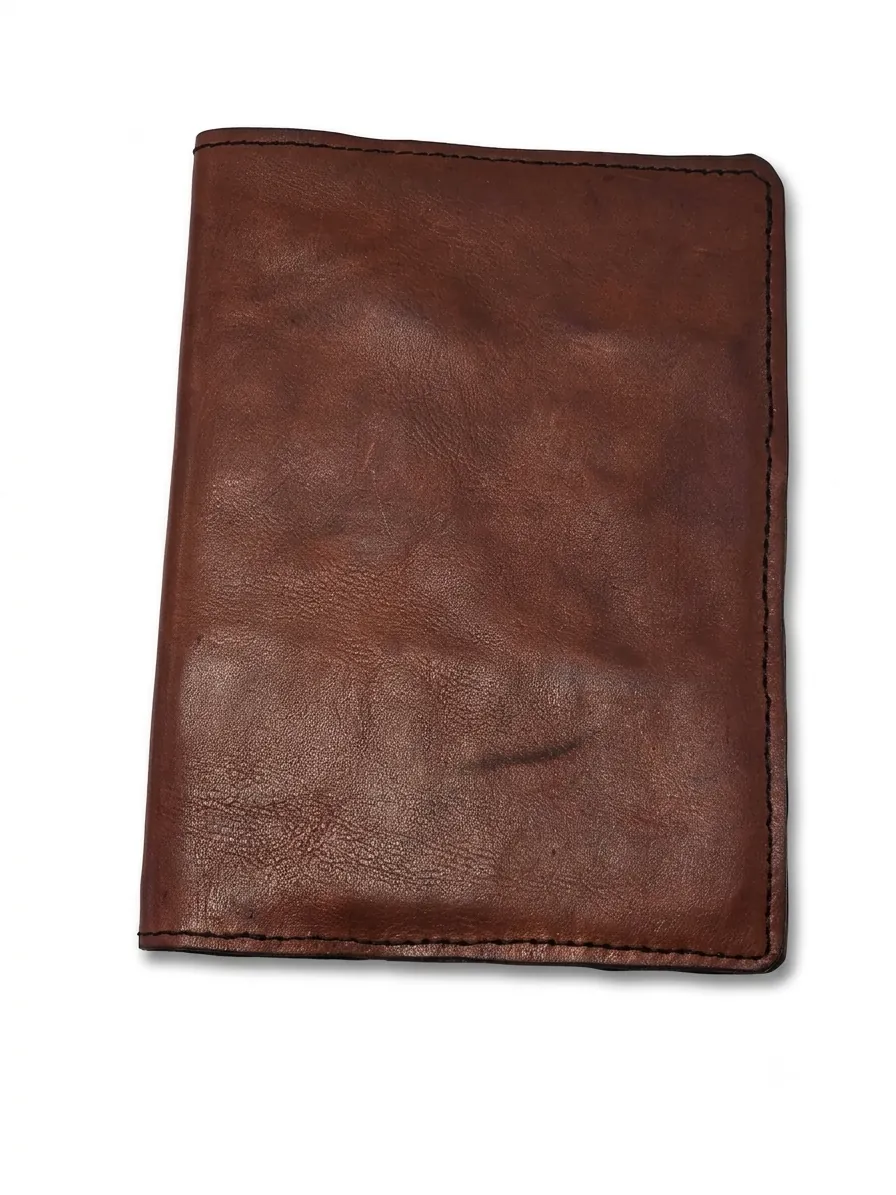
“A5” sounds specific, and it is, right up until you try to slide a real notebook into a real cover. The paper size tells you where to start. It does not tell you how thick the book is, whether the corners are rounded, how much the outer cover adds, or whether the binding needs room to move. Those details decide whether a leather cover feels made for the job or like a stubborn sleeve.
The good news is that getting the fit right is simple. You only need to measure the finished notebook, think about how you use it, and compare those numbers with the maker's stated fit. Do that before choosing a cover and you avoid the two bad outcomes: a cover that strains the notebook or one so loose that everything shifts around in your bag.
Start with the actual A5 paper size
A5 is an international paper size: 148 by 210 millimeters, or about 5.8 by 8.3 inches. It is half the area of A4 paper, which is why it lands in such a useful middle ground for journaling, planning and everyday notes. The A-series paper chart from Neenah Paper shows the standard dimensions, while the ISO 216 system keeps the same proportions as the sizes move up and down.
That measurement describes the pages. It is not a guarantee that every finished A5 notebook will be exactly 148 by 210 millimeters on the outside. A hard cover may add a few millimeters in each direction. A soft cover can curl slightly. A thick notebook has a spine that needs more room than a slim one. Think of A5 as the family name, then measure the individual notebook before choosing its cover.
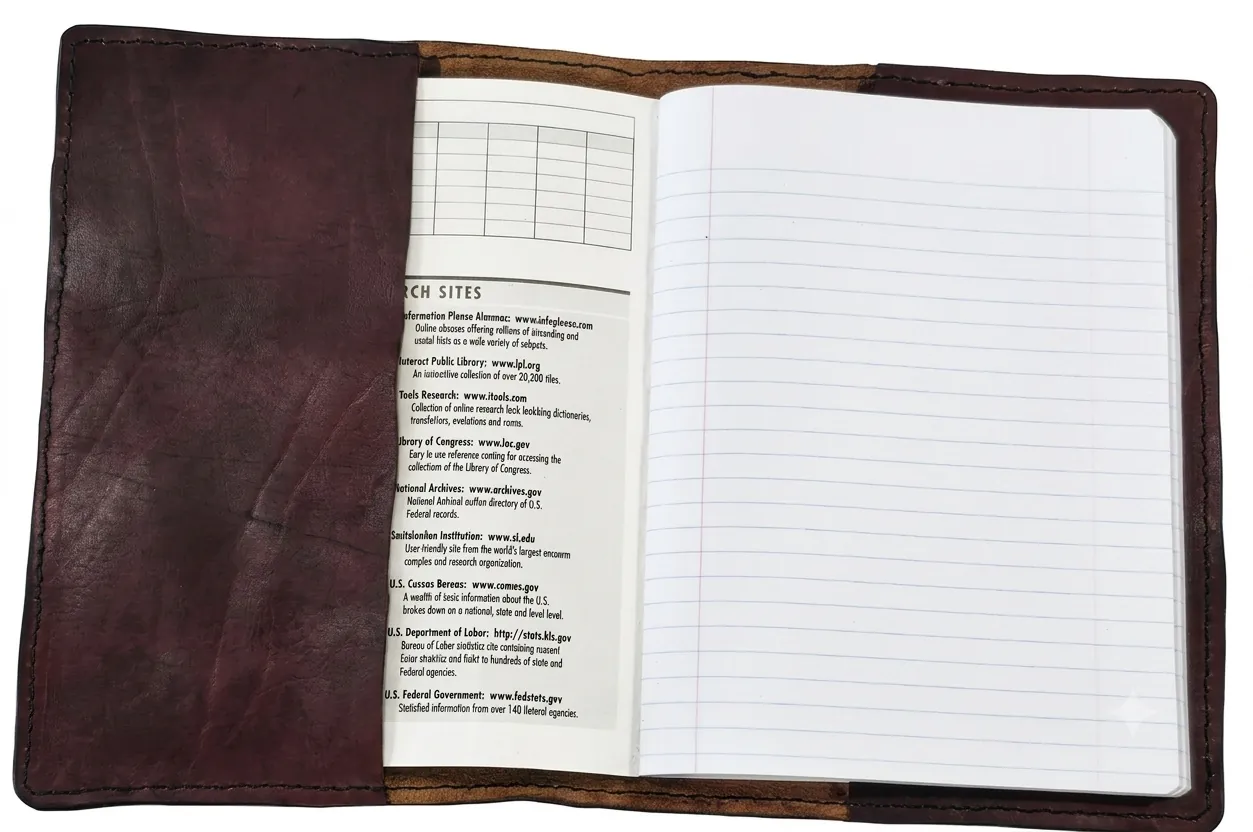
Measure the notebook, not the listing label
Put the notebook closed on a flat table. Use a ruler or tape measure and record three numbers: height, width and thickness. Measure the outer edges, including the notebook's own cover. If it has a coil, elastic loop, pen loop or unusually rounded corners, make a note of that too. Those small details matter more than a product title that simply says “A5.”
- Measure height: from the bottom edge to the top edge with the notebook closed.
- Measure width: from the left outer edge to the right outer edge, not just the printed page inside.
- Measure thickness: close the notebook naturally and measure the spine, including the front and back covers.
- Check the opening: if the notebook has a thick spine, lay-flat binding or added keepsakes, allow room for it to open without pulling the leather tight.
Write the measurements down before you shop. It takes two minutes and gives you a much better comparison than holding a notebook next to a product photo. If a cover description lists only “A5,” ask whether the maker has a recommended notebook thickness or a measured interior fit.
Do not confuse A5 with half-letter
For shoppers in the United States, the most common near miss is half-letter paper. Half-letter is made by cutting U.S. letter paper in half, so it measures 5.5 by 8.5 inches. A5 measures about 5.8 by 8.3 inches. That makes A5 a little wider and a little shorter. On a desk, the difference looks modest. Inside a close leather sleeve, it can be the difference between a notebook that slides in cleanly and one that catches at the corners.
Do not rely on phrases such as “roughly A5,” “medium notebook” or “personal journal.” Look for the actual dimensions. A cover made for a 5.5 by 8.5-inch notebook may be too narrow for a true A5 book. A cover made for A5 may leave a half-letter notebook with a little more side-to-side room. Neither is automatically a problem, but they are not interchangeable sizes.
The same caution applies to notebook brands that use their own names for common formats. A notebook can be described as medium, large, personal, composition or executive and still have an outer size that differs from what you expected. Let the ruler settle the question. Once you know your notebook's finished measurements, marketing names stop being confusing.
Why thickness matters as much as height and width
A slim 80-page notebook and a chunky 240-page planner can both have A5 pages, yet they do not need the same cover. The thinner book can float inside a cover made for a thicker insert. The fuller book may bow its own covers, strain a closure or make the leather sit open if the sleeve is too tight.
Think about the notebook at the end of its life, not only on day one. A travel journal may gain tickets, maps, photographs and folded notes. A planner can swell with tabs and inserts. If you know you fill your notebook that way, measure it with a few sheets tucked inside, or choose a cover with enough flexibility to accommodate ordinary growth. Leather is forgiving, but it should not have to wrestle the book every time you close it.
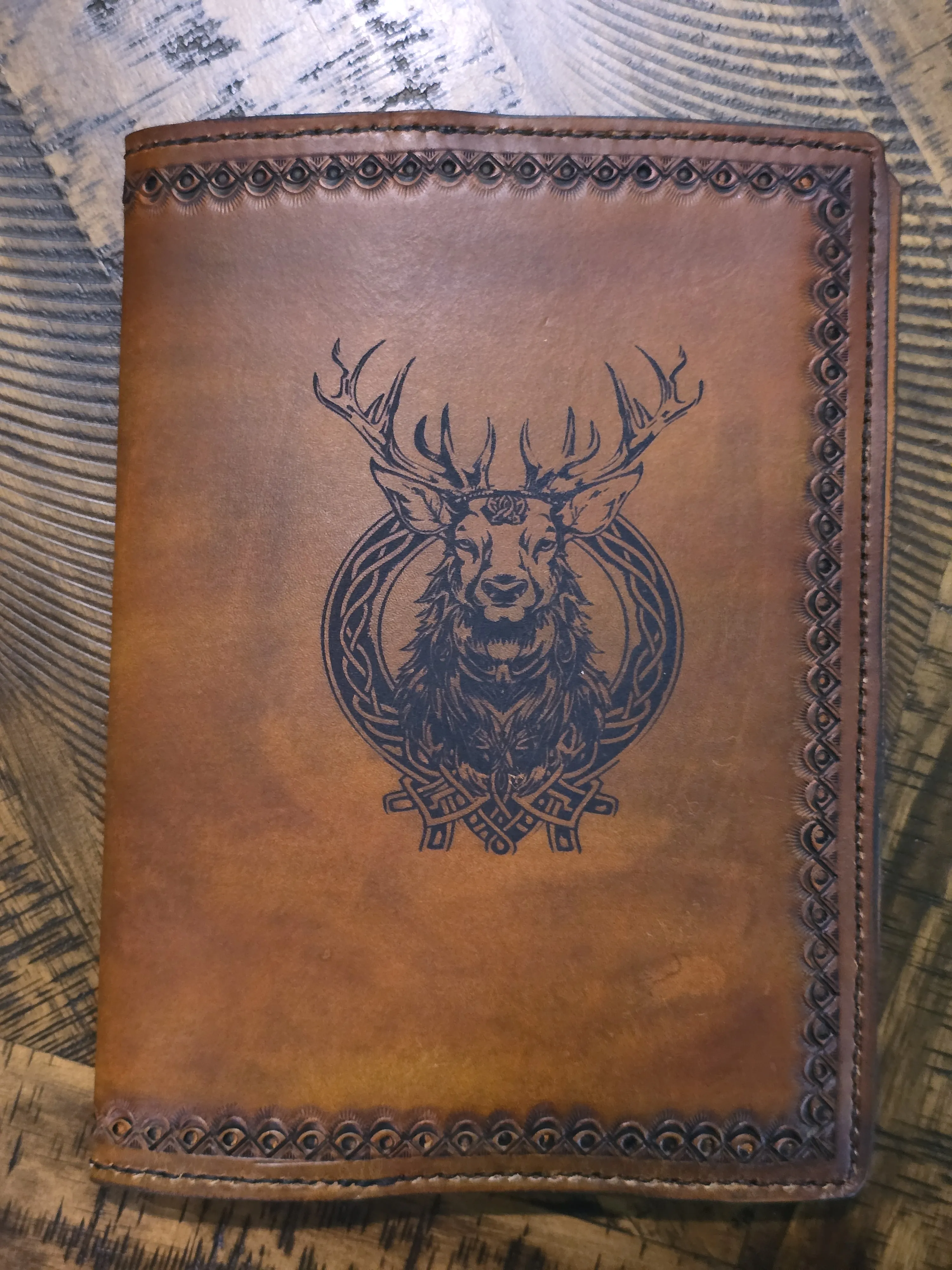
Choose the fit style that matches your routine
A fitted sleeve, a wrap cover and a refillable cover all handle sizing a little differently. A close sleeve gives a clean, compact feel and works well when you use one notebook style consistently. A wrap or tie closure has more tolerance for a notebook that gets thicker over time. A refillable cover with interior pockets is the best long-term choice when you want to replace the paper but keep the leather in service.
For everyday notes and lighter travel, a compact option such as the Mini Leather Journal Cover makes sense when a full A5 notebook is more than you need. For a standard A5 setup, the Chronicler's Cover is made for that familiar, easy-to-carry format. If your writing needs more room, step up deliberately rather than forcing a larger notebook into an A5 cover.
The Large Leather Journal Cover, for example, is made around a standard 7 by 9.5-inch composition notebook. That is a different format from A5, and it works best when you want a larger page for longer entries, planning or sketches. The point is not to call every notebook “close enough.” Pick the cover around the book you will actually carry.
Check the details that change the outside size
Some notebook features add more bulk than people expect. A spiral binding pushes the book wider and can catch on a close leather edge. A pen loop or elastic closure may sit under a flap and make the cover feel uneven. A thick hard cover needs more allowance than a flexible stitched booklet. Tabs, pockets and pasted-in keepsakes all add thickness where the cover needs to bend.
That does not make those features wrong. It just means they belong in the measurement. When a notebook has a special binding or a lot of added material, a cover with a little more give is usually kinder to both the leather and the book. For a plain stitched or glued notebook, a closer fit can feel wonderfully tidy.
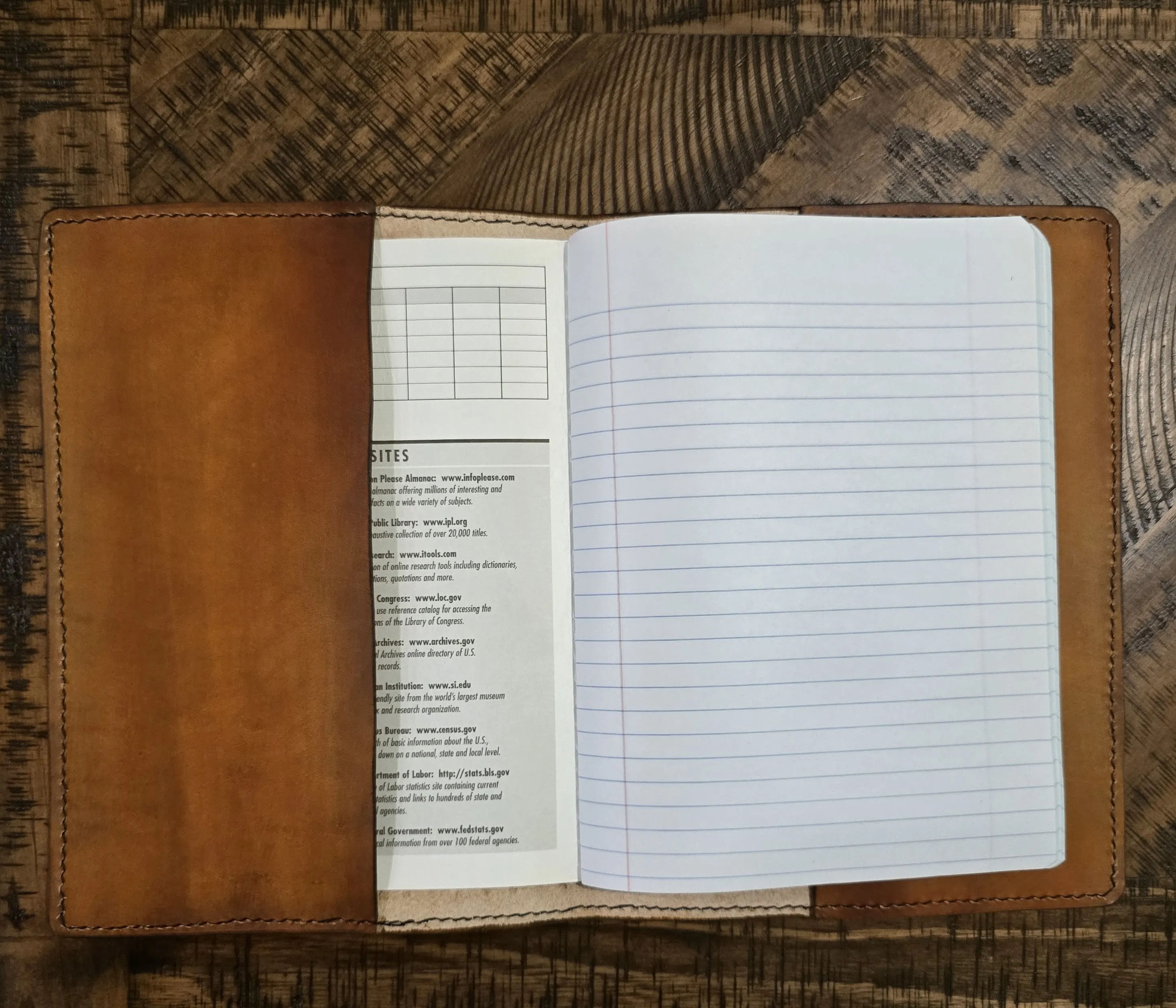
Make a quick paper template when you are unsure
A paper template is a simple way to check a size before committing to a cover. Cut a rectangle to 148 by 210 millimeters, or 5.8 by 8.3 inches, and place it against your notebook. The template will show immediately whether the notebook is truly A5, slightly oversized or closer to a different format. It is especially useful when you are looking at an older notebook with no label or one ordered online without reliable specifications.
For a fuller test, wrap a sheet of paper around the closed notebook and mark where the edges meet. Add the notebook's actual thickness at the spine, then open and close the paper a few times. You are not trying to build a perfect mockup. You are checking whether the notebook needs a close sleeve, a little extra give or a different cover size entirely.
This small exercise is also useful when choosing between a soft wrap and a structured cover. A paper mockup makes it easier to notice where a pen loop, elastic band or thick stack of inserted pages will land. It turns an uncertain online choice into a physical comparison you can make at the kitchen table.
Use this quick fit check before you buy
Once you have the notebook measurements and the cover description, use a practical check. The cover should be at least as tall and wide as the finished notebook, with enough room at the spine for the notebook to open comfortably. It should hold the book without crushing the corners, wrinkling the cover or forcing a closure to pull hard. When in doubt, choose the option designed for the exact notebook size rather than hoping a neighboring size will behave the same way.
- Good fit: the notebook sits securely, pages turn freely and the leather rests naturally when closed.
- Too tight: corners bend, the spine strains, pockets pull or the closure feels under tension.
- Too loose: the notebook slides, the cover feels bulky or the edges catch when you pull it from a bag.
Fit is also about your carry. A cover that feels fine on a desk may be too bulky in a small bag. Pair an A5 journal with a roomy tote such as The Wayfarer's Tote when you carry other gear, or keep a smaller notebook and essentials close in The Highland Nomad for lighter days.
What to send a maker before ordering a custom fit
When you need a cover for a notebook that is not a standard size, send the closed notebook's height, width and thickness, plus a clear note about the binding and any features that stick out. A quick photo of the front, spine and open notebook helps too. That gives the maker the information needed to judge the fit instead of guessing from a brand name or a product listing.
Be honest about how you use the notebook. Mention whether you add tabs, tuck in receipts, keep a pen in the cover or expect the book to grow thicker. Those habits are not complications. They are the details that turn a leather cover from a nice-looking object into a piece that works comfortably for years.
Let the notebook decide the cover
A good leather cover does not ask you to compromise on the pages you like to use. It protects the notebook, makes it easier to carry and becomes more personal as both pieces see more days. Start with the notebook format, measure the finished object and choose the leather around that reality. You will get a cleaner fit, easier page turns and a cover you actually want to keep using.
For a closer look at the options, browse the journal covers and padfolios or read the guide to choosing a leather journal cover for travel. Both are useful once you know whether A5 is the size that belongs in your hands and bag.
Frequently asked questions
What size is an A5 notebook?
A standard A5 notebook page measures 148 by 210 millimeters, or about 5.8 by 8.3 inches. That describes the paper size, not necessarily the finished notebook, because covers, binding and page count can make the outside dimensions larger.
Should an A5 leather cover be the exact size of the notebook?
No. A leather cover needs a little room for the notebook cover, spine and normal page movement. The right fit holds the notebook securely without bowing the covers, pinching the spine or making it awkward to turn pages.
Will every A5 notebook fit the same cover?
Not always. Two notebooks can both be called A5 while having different outer covers, page counts and spine thicknesses. Measure the finished notebook and compare those measurements with the cover's stated fit before ordering.
Can I use a larger cover for an A5 notebook?
You can, but too much extra room lets the notebook slide around and makes the carry feel bulkier. A slightly flexible leather cover can be forgiving, but it should still be made for the notebook size and thickness you plan to use.
Keep reading
More from the journal.
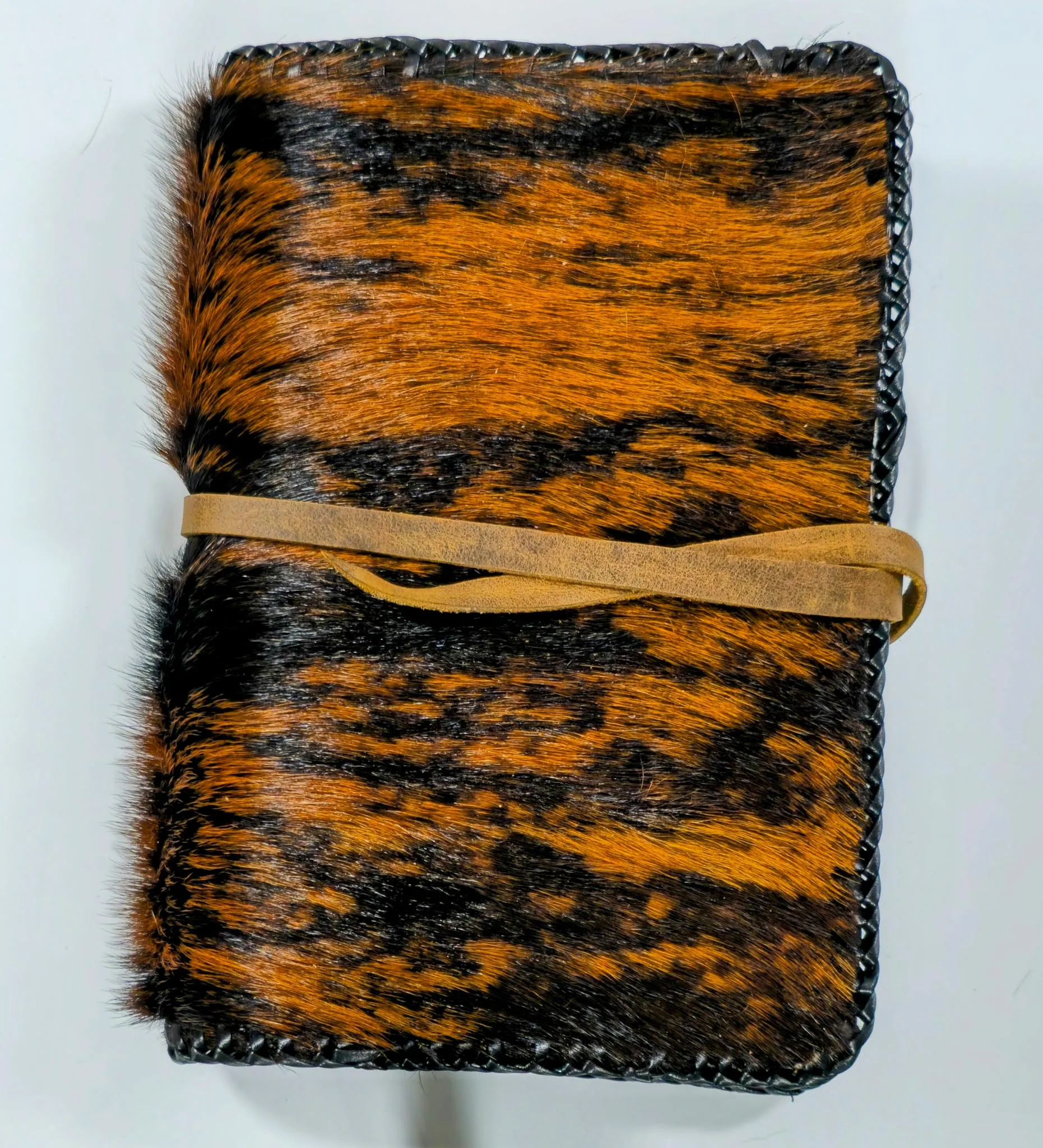
How to Make a Leather Journal Cover: A Maker’s Starter Guide
A practical introduction to planning, cutting and finishing a simple leather journal cover, with the measurements and mistakes worth understanding before you begin.
Read the guide ↗
How to Clean Leather: A Gentle 5-Step Guide
Learn how to clean leather without overdoing it, what to avoid, and when a handmade pouch, bag or cover needs professional help.
Read the guide ↗