From Eric’s Workbench
Are Handmade Leather Goods Worth It?
What makes handmade leather goods worth the investment, from honest materials and hand stitching to useful design, repair and patina.

Hi, I’m Eric, founder of The Kilted Leatherworker.
Have you ever bought an accessory that looked good for a few weeks, then began to crack, stretch, peel or lose its shape? I have. That experience is one reason I care so much about making leather goods that are built to stay with you.
So, are handmade leather goods worth the investment?
Yes, when they are made from honest materials, thoughtfully designed, carefully stitched and supported by a maker who stands behind the work. A well-made leather wallet, journal cover, belt pouch, sporran or tote is not meant to be replaced every season. It is meant to become more useful, more comfortable and more personal with time.
That is the difference between buying an accessory and choosing something you intend to keep.
Handmade leather goods are built for long-term use
Mass-market accessories are often designed around speed, low cost and quick replacement. That does not make every factory-made product poor, but it does mean durability may not be the first priority.
When I make a piece by hand, I think about the work it needs to do: where the stress will fall, how much weight it will carry, how the closure will hold up, whether the shape will remain useful after years of handling, and whether the piece can be cleaned, conditioned or repaired. Those questions guide the process from the first cut to the final edge.
At The Kilted Leatherworker, each piece is cut, stitched and finished one at a time in Texas. I do not want to make something that only looks good when it is new. I want to make something that still earns its place after months and years of real use.
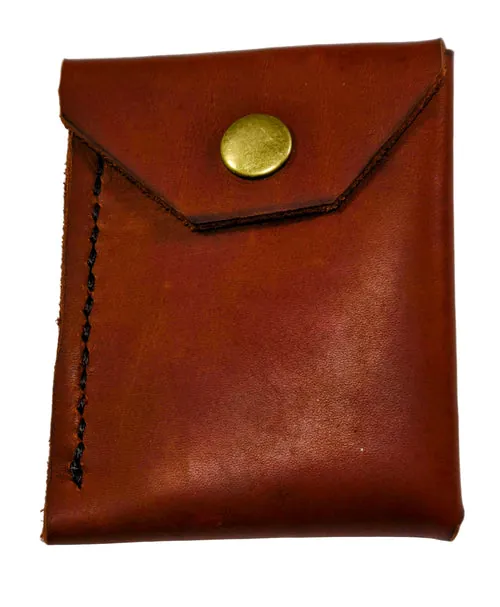
Honest materials make a difference
The material is where the story begins. Quality leather has natural grain, variation, texture and strength. It does not need to look perfectly uniform to be valuable. Those small differences are part of what makes each piece unique.
I select leather for character and function. Depending on the product, that may mean full-grain leather with a pronounced natural surface, a rich burgundy finish or a rugged hide chosen for its strength. I avoid treating leather as if it were disposable fabric. The material deserves to be understood and used well.
A good leather accessory should feel substantial without being overbuilt. It should have enough structure to protect what it carries while still softening naturally through use. That balance matters in a wallet handled every day, a journal cover protecting pages in a bag or on the road, and a tote that may carry books, supplies and the ordinary load of a full day.
Before you buy, ask what leather is being used, how it was chosen for the job and what sort of care it needs. A maker who can answer clearly is giving you more than a label. They are showing that the material and the finished piece have been considered together.
Hand stitching is more than a decorative detail
I enjoy the rhythm of hand stitching. It slows me down, but that is part of the point. Each hole is placed intentionally. Each stitch is pulled carefully. I pay attention to spacing, tension and how the seam will behave when the piece is opened, closed, carried or set down.
Hand stitching also gives me a closer relationship with the item I am making. I can feel when the leather is shifting. I can notice when an edge needs more attention. I can make small decisions along the way instead of treating the work like a production line.
The result is a seam made with patience and purpose. That does not mean a handmade item can never show wear. Anything that is genuinely used eventually shows something. The advantage is that the construction is made with long-term service in mind. Seams can often be restitched, hardware can sometimes be replaced, and leather can be cleaned and conditioned. A product made to be maintained has a very different life from one made to be discarded.
Thoughtful function is part of the value
I believe useful design is one of the quiet benefits of handmade work. A handmade piece does not have to be complicated. In many cases, the best design is the one that removes friction from your day.
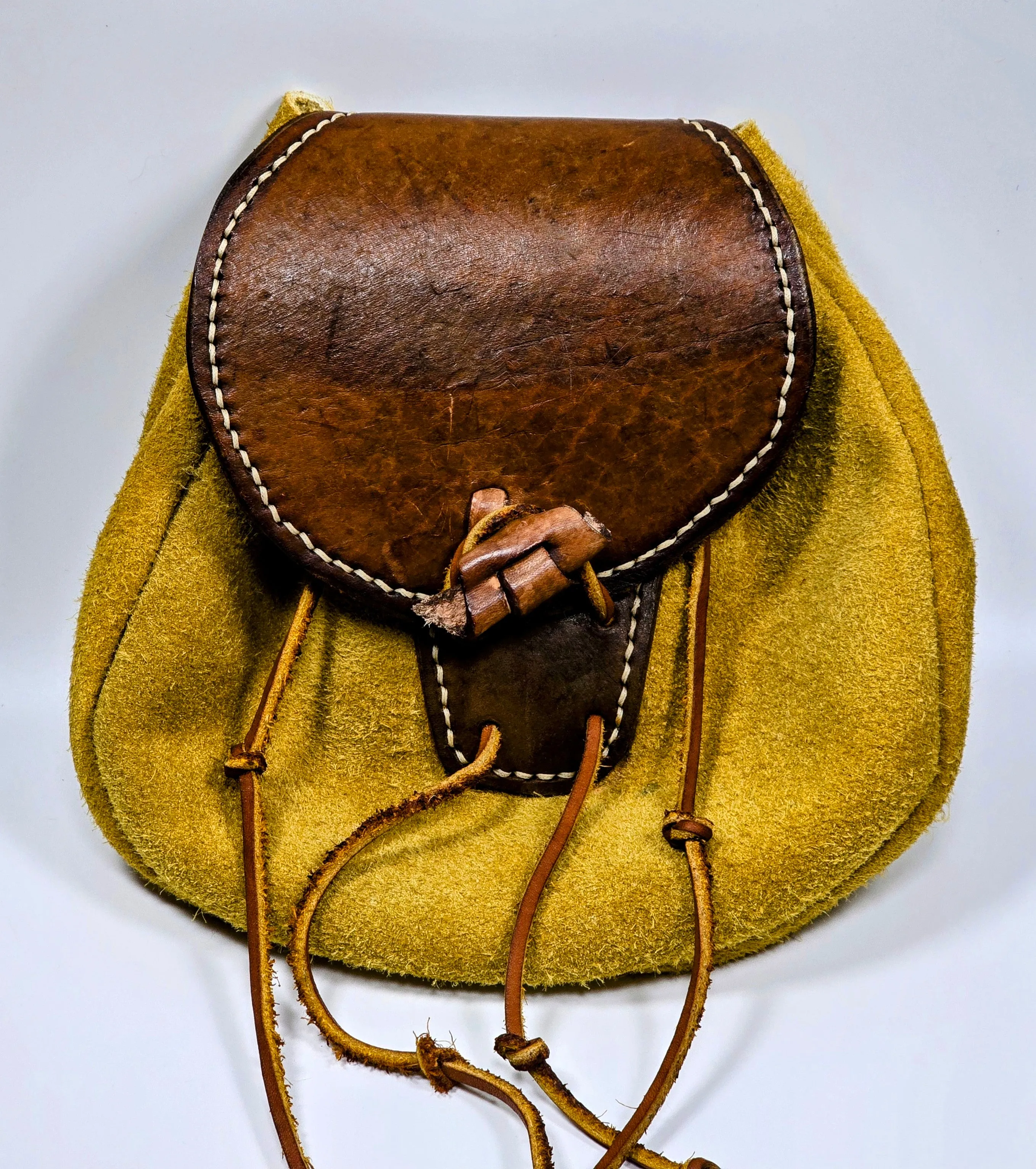
The Highland Nomad: a leather belt pouch and leather sporran
The Highland Nomad is designed around hands-free carry. It gives your phone, wallet, keys and other small essentials a secure place without crowding your pockets. Its sporran-inspired shape reflects Scottish heritage, while its practical profile works for everyday errands, festivals, travel or an afternoon outdoors.
I built it from full-grain buffalo leather with natural texture, dependable hardware and a hand-finished construction. It is a leather belt pouch, but it can also serve as a modern leather sporran for someone who wants useful carry with a little more character.
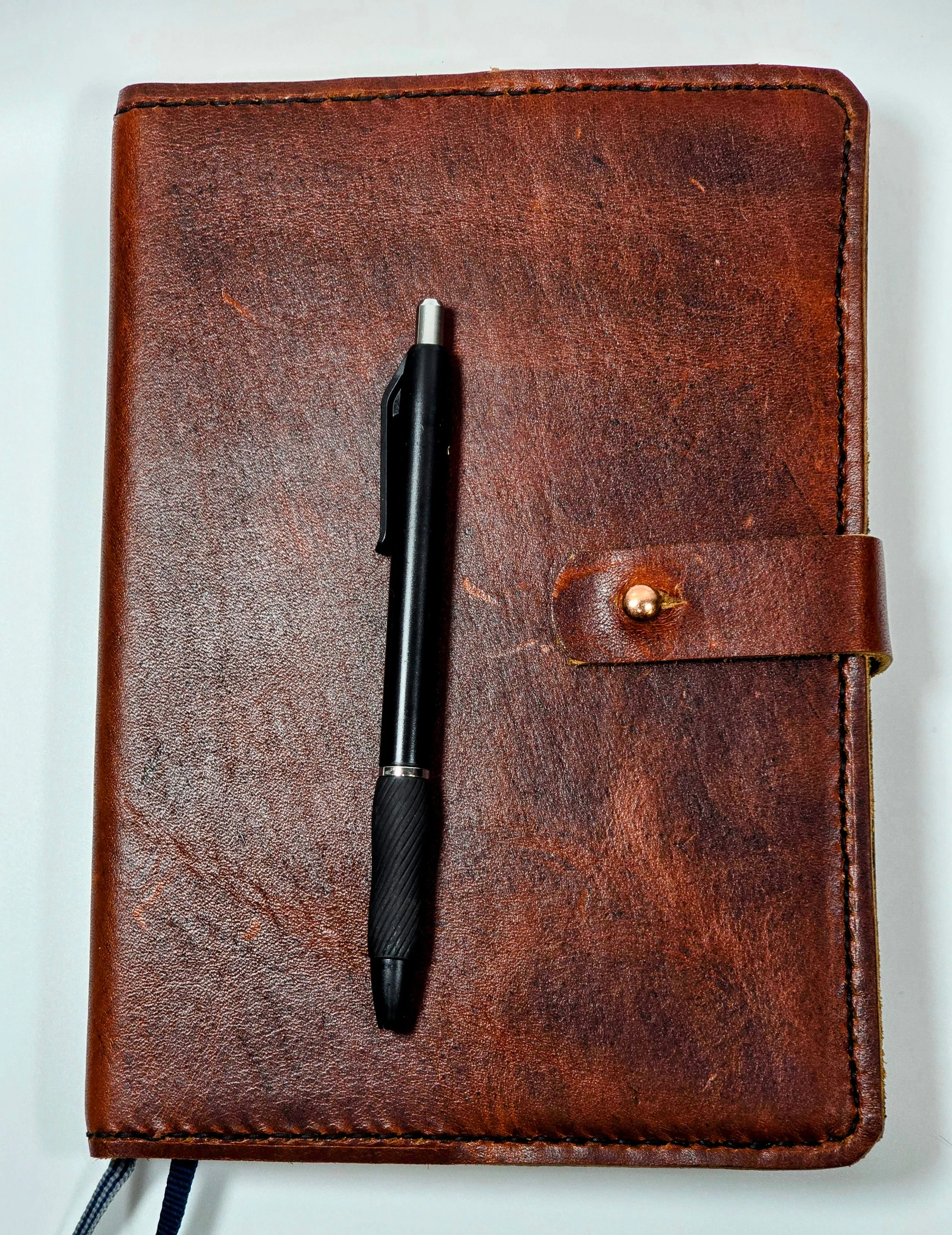
The Chronicler’s Cover: a leather journal cover for the long haul
The Chronicler’s Cover is made for a standard A5 notebook. When the notebook is full, you can replace the pages and keep the leather cover for the next chapter. The burgundy leather develops character as it is handled, while the snug fit keeps the notebook secure without making it difficult to change journals.
For writers, travelers, artists and anyone who still enjoys putting pen to paper, a good leather journal cover turns an ordinary notebook into something worth returning to.
The Wayfarer’s Tote: a leather tote bag made to be carried
The Wayfarer’s Tote is made for the long haul: market days, studio sessions, weekend trips and regular everyday use. It has a spacious main compartment, reinforced handles and a magnetic snap closure. The structure gives it enough shape to stay useful, while the leather softens and develops patina over time.
A leather tote bag should not feel precious or fragile. I want you to be able to carry it, set it down and bring it along without worrying that ordinary use will ruin the story.
Handmade wallets improve with use
A wallet may be small, but it is one of the most frequently handled items you own. You reach for it at the store, in the car, while traveling and at the end of the day when you empty your pockets. That daily contact makes material and construction especially important.
A well-designed handmade leather wallet should fit the way you actually carry. If you use only a few cards and folded bills, a slim profile makes sense. If you need business cards or additional storage, a different layout may serve you better. The Burgundy Wrinkle Minimalist Wallet is designed for front-pocket carry, multiple cards and folded cash. Its snap closure adds security without turning the wallet into a bulky case.
I enjoy making wallets because small decisions matter so much. The number of layers, the placement of the closure, the shape of the pockets and the weight of the leather all affect how the wallet feels in daily use. The goal is not to add features just to add them. The goal is to make a wallet that carries what you need and nothing that gets in the way.
Patina gives the piece a personal history
One of the best things about leather is the way it changes. The surface may darken where your hands touch it most. Edges may soften. Small marks may appear from travel, work, weather and daily routines. Instead of making the item look finished, those changes give it a history. That is patina.
A mass-market accessory is often expected to look exactly the same from the first day to the last. Handmade leather goods have a different relationship with time. They are allowed to become yours. The Highland Nomad may show the places you have traveled. The Chronicler’s Cover may surround pages from years of writing. The Wayfarer’s Tote may carry the evidence of work, errands and weekends away. A handmade leather wallet may become familiar in your hand before you realize how much you rely on it.
There is something about that kind of relationship that cannot be manufactured quickly. It is also why care matters. A soft cloth, sensible storage and occasional conditioning when a piece is actually dry can help it keep doing its job. For specific care guidance, the Leather Working Group recommends checking with the maker or retailer when an item does not come with care instructions tailored to its leather.
The cost makes more sense when you consider the lifespan
A handmade item often costs more at the beginning because you are paying for better materials, careful labor, small-batch production and direct maker-to-buyer craftsmanship. But the purchase price is only one part of the equation.
If a low-cost accessory needs to be replaced repeatedly, the savings may disappear over time. A durable piece that can be cared for and repaired may offer better value across its useful life. Value also includes knowing who made the item and why it was made that way. When you buy directly from a maker, you are not choosing from an anonymous stream of disposable goods. You are supporting a person, a workshop and a slower way of making.
At The Kilted Leatherworker, I back the work with a limited lifetime warranty against material and workmanship defects. I want you to feel confident that your piece was made with care and that you can reach out if something goes wrong.
Durable does not mean overbuilt
It is easy to mistake thickness for quality. Heavy leather can be useful for a work belt, a structured pouch or a piece that needs to hold its shape. But a wallet that is too thick can become uncomfortable in a pocket, and a tote with too much weight before it is even packed can become a chore to carry. Good making means choosing the right leather weight and construction for the job, not simply using the heaviest material available.
That is why thoughtful details matter. A wallet needs the right number of layers, not every possible slot. A journal cover needs enough structure to protect pages without fighting the notebook. A belt pouch needs hardware that feels secure without turning access into a struggle. A tote needs handles that stay comfortable once the day’s load goes inside. The most satisfying handmade pieces tend to feel simple because their complexity was worked out before you ever picked them up.
When you are comparing two items, pay attention to whether the design respects the way you will use it. Look at how straps are attached, where seams meet corners, how edges are finished and whether the closure makes sense for the things you carry. A beautiful piece that creates friction in your day will not earn its place, no matter how handsome it looks on a shelf.
When handmade is the right investment
Handmade leather goods are most worthwhile when the item will be part of a routine. Think of the wallet you open every day, the bag that comes to work or market with you, the pouch you wear while traveling, or the journal cover that holds the pages you return to again and again. Frequent use gives a well-made item the chance to justify its price through comfort, familiarity and a longer service life.
They also make sense when fit or function matters. Maybe you want a pouch that works with the belt you already wear. Maybe you need a journal cover for a specific notebook, or a wallet that carries business cards without becoming a brick. A direct conversation with a maker can help you choose an existing design or create a custom piece that solves a real problem. That kind of attention is difficult to find in a crowded product listing.
Handmade is not automatically the right answer for every purchase. If you only need a temporary solution, if the item will not be used often, or if the design does not suit your needs, a higher price alone does not create value. The honest question is whether you will use the piece enough to appreciate its materials, construction and comfort. A good maker should want you to choose the right piece, not simply the most expensive one.
Think in years, not seasons
Cost per use is not a promise that every handmade item will last forever. Leather, stitching and hardware all live in the real world. They encounter weather, weight, sharp corners, crowded bags and the occasional hard day. But a piece designed for care gives you options as those years add up. You can clean it, condition it lightly, ask about a repair or simply keep carrying it as it grows more familiar.
That is a better way to think about an investment piece. Rather than asking whether it will stay untouched, ask whether it will still be useful after it has been used well. Will the wallet still feel good in your hand? Will the journal cover be ready for another notebook? Will the tote still carry what you need? Will the pouch still make a day out easier? If the answer is yes, the value is no longer only in the first impression.
Leather is at its best when it is allowed to participate in your life. The small scuffs from a trip, the softened edges from years of handling and the darkening at a familiar fold are not a failure of the material. They are the record of a piece that was chosen, trusted and carried often.
The maker relationship matters
One of the overlooked benefits of buying from a working maker is that there is a person on the other side of the purchase. You can ask why a certain leather was selected, whether a notebook will fit, how a pouch sits on a belt or what to do if a clasp starts acting up. That answer may influence which piece you choose, and it can help you use it with more confidence once it arrives.
It also changes the standard for service. A maker who knows the construction can give specific care advice instead of a generic answer. If there is a problem with workmanship, there is a clear place to start the conversation. That does not make leather indestructible, but it does make ownership less anonymous. You are buying a useful object and the knowledge of the person who built it.
For me, that accountability is part of the craft. I want every person who carries one of my pieces to understand what it is made from, what it was designed to do and how to get the most from it. That is a more satisfying relationship than replacing an item the moment it stops feeling new.
It is a quieter kind of value, but it is real: fewer surprises, clearer care and a piece chosen with intention.
What to look for before buying handmade leather goods
- Clear information about the leather and materials.
- Reinforced or hand-stitched construction.
- Strong, dependable closures and hardware.
- Edges that are finished carefully.
- A design that serves a real use.
- Repair or warranty information.
- Honest product photography.
- A direct way to contact the maker.
Do not be afraid to ask questions. A good maker should be willing to explain the material, construction, care instructions and expected lead time. If the piece is meant to solve a particular carry problem, describe it. The best choice is rarely the one with the most features. It is the one that fits your real routine.
Buy once, carry often
I make handmade leather goods because I believe the things you use every day should be worth keeping. A handmade leather wallet can reduce pocket clutter and become more comfortable over time. A leather journal cover can protect many notebooks instead of being replaced with every new one. A leather belt pouch or leather sporran can keep your essentials close while leaving your hands free. A leather tote bag can carry the work of an ordinary day and still look better after the miles add up.
These pieces are not disposable. They are made one step at a time, with honest materials, thoughtful function and attention to every stitch. Thank you for caring about how your goods are made. If you are ready to find a piece that earns its place in your everyday carry, you are always welcome to explore the collection or ask about a custom order.
Frequently asked questions
Are handmade leather goods worth the extra cost?
They can be, when the item uses durable leather, careful construction, useful design and components that can be maintained. The higher initial price makes more sense when the piece is built to serve for years rather than one season.
What makes a handmade leather wallet different?
A handmade leather wallet is cut and assembled with close attention to proportion, stitching, edges and hardware. It can offer a more thoughtful layout, stronger construction and a natural patina that develops with daily use.
How long can handmade leather goods last?
The lifespan depends on the leather, construction, frequency of use and care. Well-made leather goods can remain useful for many years, especially when seams, hardware and leather are maintained as needed.
Can handmade leather goods be repaired?
Many handmade leather goods can be repaired or maintained. Seams may be restitched, hardware may be replaced and leather can often be cleaned and conditioned. Ask the maker about repair options for a specific piece.
What is the difference between a leather belt pouch and a leather sporran?
A leather belt pouch is generally designed for practical hands-free storage and attaches to a belt. A leather sporran traditionally complements Highland dress, but modern sporrans can also serve as everyday belt-mounted carry. The Highland Nomad brings both ideas together.
How should I care for handmade leather goods?
Wipe away dust with a soft cloth, keep the leather away from prolonged heat and moisture, and use a light leather conditioner only when the leather begins to look dry or feel stiff. Avoid over-conditioning.
Keep reading
More from the journal.
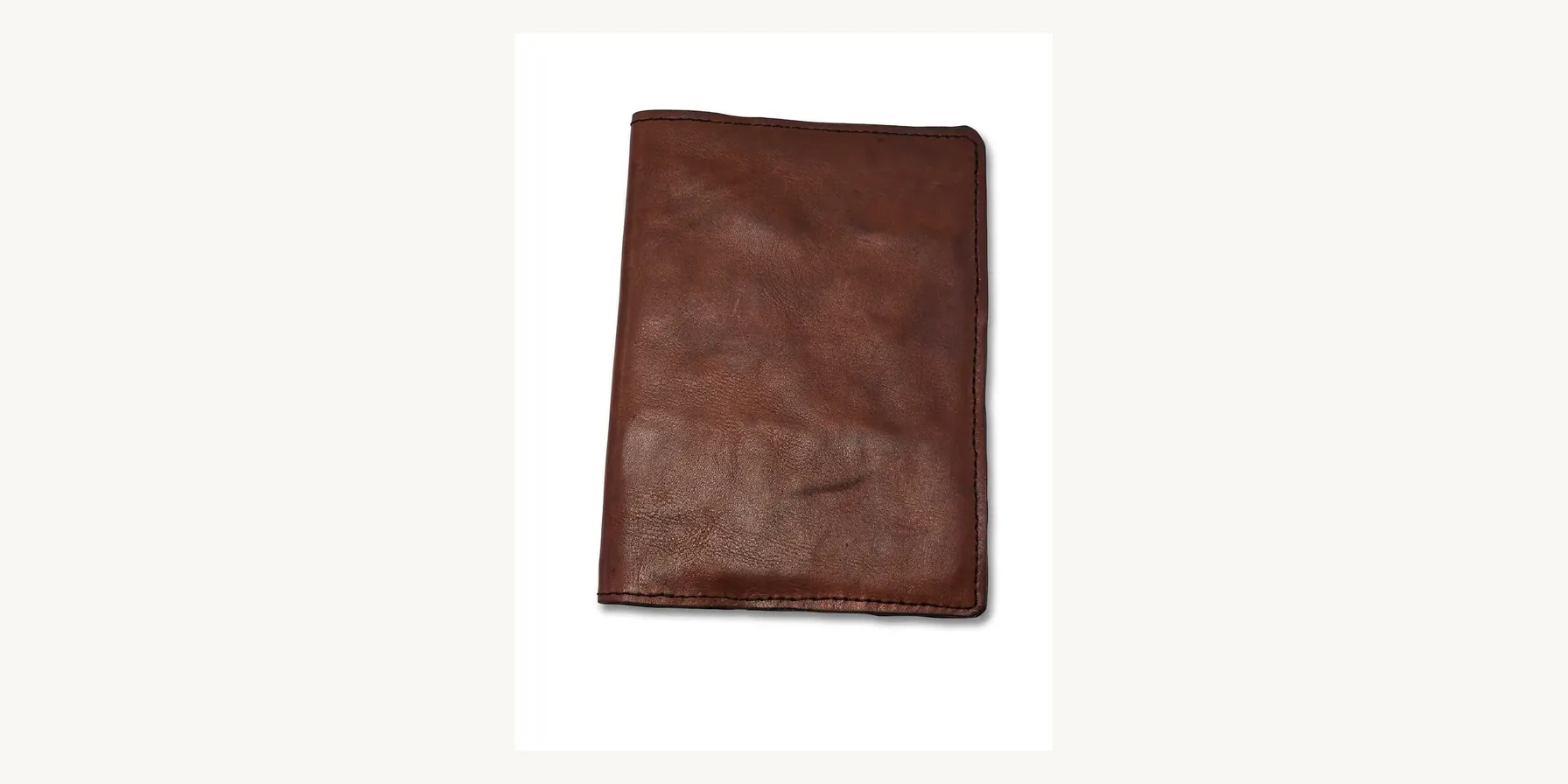
What Is Vegetable-Tanned Leather? A Maker’s Guide
How plant tannins turn hides into durable leather, why it changes with use, and what that means for the pieces you carry.
Read the guide ↗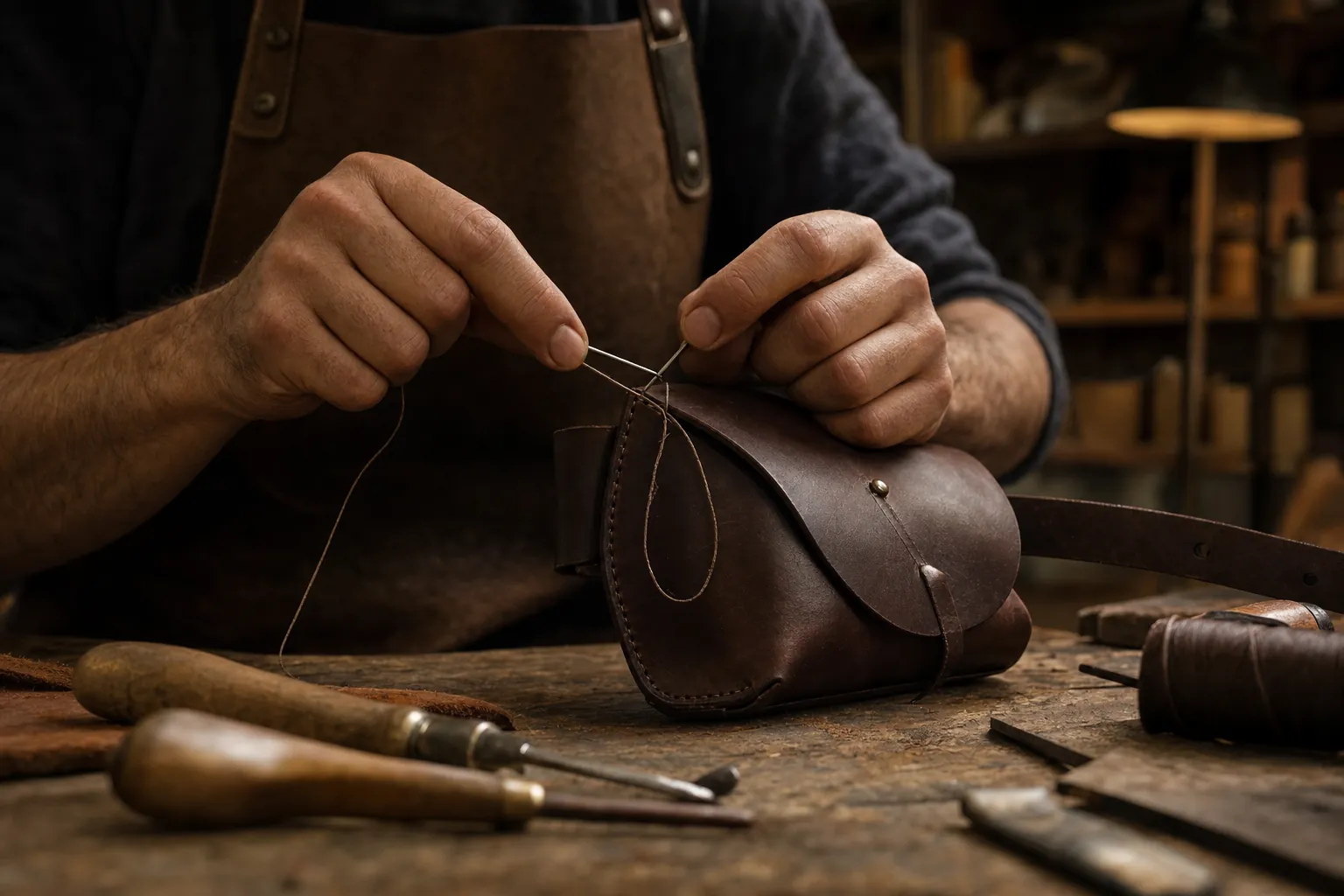
How to Condition Leather Without Overdoing It
A practical, maker-minded routine for keeping full-grain leather supple, clean and ready for the years ahead.
Read the guide ↗