Leather Care
What Is Vegetable-Tanned Leather? A Maker’s Guide
How plant tannins turn hides into durable leather, why it changes with use, and what that means for the pieces you carry.
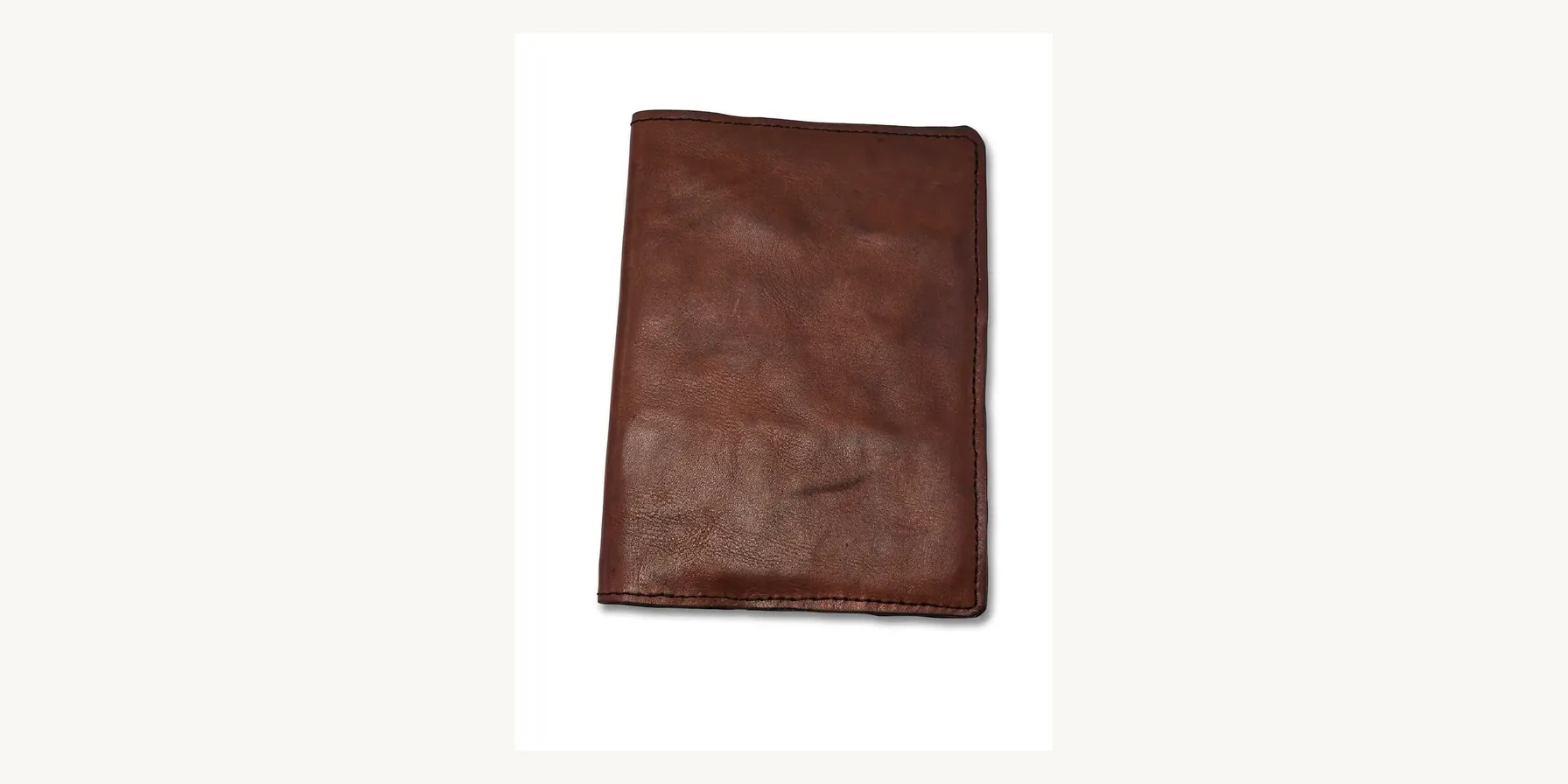
Hi there, I’m Penny, the writer at The Kilted Leatherworker. I spend a lot of time asking Eric, the person with the glue, tools and very patient hands, what makes the leather in a good piece feel so different.
If you have seen “vegetable-tanned leather” while browsing a wallet or bag, you may have wondered whether broccoli is involved. It is not. The name is much less salad, much more tannery. It does, however, describe one of the most important choices behind the leather we work with.
What is vegetable tanning?
Vegetable tanning is a traditional way of turning a raw hide into durable leather with tannins from plants. The Leather Working Group defines vegetable-tanned leather as leather made with vegetable tanning agents and very low tanning-metal content. In plain English, plant extracts do the work of stabilizing the hide so it will not decay.
The tannins can come from materials such as oak or chestnut bark, mimosa and quebracho. Plants use tannins as part of their natural defenses. In tanning, those compounds bind with the hide’s fibers and help create the durable material a maker can cut, stitch and shape. That is why the phrase belongs on the material label, not in the produce aisle.
Why call it “vegetable” tanning?
“Vegetable” describes the plant-derived tannins, not the leather itself. It is a useful distinction because the tanning method influences how leather feels and behaves. Vegetable-tanned leather often begins with more structure than a very soft garment leather, then gradually takes on the marks, oils and softened edges of everyday carry.
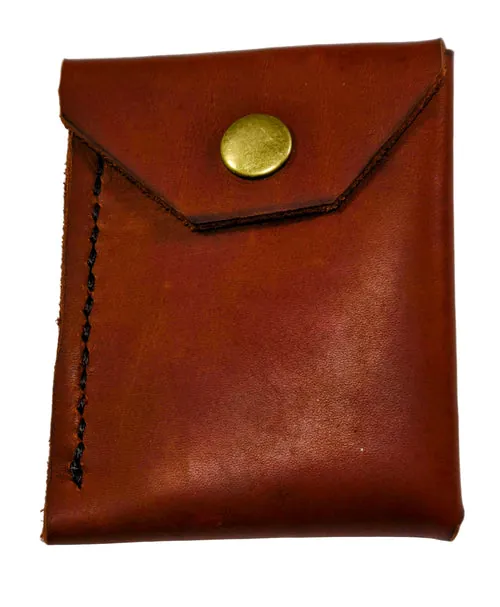
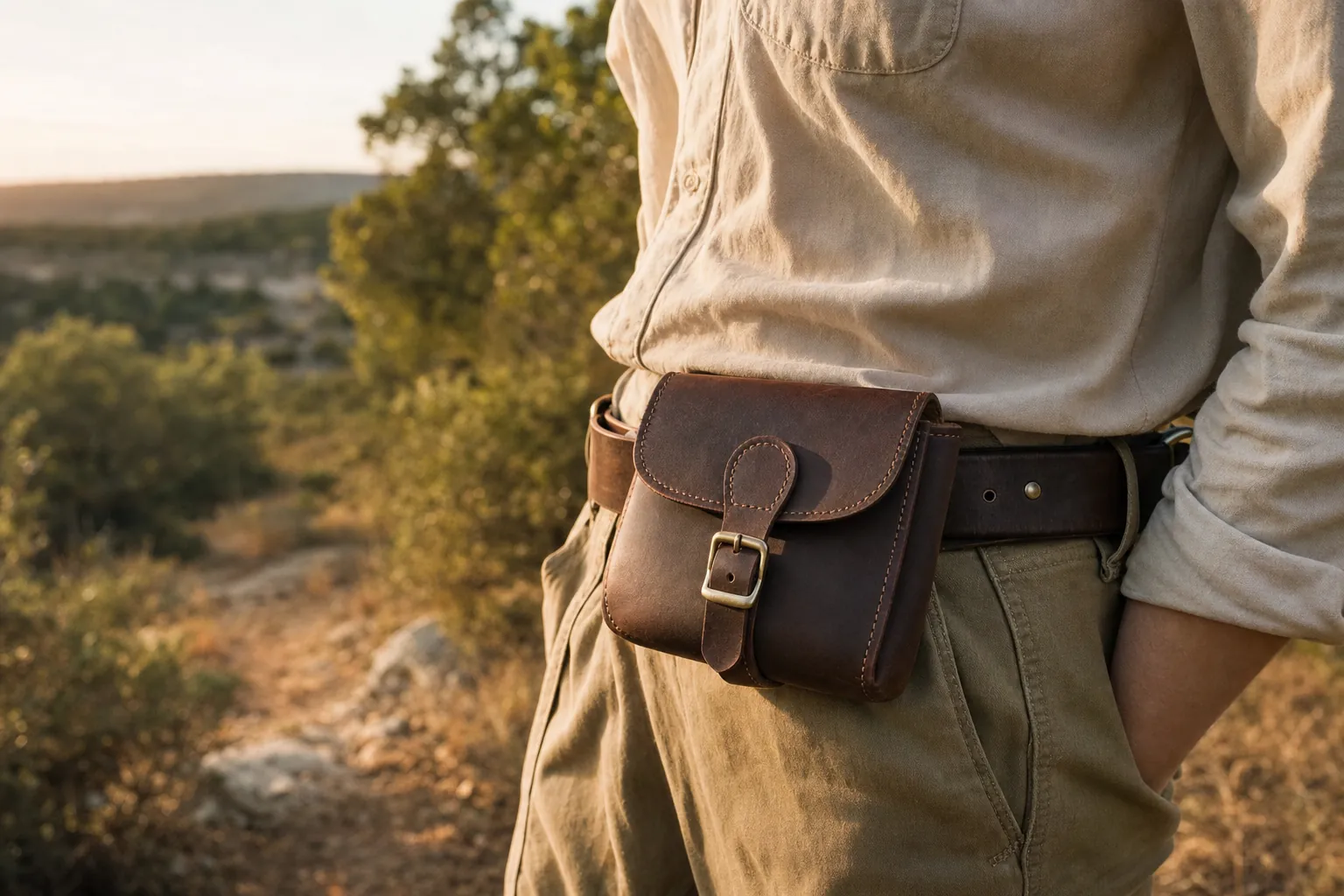
That structure can be exactly what you want in a piece that needs to hold its shape. A belt pouch should stay useful at the hip. A card sleeve should not turn floppy after a few weeks in a pocket. A journal cover should keep its paper protected. The material starts with a little backbone, then eases into the job you give it.
From hide to heirloom: how the process works
There is no fast-forward button in a traditional vegetable-tanning process. The work begins with preparation. Hides are cleaned, rehydrated and readied so the tanning agents can reach the fibers evenly. It is unglamorous but important work, a bit like preparing a canvas before paint ever touches it.
Next comes the patient part. In a traditional pit process, hides move through a series of tannin solutions that become stronger over time. The goal is not to rush a surface treatment. The tannins need time to penetrate through the leather. The exact timing varies by tannery, hide and intended result, but the process is generally much slower than chrome tanning. The EPA’s leather-tanning background materials describe vegetable tanning as a vat process with longer reaction times, while chrome tanning may take place in a much shorter period.
After tanning, the leather may be treated with oils and waxes, then dried, pressed and finished for its final purpose. You may hear this stage called hot stuffing or fatliquoring. The name is not especially poetic, but the result is: the leather gets the lubrication it needs to feel substantial rather than dry and brittle. It is then ready for the workshop, where it becomes the material Eric can cut, stitch and shape into something useful.
Why vegetable-tanned leather feels different
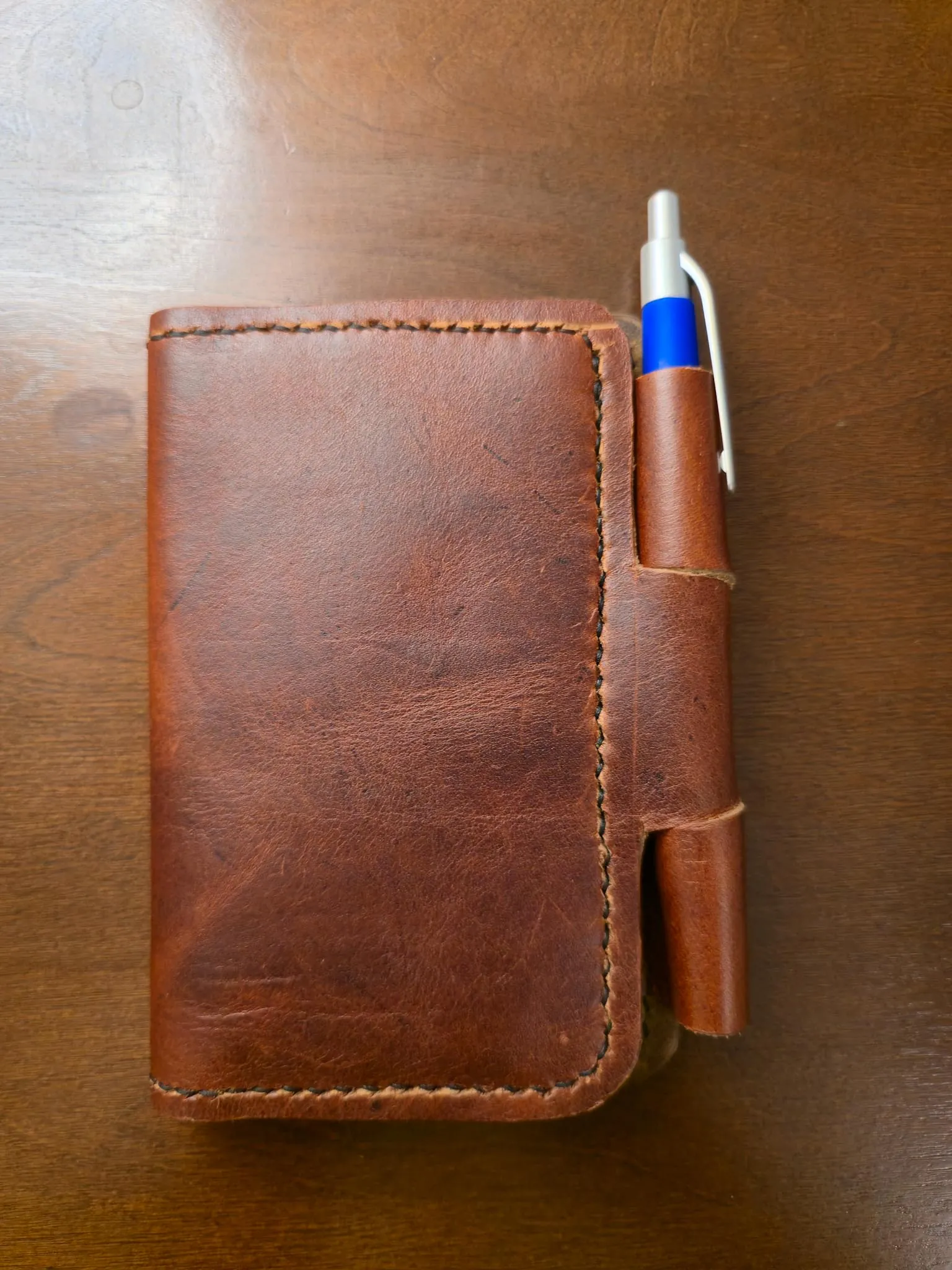
The most noticeable difference is the way it changes. Sunlight, handling and the ordinary bumps of a day do not make every piece look identical. They create a finish that belongs to its owner. That gradual deepening of color and softening at high-contact points is the patina people talk about. A wallet can pick up warmth from years in a pocket. A pouch can show a softened edge where your hand reaches for the clasp. Those marks are not defects. They are evidence that the piece is being used.
Its initial firmness can also be a virtue. A soft leather has its place, especially in garments, but a wallet, pouch or cover benefits from material that can hold a crisp edge and protect what is inside. Vegetable-tanned leather starts out more structured, then breaks in with use. Think of a good pair of boots or raw denim: it takes a little time to become yours.
Then there is the sensory part. Real leather has a warm, woody smell and a density you can feel in the hand. That is not a promise that every hide will smell or age the same. Tannery choices, finishes, dyes and oils all influence the final result. Still, a well-made piece has a character that is hard to mistake for thin, heavily coated leather.
What about the environmental side?
This is where a little honesty matters. Vegetable tanning uses plant extracts, but “plant-based” does not make any leather product automatically harmless. Water, energy, wastewater treatment, dyes, finishing chemicals and tannery practices all matter. The U.S. Environmental Protection Agency regulates leather-tanning pollutants, including chromium, oil and grease, sulfide and suspended solids.
Chrome tanning and vegetable tanning are different processes, not a simple good-versus-bad contest. Chrome-tanned leather can be soft, versatile and appropriate for many jobs. Vegetable-tanned leather is worth choosing when you value a slower process, a more structured hand and a surface that will change over time. Asking where the leather comes from, how it was finished and whether the maker expects it to last is more useful than trusting a single label to answer every environmental question.
Is there a catch?
There are a couple of things to know before you fall for it. Vegetable-tanned leather can be stiffer when it is new, and it is more likely to darken or water-spot after a serious soaking than heavily coated leather. That does not make it fragile. It just means it is more honest about what it has been through.
If it gets wet, blot off the water and let it air dry away from direct heat. Do not put it on a radiator, bake it in a sunny window or attack it with a hair dryer. Once it is dry, give it a quick check. If it feels dry or stiff, a light conditioner is usually enough. Our guide on conditioning leather without overdoing it explains the simple routine.
For everyday care, restraint wins. A little dusting, sensible storage and an occasional light treatment will do more good than a shelf full of products. The goal is not to keep the leather frozen in its first-day appearance. The goal is to let it become more familiar while keeping it strong.
Why we make things one stitch at a time
At The Kilted Leatherworker, the point is not to make a piece that looks perfect for six months. It is to make something that earns its place. A slim wallet, a refillable journal cover or a hands-free pouch should get more familiar, not less useful, with time.
That is why a material that develops character is such a natural fit for the workshop. Eric spends hours at the stitching pony making sure the details hold together. Pair that kind of attention with a leather that takes on the evidence of your own days, and you get more than an accessory. You get a piece with a story that is still unfolding.
If you are choosing between the fast option and the slow one, consider how you want the piece to live with you. The Highland Nomad, a simple card sleeve or The Wayfarer’s Tote all make sense when you want useful carry now and a richer character later. That is the appeal of vegetable-tanned leather. It carries the evidence of the work, then makes room for the evidence of your life.
Frequently asked questions
What does vegetable-tanned leather mean?
It means the hide was converted into leather with plant-derived tanning agents, commonly called tannins. The name refers to those tannins, not to vegetables being used as the leather itself.
Is vegetable-tanned leather better than chrome-tanned leather?
They suit different jobs. Vegetable-tanned leather is often firmer and changes visibly with use, while chrome-tanned leather can be softer and quicker to produce. The right choice depends on the item, its finish and how you want it to wear.
Does vegetable-tanned leather need special care?
It does best with ordinary care: keep it away from prolonged soaking, let it air dry naturally if it gets wet and condition it lightly only when it feels dry or stiff. A little restraint keeps the leather comfortable without making it greasy or overly soft.
Why does vegetable-tanned leather darken over time?
Light, handling, natural oils and the everyday friction of carrying a piece all affect the surface. That gradual deepening and variation is called patina. It is a normal part of how this leather records use, not a sign that the material is failing.
Keep reading
More from the journal.
How to Clean Leather: A Gentle 5-Step Guide
Learn how to clean leather without overdoing it, what to avoid, and when a handmade pouch, bag or cover needs professional help.
Read the guide ↗Handmade Leather Goods Secrets Revealed: How to Get the Perfect Patina
What leather patina really is, how it develops, and the simple habits that help a well-made piece gain character naturally.
Read the guide ↗