Leather Care
How to Remove Water Stains From Leather Without Making Them Worse
A gentle, maker-minded method for dealing with a water mark on leather, knowing when to stop and preventing the next one.
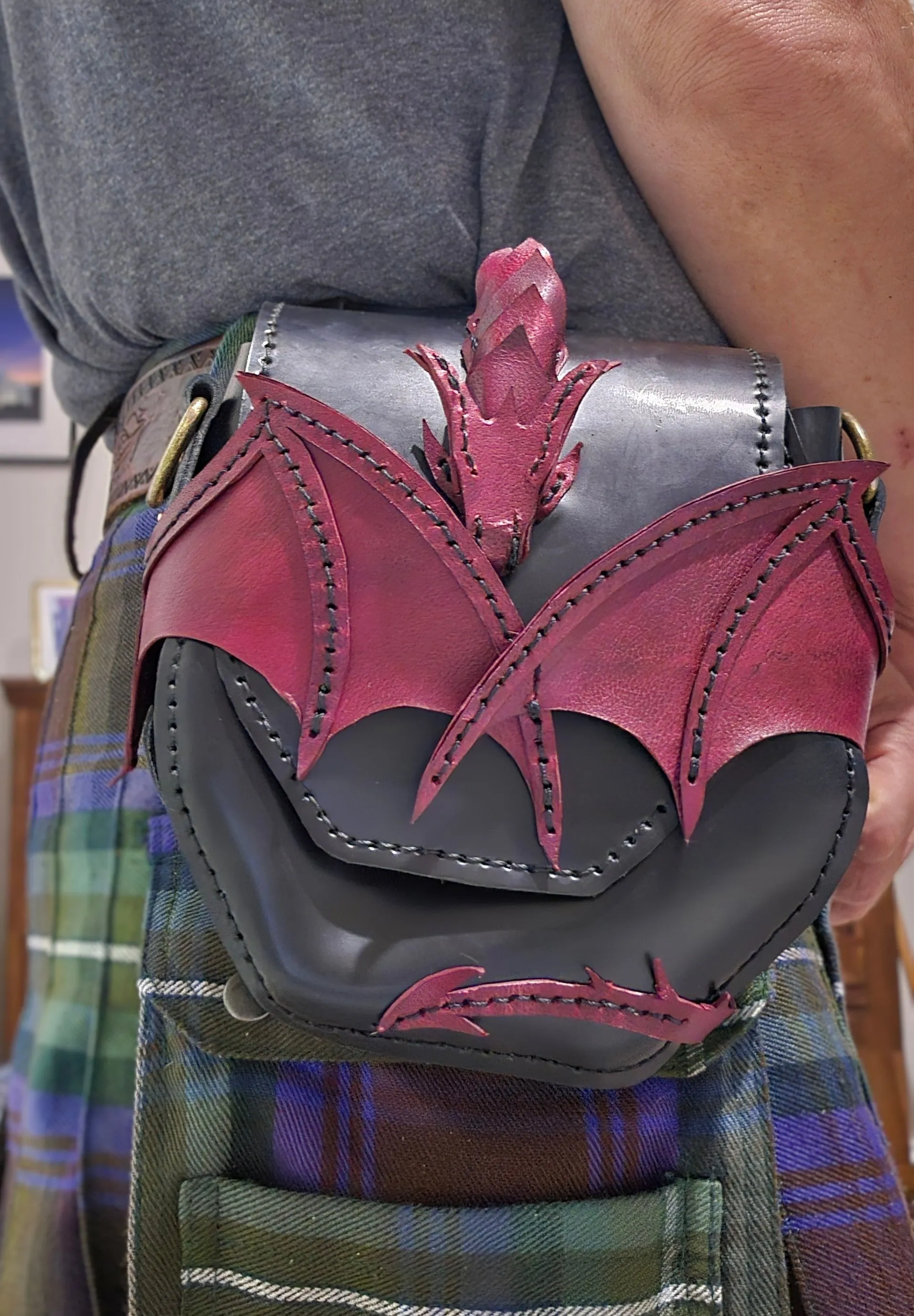
A water spot on leather is irritating because it can look like a problem the moment it appears. Usually, it is not a reason to panic or reach for the strongest cleaner in the cupboard. Leather changes when it gets wet: moisture can shift oils, leave a darker edge as it dries or make one area look different from the rest of the surface.
The best first move is gentle and a little boring. Blot the leather, let it dry naturally, then decide whether the mark actually needs attention. I would rather see a small honest bit of character than damage a good piece by over-cleaning it. Here is the calm way I approach a water stain on a wallet, belt pouch, journal cover or bag.
First, work out what you are looking at
A fresh water mark may look darker than the surrounding leather. As it dries, it can leave a tide line or a faint ring. On lighter, more natural leather, that contrast is easier to see. On a heavily finished or very dark piece, the mark may fade almost completely once the moisture has settled.
Before treating anything, make sure it is actually a water mark. Grease, ink, road salt and dye transfer need different care. If the leather feels tacky, smells unusual, has a coloured transfer or has been soaked through, skip the quick fixes. A careful cleaner or a leather professional is a better next step than guessing.
1. Blot, do not rub
Use a clean, dry, absorbent cloth to press gently on fresh moisture. Do not scrub. Rubbing can push water and surface oils farther into the leather, spread the edge of the mark and rough up the finish. The goal is simply to lift standing moisture before it has more time to move through the material.
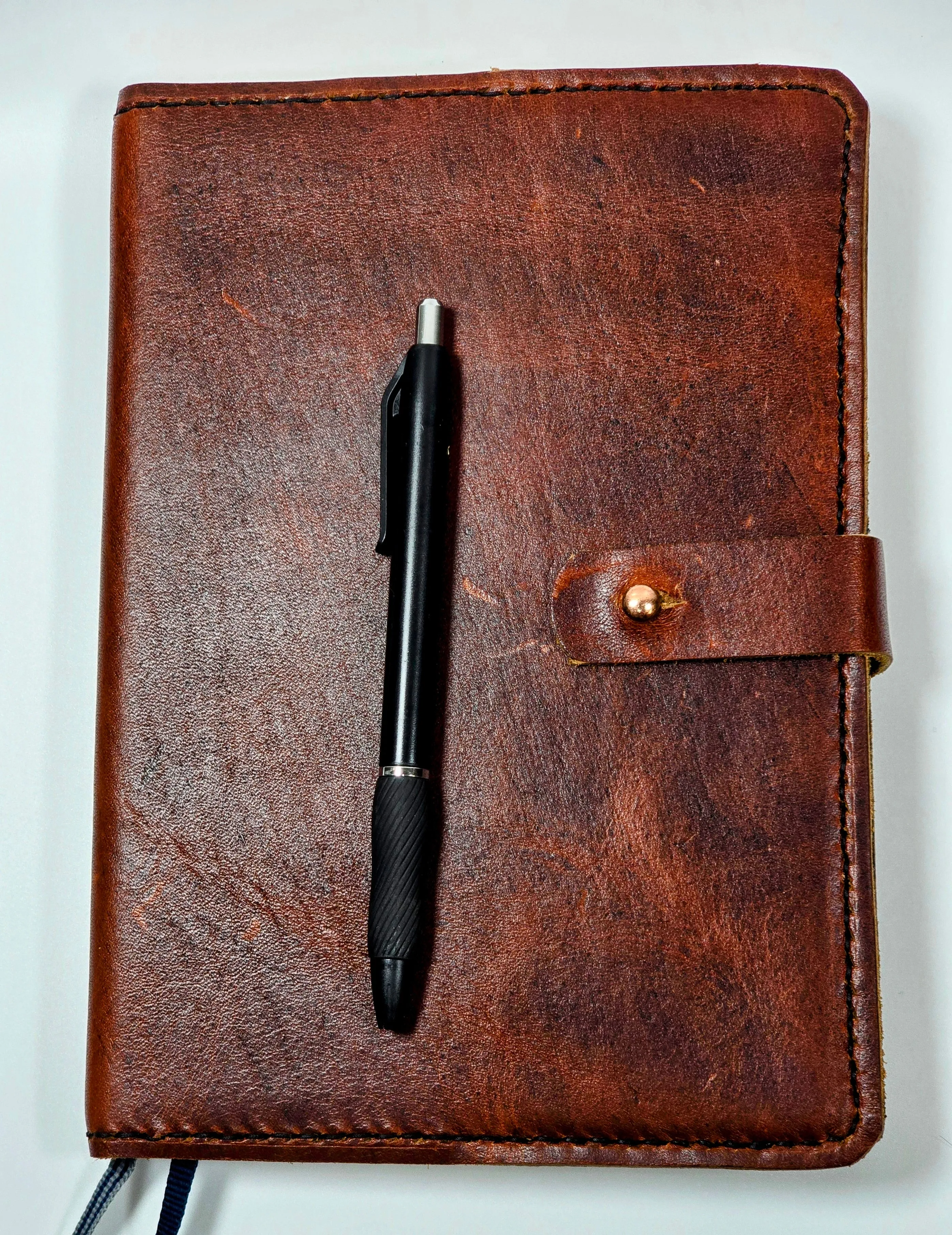
If the piece is a pouch or bag, empty it and open any flaps or pockets so air can circulate. For a leather journal cover, remove the notebook insert. Paper holds moisture close to the leather, and giving the two pieces space helps both dry more evenly.
2. Let the whole piece dry naturally
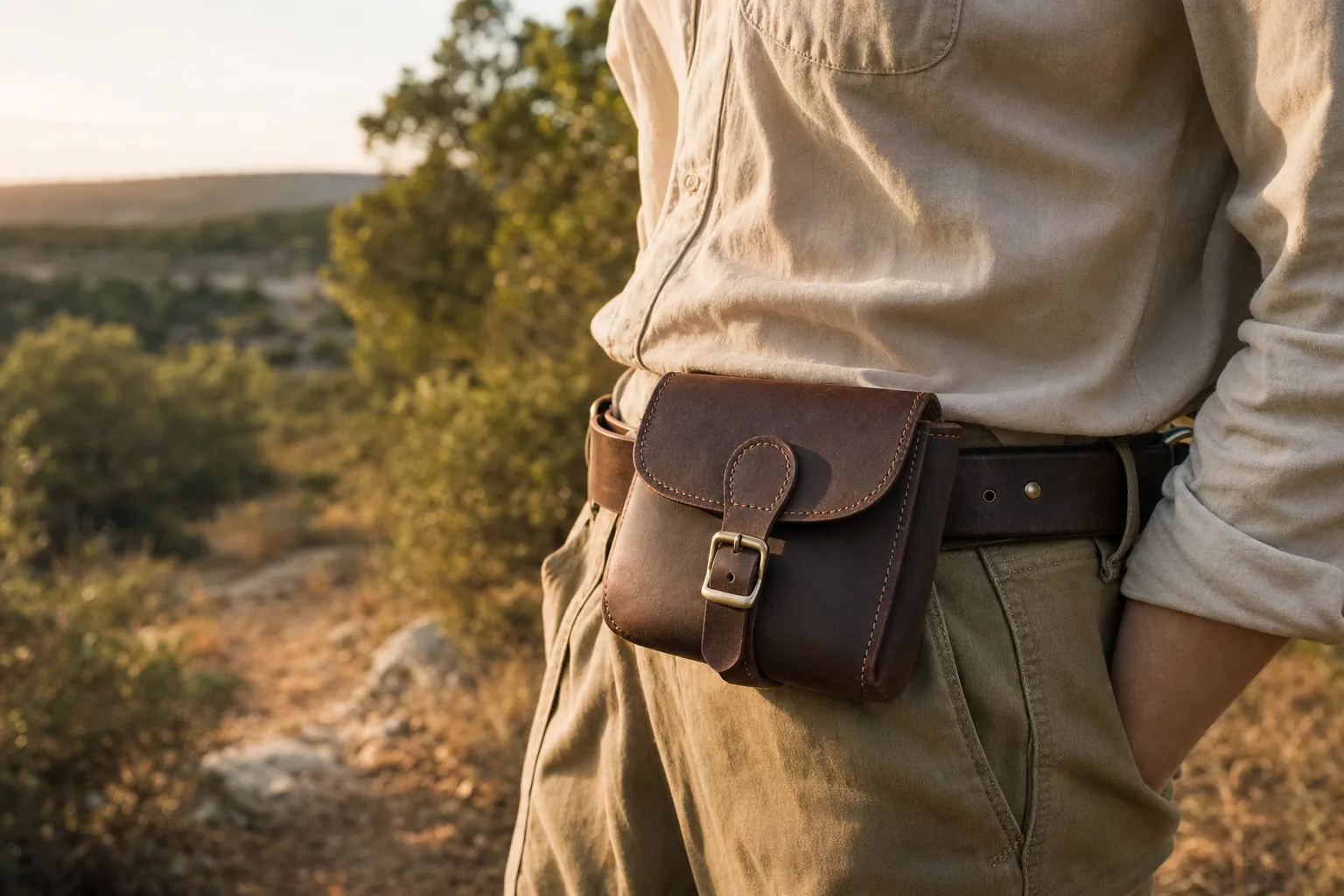
Set the item in a room with normal airflow, away from direct sun, radiators, hair dryers and heat vents. Fast heat can dry the surface before the rest of the leather has caught up, leaving it stiff or uneven. It can also make a temporary mark look more dramatic than it will after a full, slow dry.
Let the leather return to room temperature before you judge the result. A small splash may need only a few hours. A thoroughly wet piece can need a day or longer. Patience is doing real work here, even if it is not especially exciting.
3. If a ring remains, dampen the surrounding area evenly
For a light, plain water ring on smooth finished leather, a barely damp cloth can help soften the contrast. Test first on an inconspicuous spot. Then wipe very lightly across a broader area, working from the mark outward rather than soaking only the darkest edge. The idea is to let the surface dry more evenly, not to give the leather a second bath.
Use only clean water and a cloth that has been wrung out until it feels almost dry. Stop if colour lifts, the finish looks cloudy, the leather becomes overly dark or the mark is on suede, nubuck, unfinished leather or a specialty finish. Those surfaces need product-specific care.
4. Condition only after the leather is fully dry
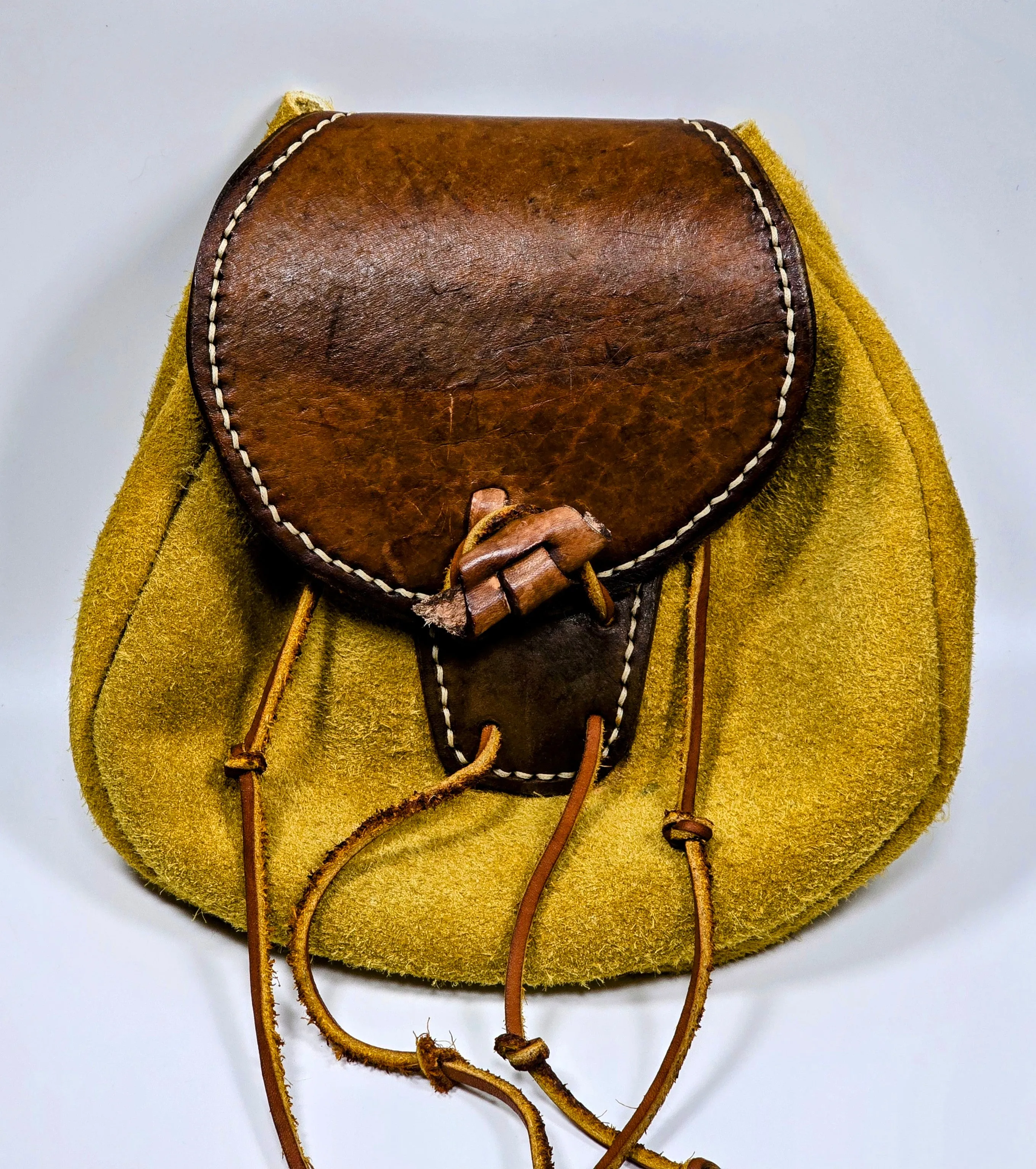
Once the leather is completely dry, feel it before adding anything. If it still feels supple and comfortable, leave it alone. If the wetting has left it dry, stiff or dull, apply a very light conditioner suited to that leather. Work a small amount over the surrounding panel, not only on the mark, so the finish stays balanced.
More conditioner is not better. Too much can darken leather, make it soft or sticky and create a new uneven patch where the old water mark used to be. Our guide to conditioning leather without overdoing it explains the simple signs that a piece genuinely needs it.
Know when to leave it to a professional
Call in help when leather has been soaked, has mold or a musty smell, has salt staining, or has a mark that keeps spreading after it dries. It is also wise to pause before treating a treasured vintage piece, a pale or unfinished hide, suede, nubuck, exotic leather or an item with a painted or metallic finish. A forceful home remedy can change those surfaces permanently.
For everyday full-grain leather, a faint water mark that does not affect strength or function is often just part of the material's story. The patina will keep developing through handling and use. If a piece keeps you organised and does its job well, a small imperfection does not make it less worth carrying.
A few habits that prevent the next mark
Keep leather away from wet countertops, open car windows and the bottom of a bag where a water bottle may leak. In real rain, put a journal cover or pouch inside a simple waterproof sleeve until the weather passes. A little planning protects the paper inside as much as the leather outside.
Regular, restrained care also helps. Brush off dust, let a damp piece dry slowly and use conditioner only when the leather needs it. If you enjoy the changing colour and softened edges that come from real use, our guide to natural leather patina is a good companion read. A well-made Highland Nomad is built for everyday carry, not for a life behind glass.
Frequently asked questions
Can water stains be removed from leather?
Often, a light water mark fades as leather dries naturally. If a faint ring remains on smooth finished leather, gently blending a broader area with a barely damp cloth may help. Test first, use very little moisture and stop if the finish changes.
Will water permanently stain leather?
Not always. Leather can darken while wet and then settle as it dries. Natural, light-coloured and unfinished leathers show moisture more readily, and a strong tide line may remain. That is why blotting, slow drying and restraint are safer than aggressive cleaning.
Can I use a hair dryer to dry wet leather?
No. Direct heat can leave leather dry, stiff or uneven. Blot excess moisture and let the item dry at room temperature with good airflow instead.
Should I condition leather after it gets wet?
Only after it is fully dry, and only if it feels dry or stiff. A thin coat of a suitable conditioner can help restore comfort, but over-conditioning can darken leather or leave it sticky.
What should I do if suede gets a water stain?
Do not treat suede like smooth leather. Let it dry naturally, then use a suede brush according to the item's care instructions. For a noticeable stain or a valued piece, consult a suede or leather-care professional.
Keep reading
More from the journal.
How to Clean Leather: A Gentle 5-Step Guide
Learn how to clean leather without overdoing it, what to avoid, and when a handmade pouch, bag or cover needs professional help.
Read the guide ↗
Handmade Leather Goods Secrets Revealed: How to Get the Perfect Patina
What leather patina really is, how it develops, and the simple habits that help a well-made piece gain character naturally.
Read the guide ↗