Adventure Journaling
A5 vs. A6 Notebook Size: Dimensions, Differences and Which to Choose
Compare A5 vs. A6 notebook dimensions in inches and millimeters, writing space and portability, then choose the size that fits your routine.

A5 and A6 are close enough in name to sound interchangeable, but they ask very different things of a notebook. A5 is the familiar middle ground: enough page for a meeting, journal entry, sketch or plan, while still fitting comfortably into a day bag. A6 is smaller, about the size of a postcard, and earns its place when quick notes and light carry matter more than a generous writing surface.
The right choice starts with the day you want the notebook to survive. A book that stays on a desk can be larger. One that needs to fit in a jacket pocket, a small purse or a belt pouch needs a different kind of discipline. Compare the real dimensions, think about how you write, then choose a cover around the notebook you will honestly use.
A5 and A6 are standard paper sizes
The A-series paper system keeps the same proportions as it changes size. Standard A5 paper measures 148 by 210 millimeters, or about 5.8 by 8.3 inches. A6 measures 105 by 148 millimeters, or about 4.1 by 5.8 inches. In other words, an A6 page is half the size of an A5 page. Those familiar A-series labels describe the paper system, so they give you a reliable starting point before you compare finished notebook dimensions.
Those measurements describe the paper, not every finished notebook. A notebook can gain a few millimeters from a hard cover, thick binding, rounded corners, an elastic band or a pen loop. That difference rarely matters for a loose notebook in a tote, but it matters a great deal when you are choosing a fitted leather cover. Measure the closed book you plan to carry, not only the label on its packaging.
A5 gives you room to think on the page
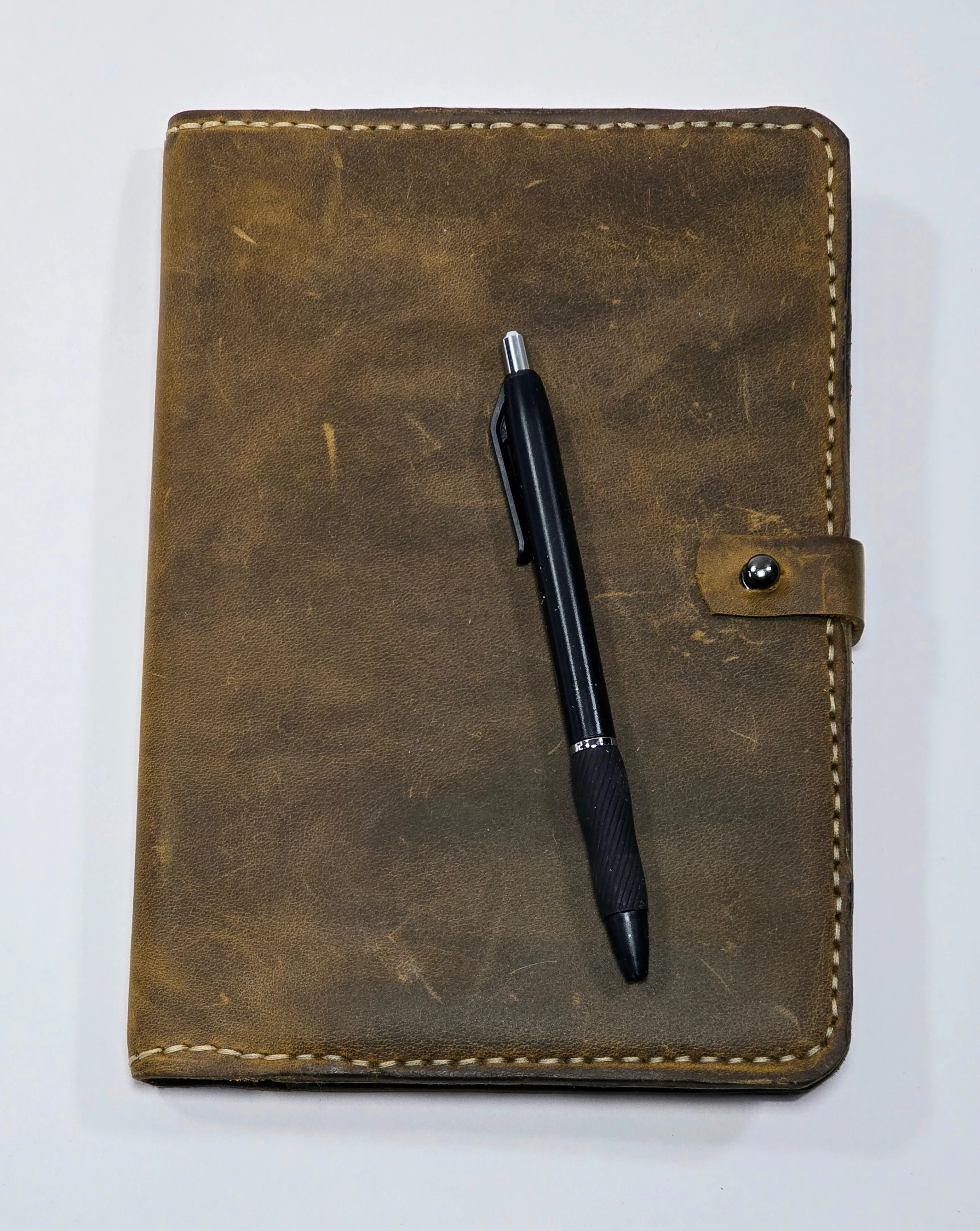
A5 is a strong choice when you want a notebook to handle more than one kind of writing. It has enough space for a full page of notes, a daily plan with room to revise, a travel entry, a recipe, a meeting outline or a small sketch. It is large enough to feel useful at a desk but not so large that it takes over a cafe table or a day bag.
People who write with larger handwriting, draw diagrams or keep several related ideas on one page often prefer A5 because it reduces the need to turn pages constantly. It also suits a notebook that stays beside a laptop. You can fit a list, notes and a few follow-up tasks on the same spread without feeling boxed in. The tradeoff is simple: more page means more bulk.
A6 wins when carrying it matters more than filling it
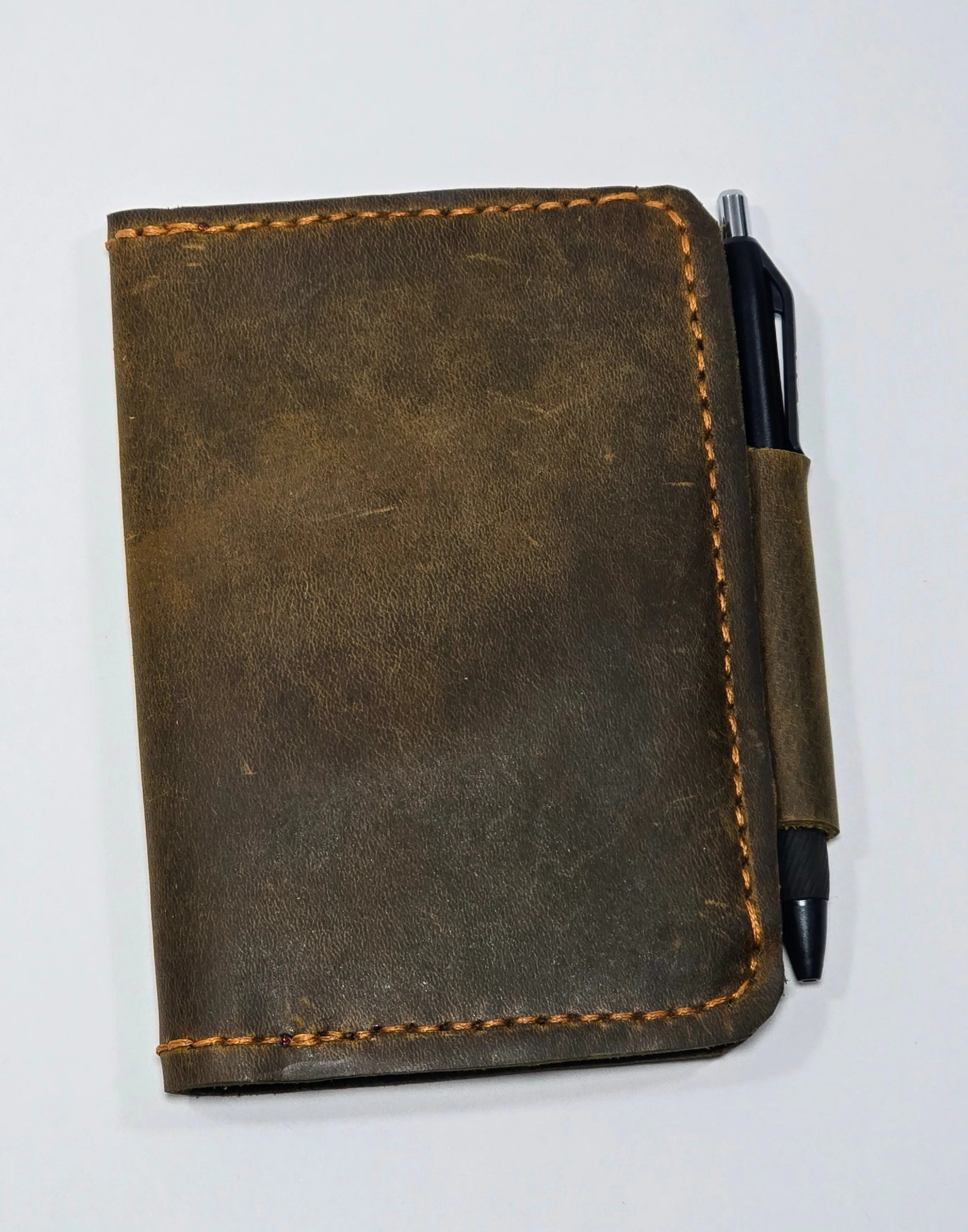
A6 is small enough to be genuinely easy to bring along. It works well for a daily pocket notebook, a travel log, quick lists, field notes, grocery reminders, ideas that arrive at inconvenient moments and short journal entries. It is a useful choice for anyone who has a drawer full of larger notebooks that never left the house.
The smaller page asks for a lighter style of use. You may write one thought, a short list or a few details rather than a full page of dense notes. That is not a weakness. A compact notebook can make writing feel more approachable because it does not demand an essay every time you open it. When the point is to notice and capture, A6 can be exactly enough.
Do not confuse A sizes with U.S. notebook names
A5 and A6 are international paper standards, so they do not line up perfectly with every notebook name used in the United States. A5 is close to, but not the same as, a U.S. half-letter page. A6 is often described as pocket-sized, but different manufacturers use that label for books with different outside dimensions. The name can get you into the right neighborhood. It cannot guarantee a fitted cover.
This is especially important when you are buying a gift or ordering a leather cover online. Look for the finished height, width and thickness in the product description. If the notebook maker lists only the paper size, compare a ruler to the actual book when it arrives. It takes a minute, and it prevents the familiar disappointment of discovering that an almost-right cover is still not pleasant to use.
Think about where the notebook will live
Before choosing a size, test the spaces where the notebook needs to fit. An A5 book slips easily into many totes, backpacks and larger purses, but it may be awkward in a small shoulder bag or a belt pouch. An A6 book fits more places, including coat pockets and compact bags, although a thick hardcover can still add noticeable bulk.
A paper test is useful when you are deciding between sizes. Cut rectangles at A5 and A6 dimensions, then place them in the bags, pockets and desk spaces you use. Hold each one as you would while standing, sitting or writing on your lap. The better size usually becomes obvious when you stop comparing specifications and start imagining the ordinary places it has to go.
Choose a binding that suits the cover
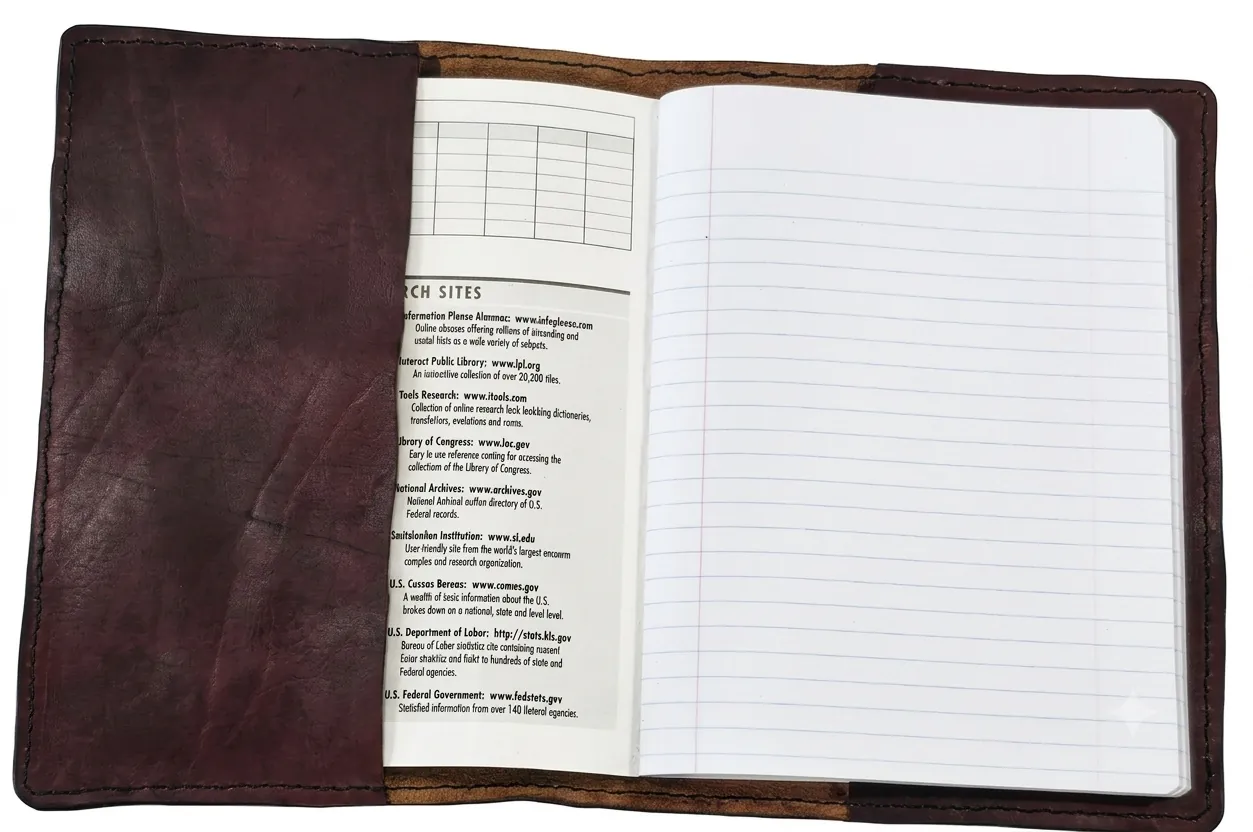
A stitched or glued notebook usually has a clean outer edge that slides easily into a leather cover. Spiral, disc-bound and ring-bound notebooks can be wonderfully practical, but their hardware changes the width and can catch on a close sleeve. Measure the widest point, including the coil or discs, and make sure the cover has room to open naturally.
Thickness matters as much as height and width. A slim A5 notebook can feel easy to carry, while a thick A6 notebook full of heavy paper, pasted notes and an elastic closure may be less compact than you expect. If you regularly add tickets, photos or folded pages, allow room for the notebook to grow. A leather cover should hold the book securely, not squeeze it into shape.
Let your writing style make the choice
A5 has room for people who think on the page. If you draw arrows between ideas, make columns, keep project notes beside a task list or want to paste in a receipt without covering half the entry, the larger format is less restrictive. It also works better when you use broad pens, make larger sketches or prefer to see a full thought without turning the page.
A6 rewards a tighter habit. It is ideal for a short daily record, a pocket list, a single observation from a trip or the kind of note you need to make before it slips away. Some people keep an A6 notebook for capture and an A5 notebook for longer reflection. That pairing works well when you want the smallest possible book with you and a larger page waiting at home.
Start with the notebook, then fit the leather around it
A leather cover is most satisfying when it supports a notebook you already enjoy. The A5 notebook-cover size guide walks through measuring the finished book for a close fit, while the composition notebook-cover guide shows how the same rule applies to larger formats. The notebook comes first because it is the part you replace and fill.
For a standard A5 setup, The Chronicler's Cover gives a favorite notebook a durable home. For lighter carry, the Mini Leather Journal Cover is a better place to begin. If the notebook has unusual dimensions, a thick binding or personal details that affect the fit, the custom order page is the right place to share measurements and how you use it.
A quick decision rule
Choose A5 when you want room for planning, journaling, meeting notes, sketches or travel observations and you normally carry a bag with a little space to spare. Choose A6 when you want a notebook that can come everywhere, when lists and short notes are your main use, or when keeping the carry light will make you reach for it more often.
Try a final reality check before you buy. Picture the last note you made that you wanted to keep. Was it a full page of planning, a sketch, a travel entry or a short reminder made while standing up? That one small memory is usually more useful than a long feature list. Choose the format that would have made that note easier.
There is no wrong size when the notebook fits your real routine. A5 feels like a small workspace you can take with you. A6 feels like a dependable place to catch the details before they disappear. Pick the one you will use, measure the finished notebook and let the leather cover become the durable part that carries on after the pages are full. The best setup is the one that lowers the small barrier between noticing something and writing it down, whether that happens at your desk, on a train or outside for the day. A notebook earns its space by being close enough for the small plans, measurements, names and observations that would otherwise be lost before you return home.
Frequently asked questions
Is A5 twice as big as A6?
Yes. An A6 sheet is half the area of an A5 sheet. A5 gives you more room for sustained writing and sketches, while A6 is easier to carry in compact spaces.
Is A6 large enough for journaling?
It can be. A6 works well for short entries, observations, lists and daily reflections. Choose A5 instead if you prefer longer entries, wide handwriting or room for sketches and keepsakes.
Will an A6 notebook fit an A5 leather cover?
It may fit loosely, but it will not feel like a purpose-made setup. A cover should hold the notebook securely without allowing it to slide around, so choose a cover made for the finished notebook size.
Are all A5 notebooks the same size on the outside?
No. A5 describes the paper size. A finished notebook can be larger because of cover material, binding, page count, elastic closures or added pockets. Measure the closed notebook before choosing a fitted cover.
Keep reading
More from the journal.
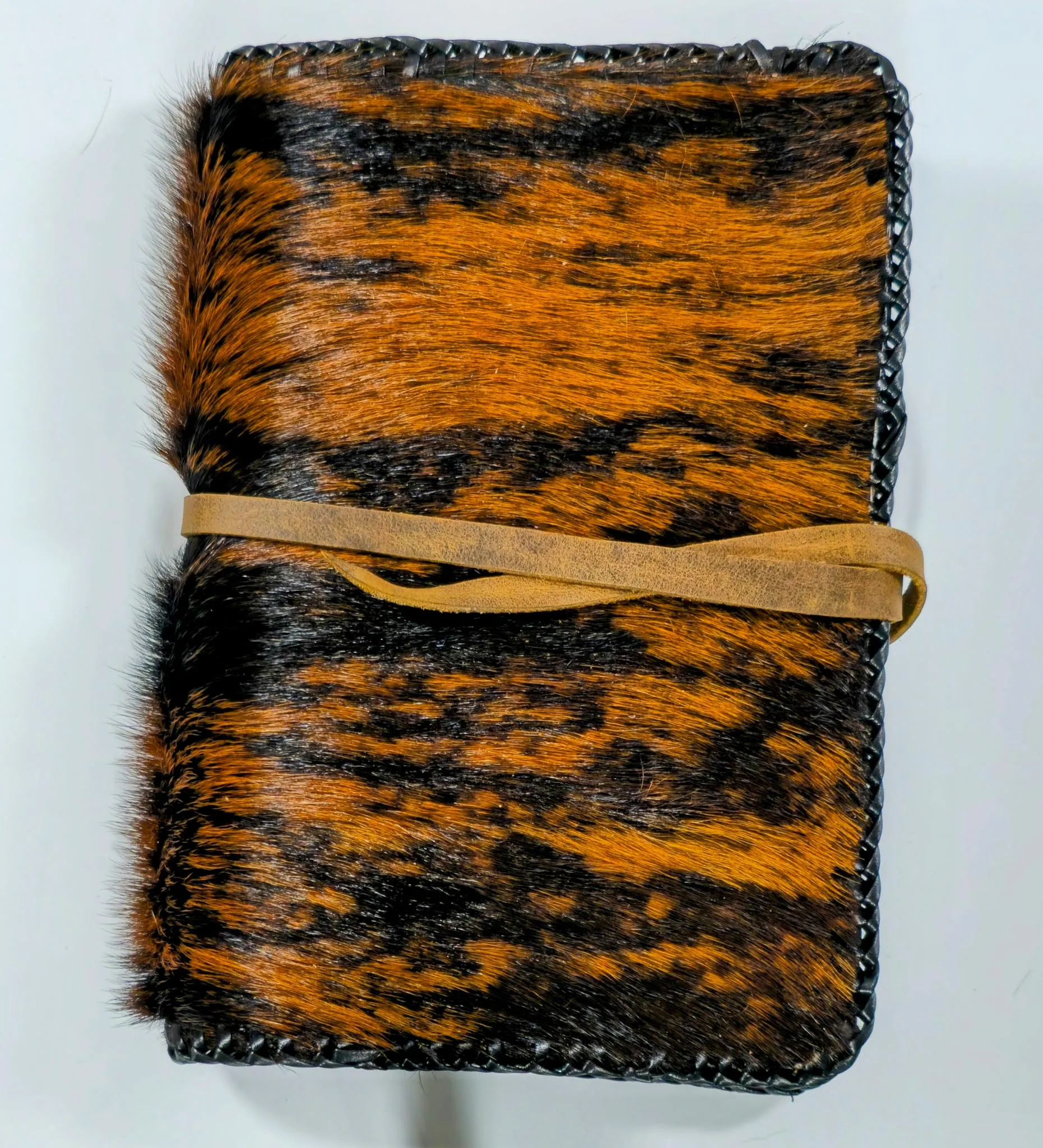
How to Make a Leather Journal Cover: A Maker’s Starter Guide
A practical introduction to planning, cutting and finishing a simple leather journal cover, with the measurements and mistakes worth understanding before you begin.
Read the guide ↗
The Best Gifts for Writers, Travelers and Tabletop Gamers
Thoughtful handmade leather gift ideas for people who write, roam, roll dice and keep the good details close.
Read the guide ↗