Adventure Journaling
A5 vs. B6 Notebook: Which Size Fits Your Day?
Compare A5 and B6 notebook dimensions, writing space, portability and leather-cover fit before choosing the size you will actually use.

A5 and B6 sit close enough that choosing between them can feel fussy, until you use one for a week. A5 is the larger page, B6 is the more compact companion. Neither is automatically better. The right choice comes down to what you write, where you write, and whether the notebook has to earn space in the bag you carry every day.
The quick answer is this: choose A5 when you want room for longer notes, planning spreads and sketches. Choose B6 when you want a lighter book that still gives more breathing room than a pocket notebook. Before you order a fitted leather cover, measure the closed book rather than trusting the size printed on its listing. Binding, paper count, elastic and pen loops can all change the real fit.
A5 vs. B6 dimensions at a glance
A standard A5 page measures 148 by 210 millimeters, or about 5.8 by 8.3 inches. ISO B6 measures 125 by 176 millimeters, or about 4.9 by 6.9 inches. That makes A5 23 millimeters taller and 33 millimeters wider. It does not sound dramatic on a spec sheet, but the wider A5 page gives noticeably more room for a full line of writing, a meeting outline or a sketch with notes beside it. The ISO paper-size chart from Brother lists both formats in millimeters and inches.
B6 is not a half-size A5. It is a distinct format with a different feel in the hand. It is large enough for a real daily page, but its smaller footprint makes it easier to carry through a workday, a trip or a walk. One useful caveat: many Japanese B6 notebooks measure about 128 by 182 millimeters rather than ISO B6's 125 by 176. That difference is small for writing and important for a close leather sleeve or pocket.
Writing space: when A5 earns its extra room
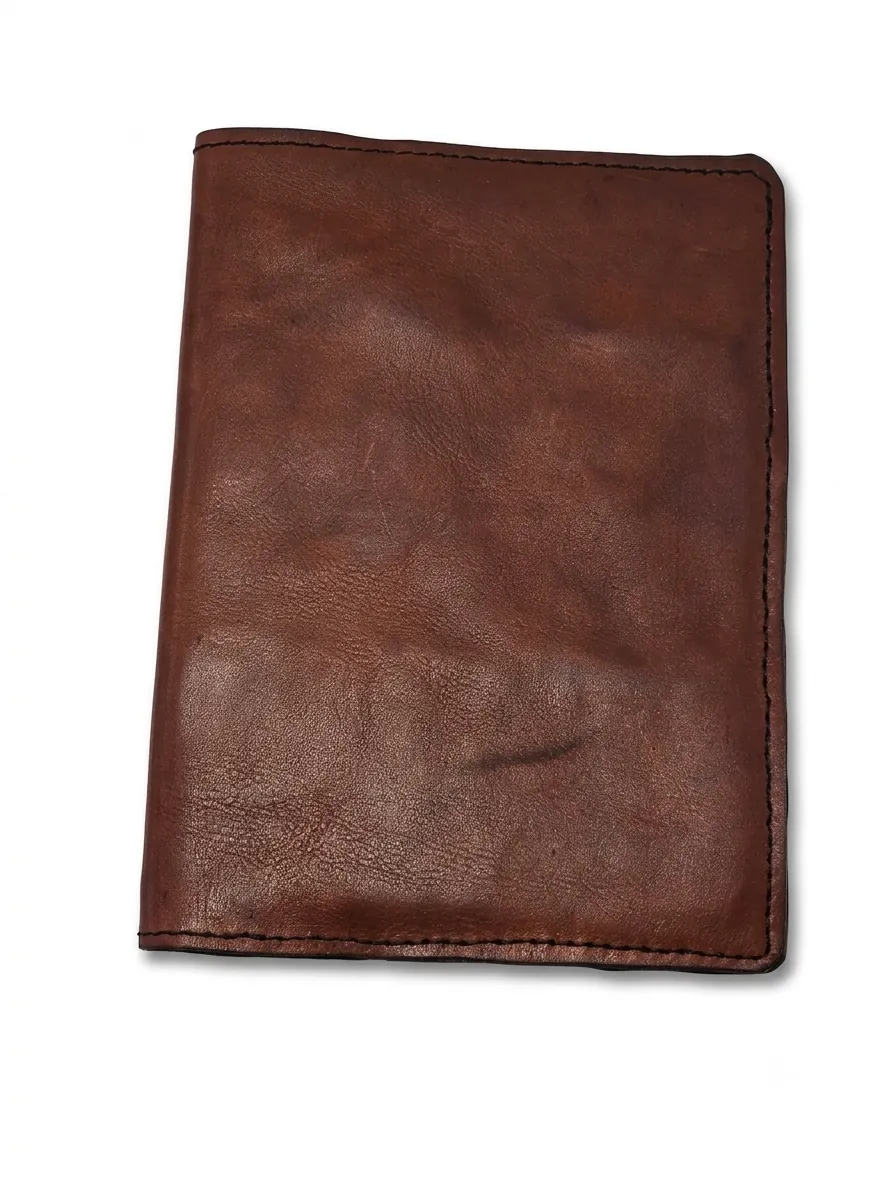
A5 is the calmer choice when a notebook needs to hold more than quick reminders. It gives a planner spread room to breathe, makes it easier to keep a task list beside project notes, and leaves enough space for a longer journal entry without constantly turning pages. If you tend to outline ideas, draw rough diagrams, paste in a ticket or make a daily record, the bigger page reduces the urge to compress everything into tiny handwriting.
That is why A5 works well as a home-base notebook. It is substantial without becoming a desk pad, and it is widely available in ruled, dot-grid and blank formats. If you are also choosing a fitted cover, read the A5 notebook-cover size guide first. The page size is only the starting point. A hard cover, thick paper stock and a full notebook can make the outside dimensions considerably larger.
Think about page turns, too. A5 gives you more room to leave a list open while you write beside it, or to return to a prior spread without breaking your concentration. That small comfort matters when the notebook supports work you revisit over several days. If your notes usually build toward a decision, a plan or a finished idea, A5 gives them more room to develop before the binding gets in the way.
Portability: why B6 often gets used more
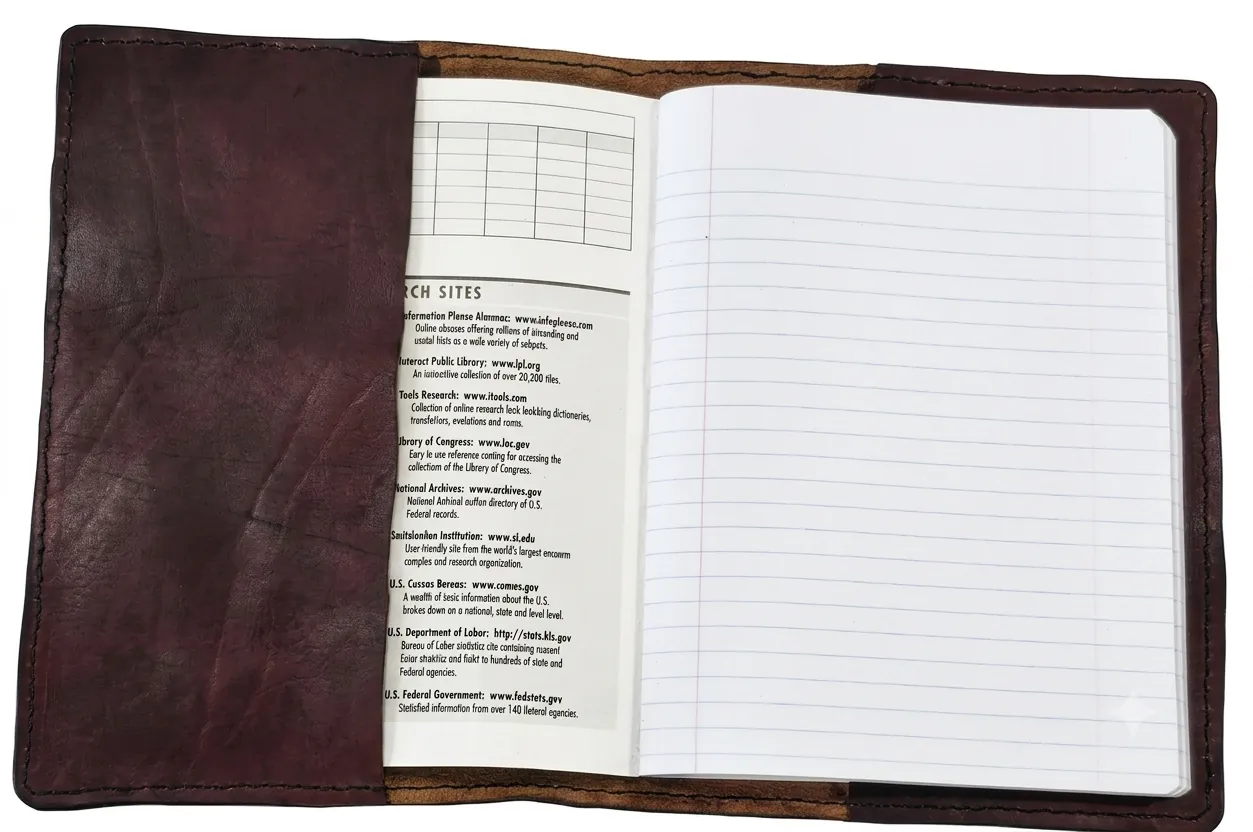
B6 is the useful middle ground for people who want more room than A6 but do not want A5 taking over a smaller bag. It feels at home in a day bag, a larger coat pocket or alongside a wallet and phone. The reduced width also makes it comfortable to hold while standing, which matters when notes happen in a café, at a market, in a waiting room or on a trip rather than at a desk.
The tradeoff is simple: a B6 page fills sooner. That is not a flaw if you write short daily entries, keep one list at a time, carry a compact planner or prefer a notebook that feels easy to open on the move. It can become frustrating if every entry needs a long outline, a detailed sketch or a dense calendar layout. The best test is ordinary use, not an empty-book comparison. Write a normal page and notice whether you want more room or less bulk.
B6 also invites a useful kind of restraint. A smaller spread encourages you to identify the next action, the essential observation or the one idea worth keeping instead of recording every loose thought. That can be a welcome discipline for an everyday notebook. The point is not to make your notes smaller. It is to choose a format that feels friendly enough that you actually make them.
Compare the formats around your actual routine
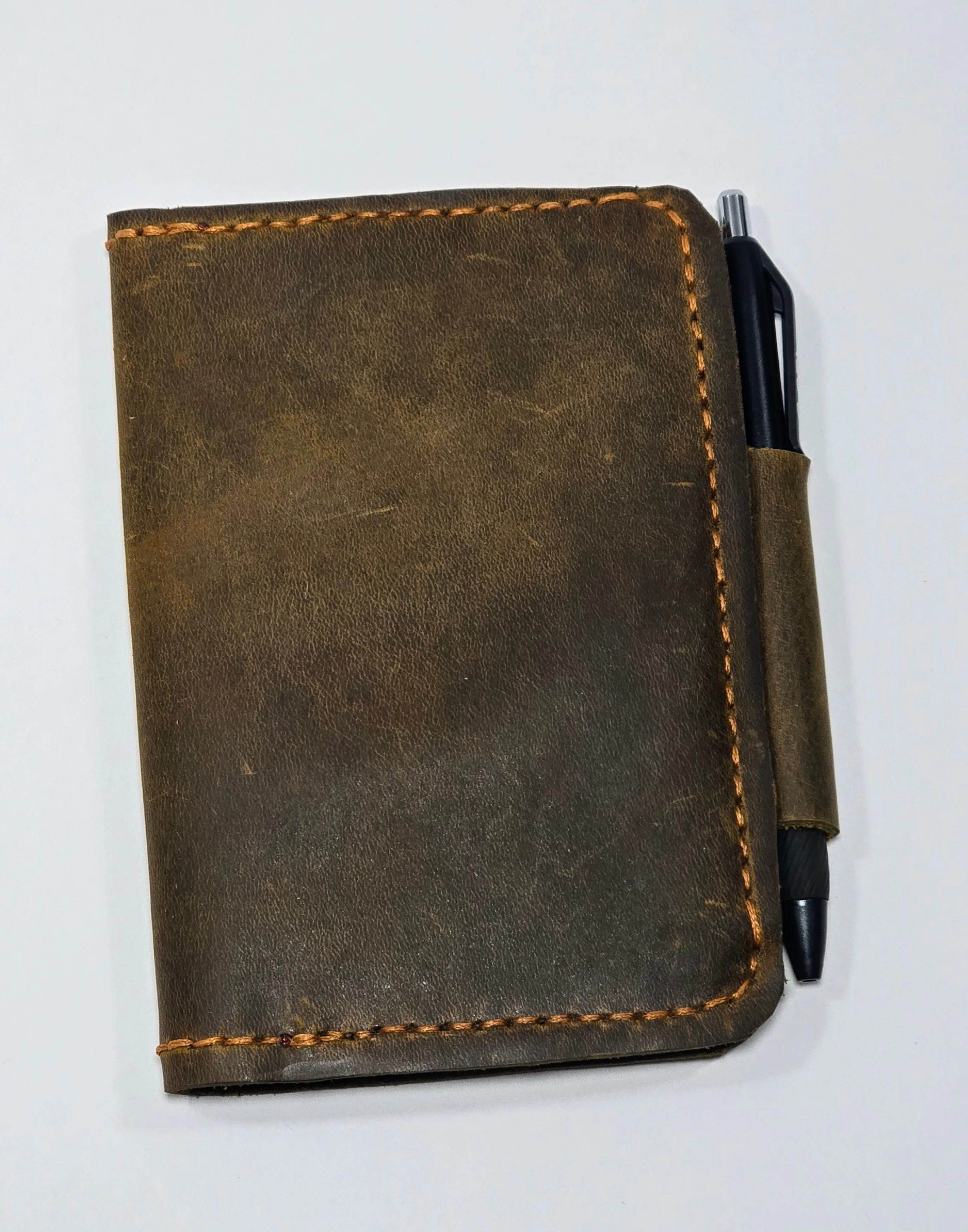
Choose A5 if your notebook regularly stays open beside a keyboard, on a kitchen table or at a workbench. It is the more comfortable format for project planning, class notes, travel journaling with tickets and photos, and handwriting that naturally runs large. It also makes sense when the notebook is your one place to keep the day together, because there is room to review yesterday's notes without losing today's task list.
Choose B6 if carrying the notebook is the hard part. It is a strong choice for quick notes, a focused planner, personal journaling, reading notes and a small creative practice. It is also a sensible companion book when an A5 notebook already lives at home or work. You do not need one format for every job. A B6 book can catch ideas while you are out, then the few ideas worth expanding can move into an A5 notebook later.
Paper, binding and accessories change the real size
A notebook's stated format describes its page, not always the object that has to fit inside leather. A spiral binding adds width. A hardcover projects past the paper edges. Fountain-pen-friendly paper can create a thicker spine, and elastic, tabs and a pen loop add their own demands. Kakimori's B6 notebook specification, for example, lists a finished size of 137 by 183 millimeters including its spiral binding, which is wider than a plain B6 page. That is exactly why a cover should be chosen around the finished book.
Close the notebook naturally and measure its height, width and spine thickness. Include the cover, binding, pen loop and anything you normally keep tucked inside. Then compare those numbers with the maker's stated interior fit. A leather cover should protect the book without pulling at its corners or making page turns feel like work. For an unusual size or a notebook that grows through the year, the custom notebook-cover page explains the details worth sharing before a cover is made.
It is worth checking the notebook after it has been used for a while. A planner becomes thicker once it holds receipts and notes. A journal gains bulk from tucked-in photographs and folded pages. A flexible wrap can accommodate some change, while a close pocket-style cover needs enough allowance from the beginning. The best fit feels considered on an ordinary full day, not only when the notebook is new and empty.
A simple leather-cover decision
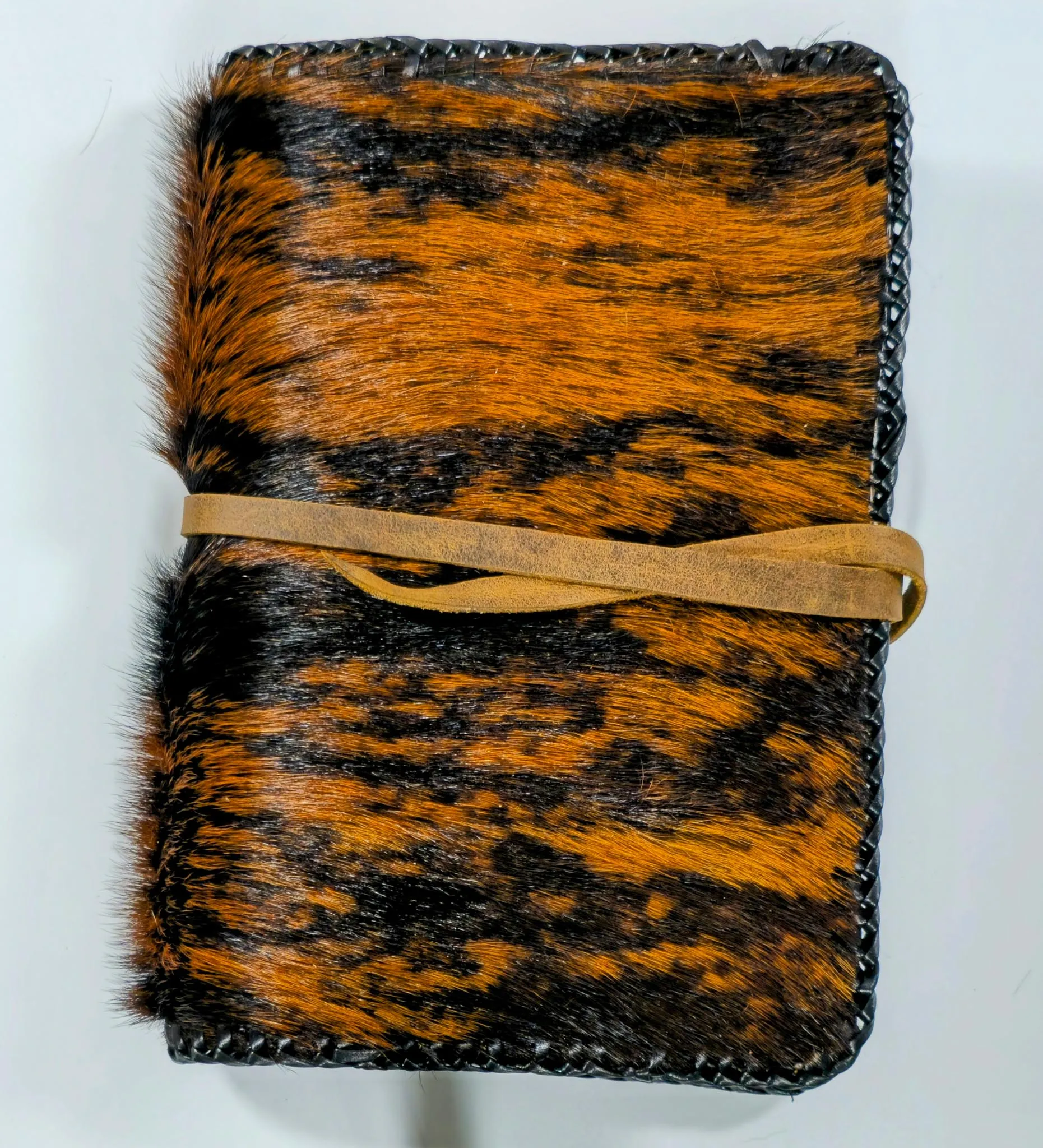
For a standard A5 notebook, The Chronicler’s Cover gives the familiar format a durable, refillable leather home. It is a good fit for writers and planners who want a larger page without giving up the pleasure of carrying something made to age well. When B6 is the format that actually stays in your bag, a smaller ready-made cover may be the better starting point, provided the finished measurements agree.
Do not force a favorite notebook into a close-enough cover. Start with the book you already reach for, measure it honestly and choose leather around that reality. A good cover should make the notebook easier to bring along, easier to open and more enjoyable to return to after the paper is full.
The practical choice
Pick A5 when the page itself is the priority. It gives you more working space, better support for longer writing and a more flexible canvas for planning. Pick B6 when the notebook needs to travel easily and still feel generous enough for a proper daily entry. Both sizes can become a long-term companion when the paper, binding and cover suit the way you use them.
If you are still undecided, make two paper stand-ins at the dimensions you are considering. Put each into your everyday bag, hold it where you normally write and make the same short list on both. The format that disappears into your routine is usually the one worth covering in leather.
Give the test a few ordinary days. Take notes while standing, write an end-of-day list, bring it in the bag you use most and see which size you choose without being reminded. The better notebook is not the one that wins a measurement chart. It is the one that keeps your plans, observations and pages close enough to become part of the day.
Frequently asked questions
Is A5 bigger than B6?
Yes. Standard A5 measures 148 by 210 millimeters, while ISO B6 measures 125 by 176 millimeters. A5 is both taller and wider, so it provides noticeably more writing space.
Is B6 a good notebook size for everyday carry?
Yes. B6 is a practical middle size for daily notes, planners and personal journaling because it offers more room than a pocket notebook while remaining easier to carry than A5.
Will a B6 leather cover fit every B6 notebook?
Not necessarily. ISO B6 and Japanese B6 differ slightly, and the finished dimensions can change with hard covers, spiral bindings, thick paper, pen loops and elastic. Measure the closed notebook before choosing a fitted cover.
Should I choose A5 or B6 for journaling?
Choose A5 when you prefer longer entries, larger handwriting, sketches or planning spreads. Choose B6 when you want a lighter journal that is easier to carry and your writing usually stays concise.
Keep reading
More from the journal.
B6 Notebook Size: Dimensions, A5 Comparison and Cover Fit
Learn B6 notebook dimensions, the difference between ISO and Japanese B6, and how to choose a cover that fits the book you actually carry.
Read the guide ↗A5 Notebook Cover Size: How to Get the Fit Right
Measure an A5 notebook the practical way, account for thickness, and choose a leather cover that fits without fighting the pages.
Read the guide ↗
A5 vs. A6 Notebook Size: Dimensions, Differences and Which to Choose
Compare A5 vs. A6 notebook dimensions in inches and millimeters, writing space and portability, then choose the size that fits your routine.
Read the guide ↗