From Eric’s Workbench
Handmade Leather Goods Secrets Revealed: How to Get the Perfect Patina
What leather patina really is, how it develops, and the simple habits that help a well-made piece gain character naturally.
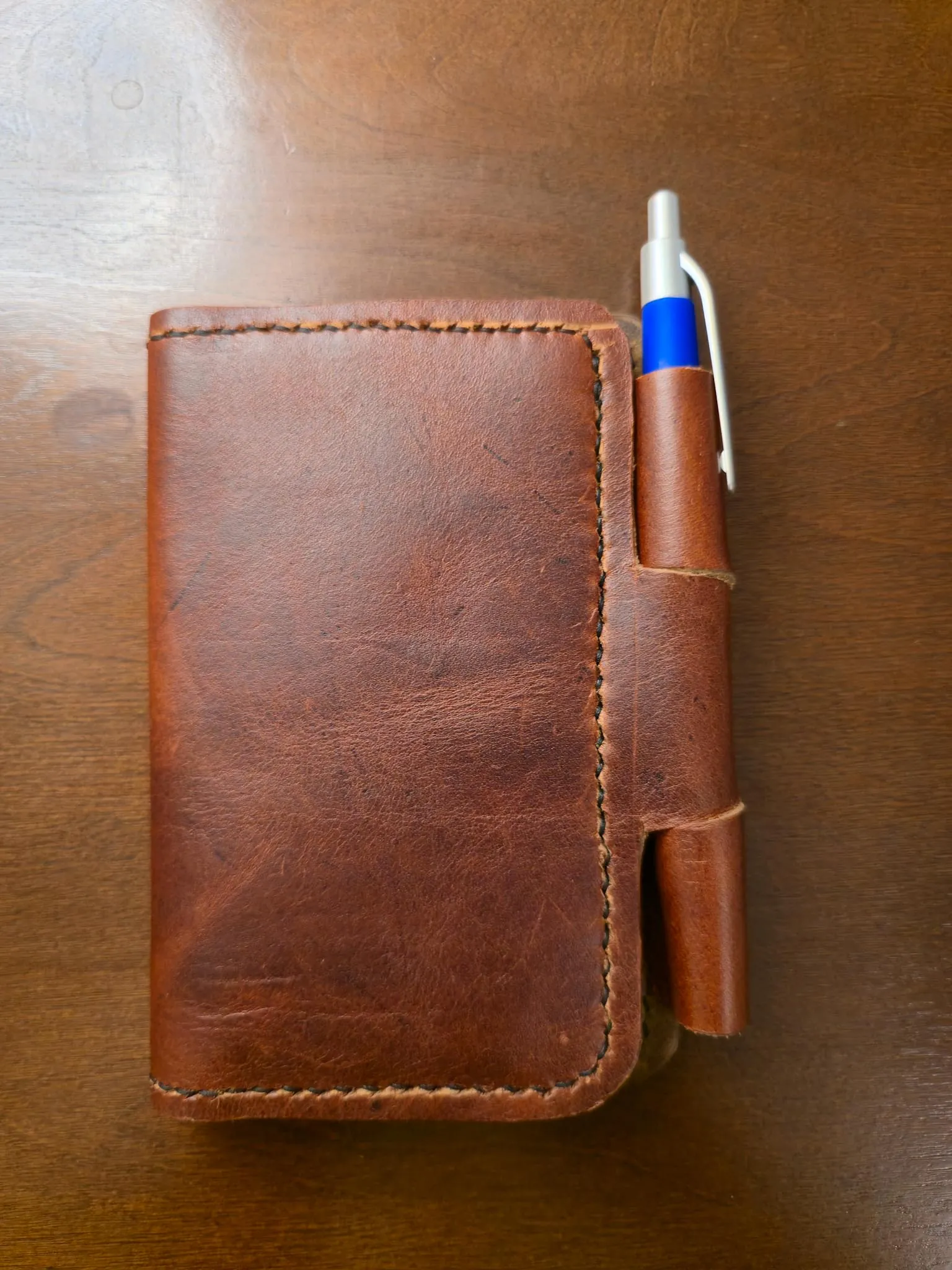
Hi, I’m Eric. If you have spent much time around quality leather goods, you have probably heard the word “patina.” It is that rich, softened, lived-in look that makes an old wallet or a favorite journal cover feel better than it did on day one.
It is also one of the most misunderstood parts of leather. Patina is not dirt, and it is not a finish you buy in a jar. It is the slow record of use: where your hand rests, where the leather bends, where the sun catches it, and where a piece goes with you. The good news is that you do not have to wait twenty years to see the beginning of it. You just have to give the right leather a real life.
What leather patina actually is
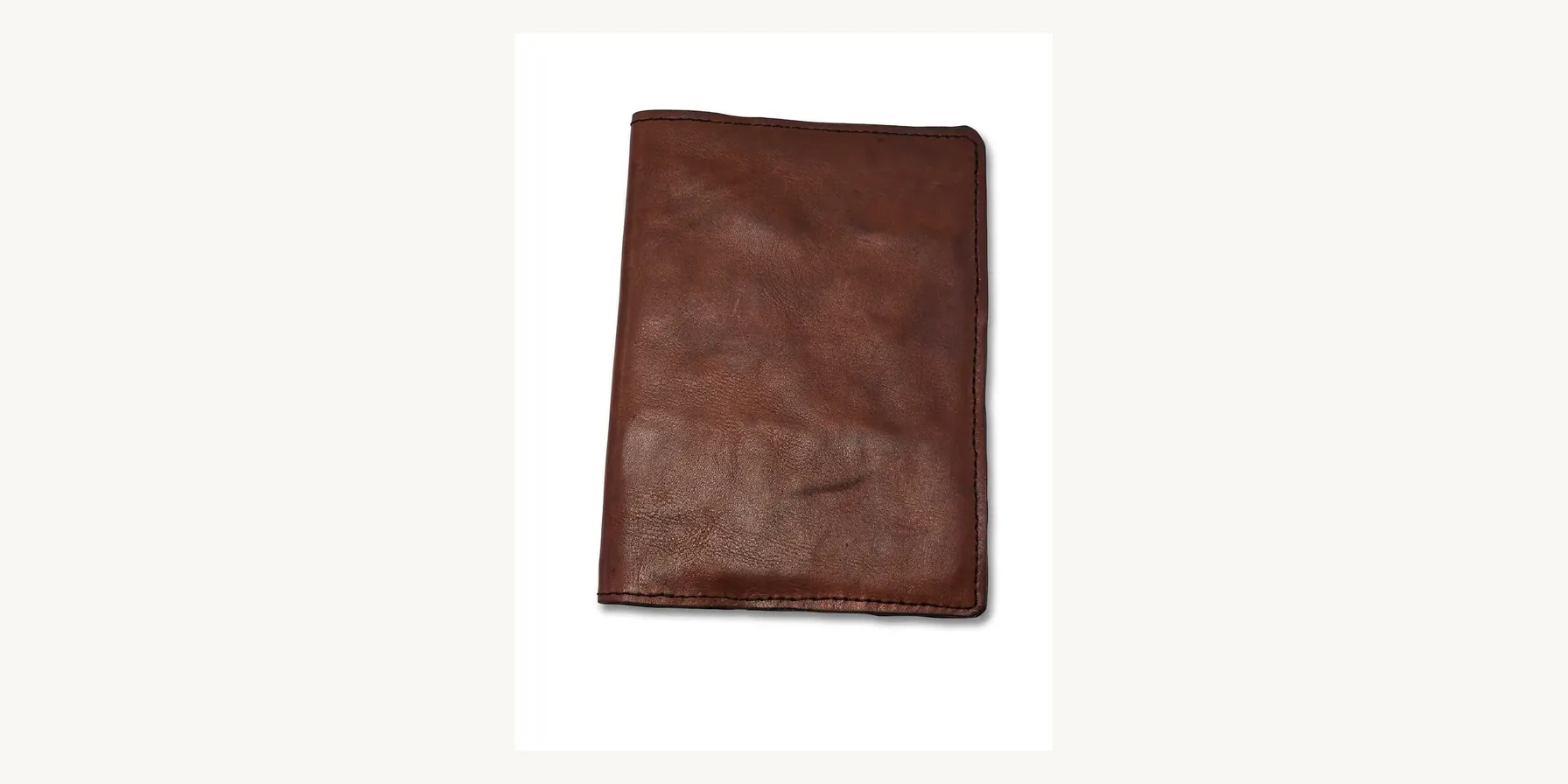
Patina is the natural change in color, texture and sheen that develops as leather meets the world. A new piece may start out even-toned and a little matte. With use, high-touch areas gradually gain depth. Edges soften. The grain picks up a quiet glow. A scratch that once looked sharp can settle into the surrounding character rather than shouting for attention.
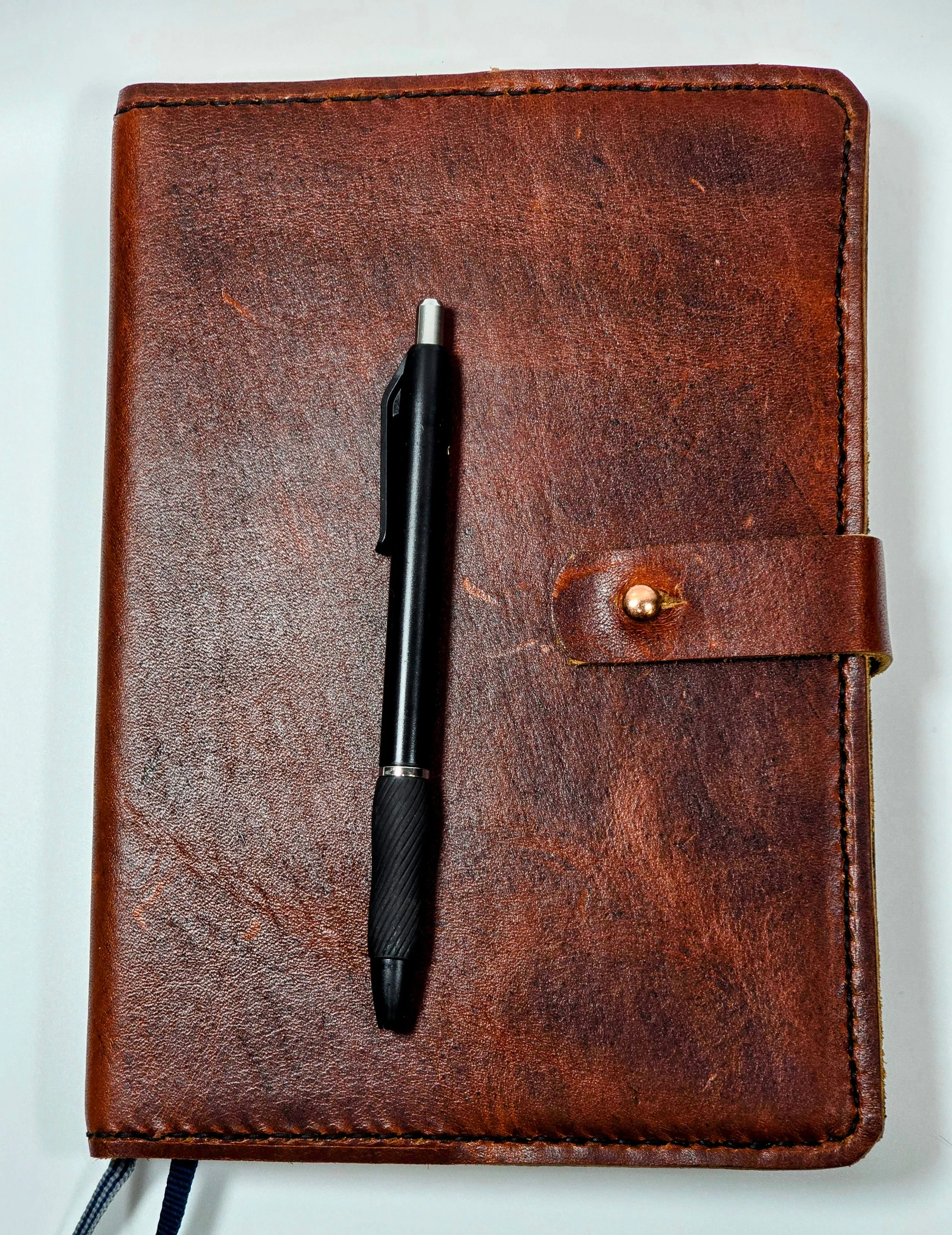
Every piece tells a slightly different story. Your Chronicler’s Cover may darken first along the flap and spine because that is where your hand returns while you write. A wallet can polish at its fold and corners. The handles on a tote may deepen sooner than the broad side panels. The pattern comes from your habits, not a factory formula.
How a good patina forms
There are a few quiet forces at work. First, natural oils from your hands transfer during ordinary handling. Then there is friction: the motion of opening a wallet, lifting a bag or sliding a journal in and out of a pack gently polishes the surface over time. Light and air can shift the tone as well, especially on less heavily finished leather.
Those changes are not identical on every hide, and that is the point. One piece might grow darker at its edges. Another may develop a warm glow across the front. Regular use makes the changes blend together gradually, giving the surface depth instead of an artificial shine. The Leather Working Group’s leather definitions are a useful reminder that tanning and finishing choices matter, too. The material you start with sets the stage for how visibly it can change.
Start with leather that wants to age well
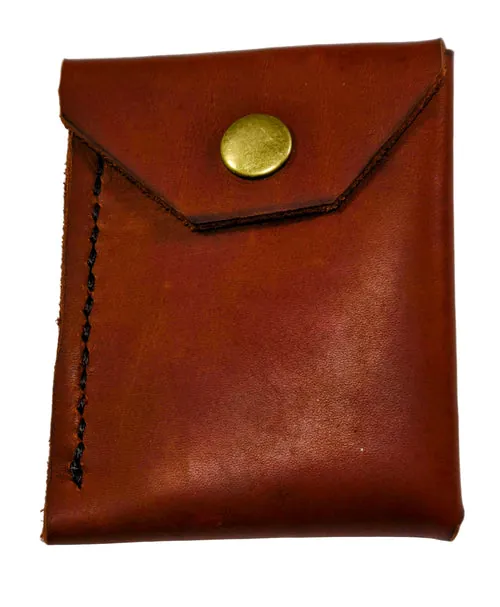
Here is the plain truth: no amount of rubbing, conditioning or waiting can make every leather surface develop a beautiful patina. Full-grain leather and lightly finished vegetable-tanned leather usually have the most room to change because their natural surface is still part of the finished piece. They can take on oils, light and handling without hiding behind a thick plastic-like coating.
That does not mean every other leather is bad. A more protected finish can be useful when easy cleanup or a very consistent color is the priority. It simply has a different relationship with time. Heavily coated or corrected surfaces may stay almost unchanged until the coating wears, and peeling or cracking is not patina. That is a finish failing.
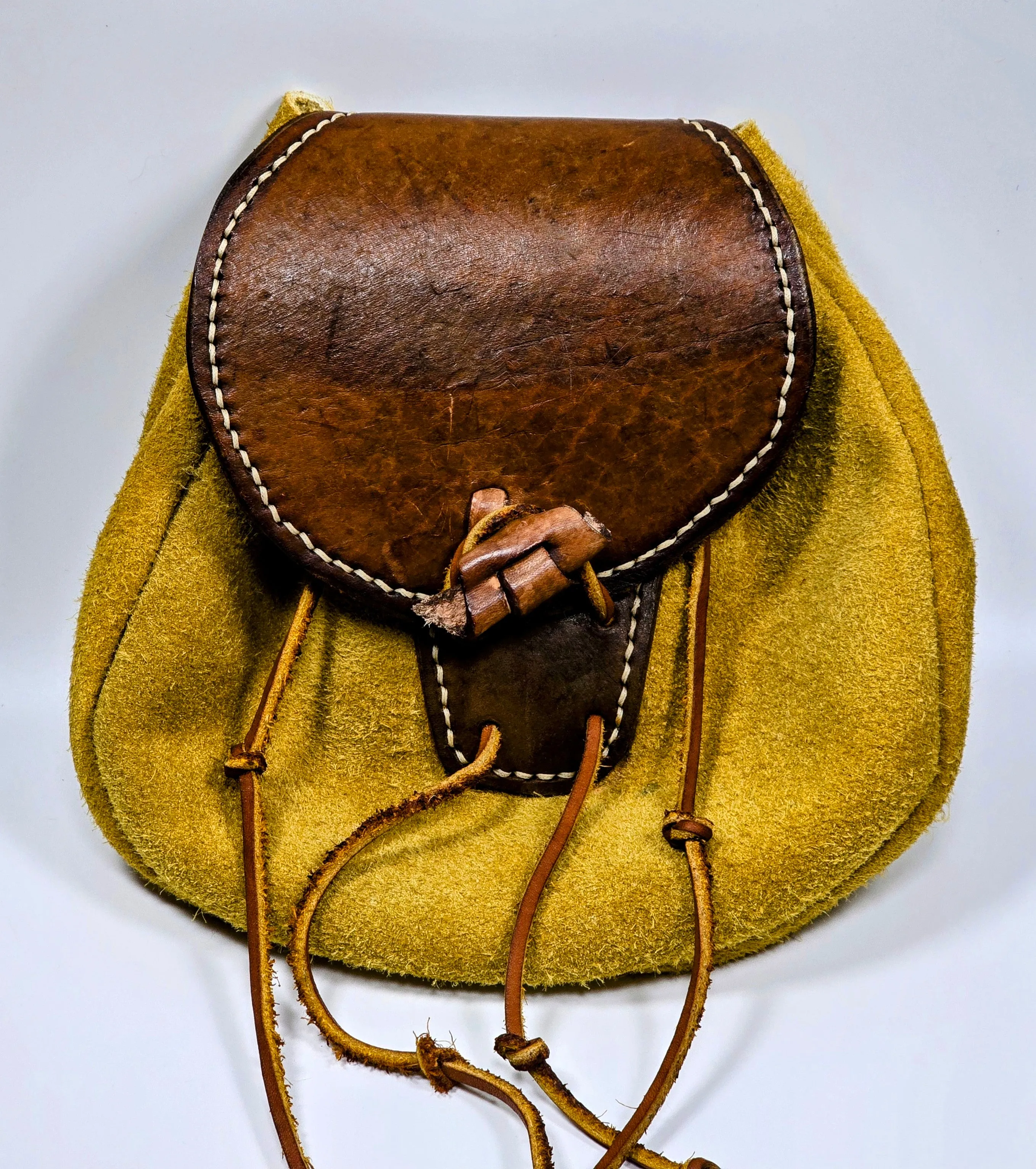
At my bench, I choose hides for both character and the job they need to do. The Highland Nomad is built from full-grain buffalo leather because a pouch needs to stand up to real carry while still gaining personality from the trail, the market or a long weekend away. A good hide does not need to look identical from edge to edge to be beautiful. Its variation is part of the appeal.
Five honest ways to encourage patina
1. Carry it, do not preserve it
The quickest route to real patina is regular use. Bring the tote to the market. Put the pouch on for a day out. Fill the journal and take it with you. A piece left in its box stays new, but it never becomes yours. Normal scuffs and softened edges are part of the contract with a well-made leather good.
2. Let your hands do the work
Your hands are part of the process. Daily handling brings warmth and natural oils to the places you touch most. Open the wallet, write in the journal, adjust the flap on your pouch. There is no need to scrub the leather with bare palms for an afternoon. Simple, frequent use is much better than a forced shortcut.
3. Allow gentle friction
Movement creates a low, natural polish at the folds, edges and closures. If a piece has a small dry scuff, a clean dry cloth can be enough to lightly buff the area and see how it settles. Leave aggressive rubbing, wire brushes and harsh household cleaners out of it. The goal is to let the grain speak, not to sand it flat.
4. Give sunlight a little respect
Light can warm or deepen the color of leather, but more sun is not automatically better. A brief spell of ordinary daylight from normal use is enough. Deliberately baking a new piece in a window for days can create uneven color and can leave the leather drier than it should be. The Canadian Conservation Institute specifically advises keeping leather away from prolonged direct sunlight and intense heat because both can contribute to discoloration and drying.
5. Condition lightly, only when it needs it
Conditioner supports leather that feels dry or stiff. It is not a shortcut to instant character. Too much product can make the surface overly dark, heavy or tacky, which hides the crisp, gradual change that makes patina satisfying. Check the leather every six months or so, then use your fingers and your eyes. If it still feels supple, it is probably happier left alone. Our leather conditioning guide walks through that routine in more detail.
What not to do when you want better patina
The temptation is understandable. You see a brand-new piece and want the depth of something that has been carried for years. But most fast fixes trade a little short-term drama for a less satisfying result later. Patina works because it builds in thin, uneven layers that reflect real use. When you force that process, the leather can end up blotchy, greasy or dry.
Avoid soaking a new item in oil or conditioner. Oil has its place on certain leathers, but it can alter color quickly and make a structured wallet, cover or pouch feel too soft. Avoid dark stains, dyes and shoe-polish experiments unless you are deliberately refinishing a piece and understand the finish you are creating. Those treatments change the color, but they do not create the depth that comes from honest handling.
Skip the sandpaper, hard brushes and “distress it” tricks, too. Scraping the surface can damage the grain rather than making it look traveled. The same goes for leaving a piece on a dashboard or in blazing direct sun. Leather is tough, but it is not invincible. Heat can pull out moisture and leave the fibers stiffer, which is the opposite of the supple feel most people are after.
If you want to help a fresh scuff blend in, start small. Brush away any grit with a soft cloth, then use the warmth of your hand or a light dry buff to see whether the mark settles. Often, it will. If it does not, give it time before adding a product. A piece that is used regularly has a way of bringing little marks into the larger pattern of its surface.
How to read the changes in your own leather
Think of patina as a conversation rather than a scorecard. A darkened corner tells you that the piece is handled there. A smoother flap says it has been opened and closed a thousand times. A light scratch may mark one particular trip, then become almost invisible as the leather around it deepens. None of that needs to be even to be beautiful.
The best check is practical: does the leather still feel comfortable, flexible and sound? Does the closure work cleanly? Are the stitches intact? If the answer is yes, a little variation is usually something to enjoy, not erase. If the leather feels brittle, carries a white residue, has mold, or shows deep cracks, stop trying to create patina and address the care issue first. The goal is a useful piece with a long life, not a costume version of age.
Patina is not the same as neglect
There is a useful line between a piece that looks lived-in and one that needs attention. A little darkening, a softened edge or a light scuff can be lovely. Caked-on dirt, mold, salt residue, deep cracking or a hard, brittle feel are not. If your leather picks up surface dirt, start with a clean, slightly damp cloth and let it air dry naturally. Skip the heater, hair dryer and direct blast of sun.
Keep moisture in perspective, too. A few raindrops during a real day out do not spell disaster. Blot the water, reshape the piece if needed, and let it dry at room temperature. For long-term care, the Canadian Conservation Institute notes that extremes of dryness, humidity and heat are harder on leather than patient, stable conditions. That is good advice for a family heirloom and for the everyday wallet in your back pocket.
Why I make leather goods that can change with you
When I am stitching a Mini Padfolio or finishing a leather journal cover, I am thinking beyond the day it leaves the bench. I build the structure, choose the hide and put in the hours, but the next part belongs to the person who carries it. Your routine finishes the story.
That is why I do not want the work to feel too precious to use. A good handmade item should invite a life, not sit out of the way of one. The Wayfarer’s Tote can collect the evidence of market mornings and road trips. A minimalist wallet can become familiar in your hand. The Highland Nomad can carry the small essentials that keep a day moving. With the right care, those marks become part of the piece rather than a reason to replace it.
If you are choosing your first piece with patina in mind, start with something you will honestly reach for often. Browse the full collection, choose the form that fits your day, and let it earn its character one outing at a time.
Frequently asked questions
What is leather patina?
Leather patina is the gradual change in color, sheen and surface character that develops through regular handling, light and everyday use. On the right leather, it makes the piece look more personal and more lived-in, not worn out.
How long does it take for leather to develop patina?
There is no fixed timeline. A wallet or belt pouch used every day may show darker contact points and a softer sheen within months, while a journal cover kept indoors may change more slowly. The leather, finish, climate and your routine all matter.
Can I speed up leather patina?
The safest way is simply to use the piece regularly. Handling, carrying and normal movement create an honest patina. Avoid soaking the leather, forcing it into prolonged sun or applying excessive oil, since those shortcuts can cause uneven color or dryness instead of a healthy surface.
Does every leather item develop patina?
No. Full-grain and lightly finished vegetable-tanned leathers tend to show change most clearly. Heavily coated, painted or synthetic surfaces may stay nearly unchanged until the finish begins to wear, which is not the same as a natural patina.
Keep reading
More from the journal.
What Is Vegetable-Tanned Leather? A Maker’s Guide
How plant tannins turn hides into durable leather, why it changes with use, and what that means for the pieces you carry.
Read the guide ↗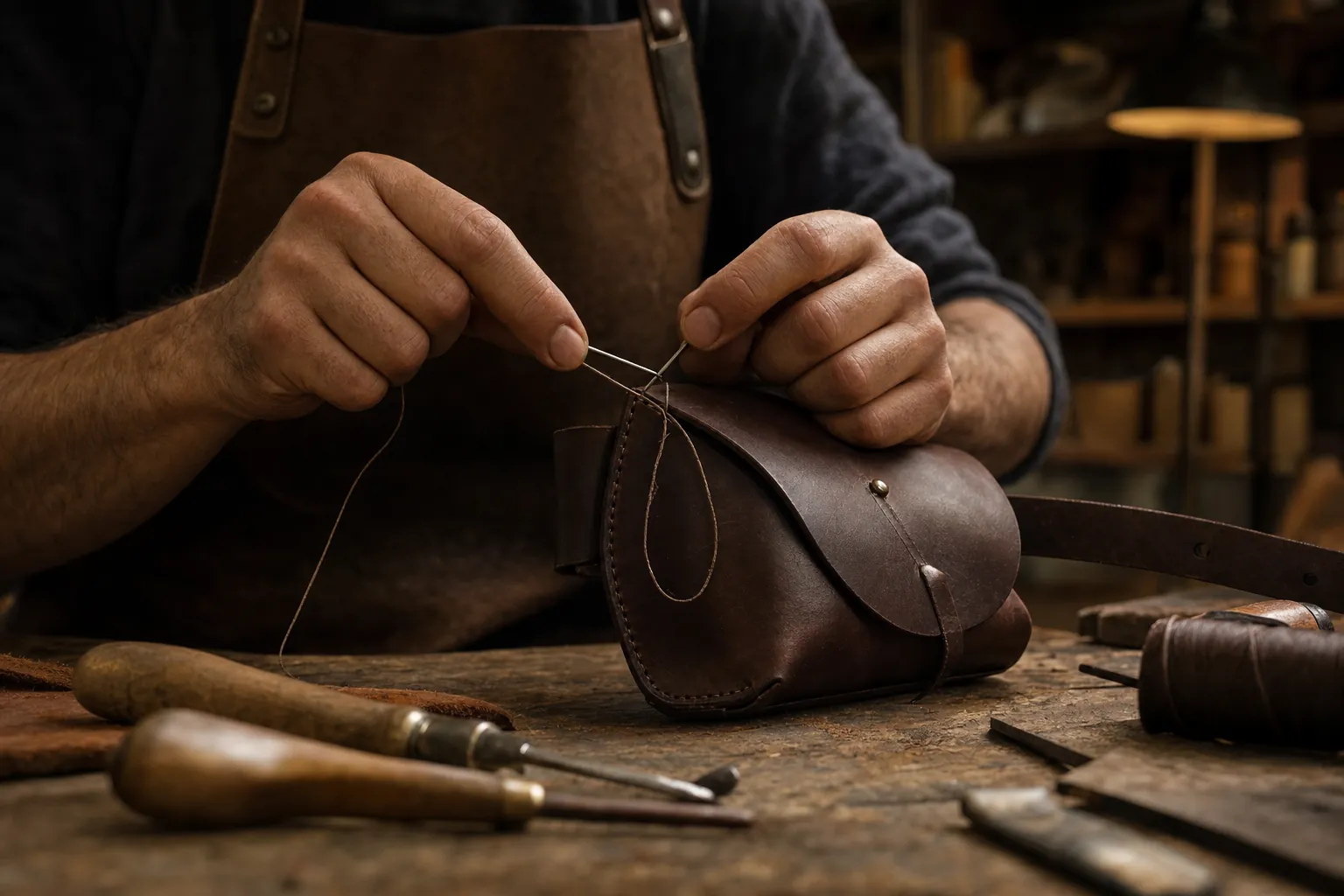
How to Condition Leather Without Overdoing It
A practical, maker-minded routine for keeping full-grain leather supple, clean and ready for the years ahead.
Read the guide ↗
Are Handmade Leather Goods Worth It?
What makes handmade leather goods worth the investment, from honest materials and hand stitching to useful design, repair and patina.
Read the guide ↗